Slovenian autumn smells of chestnuts and tastes of grapes
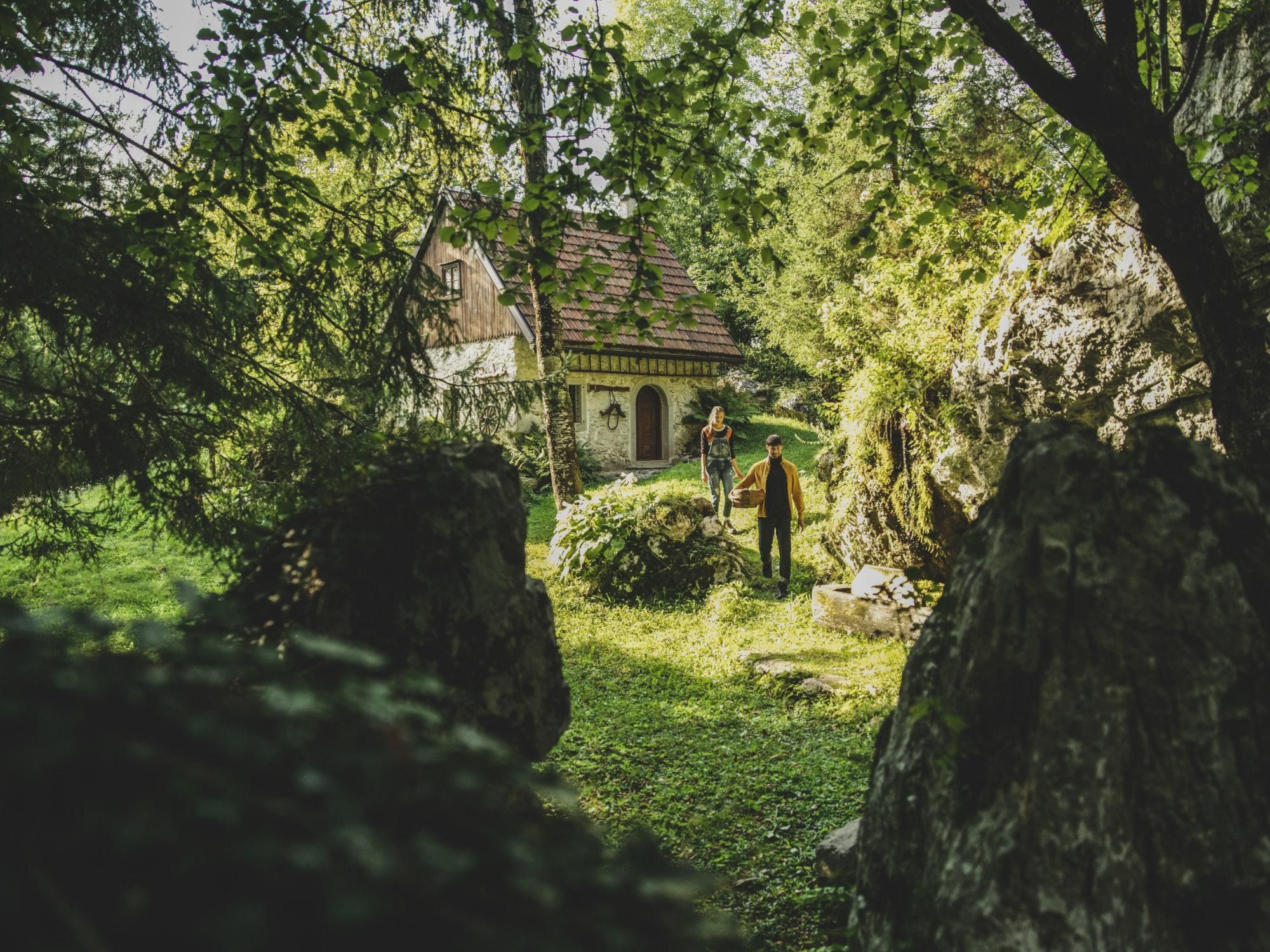
Autumn weekends invite us to the outdoors! They are perfect for taking a walk through the city streets, with a portion of warm, freshly roasted chestnuts in our hands. They call us to appreciate nature, to take a walk in the forest under the vibrant colours of the changing leaves, with walking sticks or a basket for picking chestnuts or mushrooms. They invite us to the courtyards and picnic areas, where we can enjoy must and young wine, and toast the passing of the year with mulled wine.
The changing nature and seasonal gastronomy are what fascinate us most in autumn, whether we cook ourselves or not, and whether we harvest our own produce or not, since this time of year the markets are brimming with local produce. There are pumpkins of all kinds, chestnuts and a variety of mushrooms to be snatched up.
Photo: Ciril Jazbec, Tent Film
Autumn is also celebrated by top chefs from the best restaurants around Slovenia, who enrich their menus with food and produce from their respective regions. Ana Roš likes to use persimmon fruits and the Goriška vrtnica radicchio variety, while Gregor Vračko uses wild berries and Jerusalem artichokes.
Not only top chefs, everyone in Slovenia follows the rich tradition of gathering to this day. It starts in the spring, with summer bringing out the real enthusiasm as fresh fruit ripens. Blueberries are the most popular at that time. And from an active summer, the year turns to the fruitful autumn, when mushrooms of all kinds become most desirable.
Springing up like mushrooms
Porcino mushrooms are the most famous and valued mushrooms that every enthusiastic gatherer wants in their basket and every gourmet on their plate. The Slovenian name, which translates to autumn bolete, reveals when one will be most likely to find them. In the autumn, of course! They can be prepared in the form of a traditional mushroom soup, used in risottos, with pasta, with meat, they can be pickled and so much more. But there are, of course, countless more edible mushrooms and even more mushroom dishes. Some of these can also be found on the plates of chef Ana Roš from Hiša Franko, the restaurant that was awarded two Michelin stars both in 2020 and 2021.
Photo: Ciril Jazbec, Tent Film
Chestnuts bring us together
This is not transcendental philosophy, but a fact. Gathering chestnuts while chatting with a friend inspires the spirit and invigorates the body. A romantic walk around the city with your significant other is made even better with a paper bag of hot roasted chestnuts to be enjoyed together. But most of the fun is to be had with friends at an autumn picnic, where chestnuts never really run out. There are many chestnut-themed events worth a visit: the Chestnut party on Žirovski vrh, the Chestnut festival in Vitovlje, the Chestnut picnic near Kranj …
At this time of year, many menus also include chestnut soup, chestnut puree, various chestnut sauces, and some excellent chestnut desserts. Chef Gregor Vračko, head of the kitchen at Hiša Denk, another Michelin-starred restaurant, particularly loves to use chestnuts in the autumn.
Photo: Darinka Mladenovič
October is the month of must
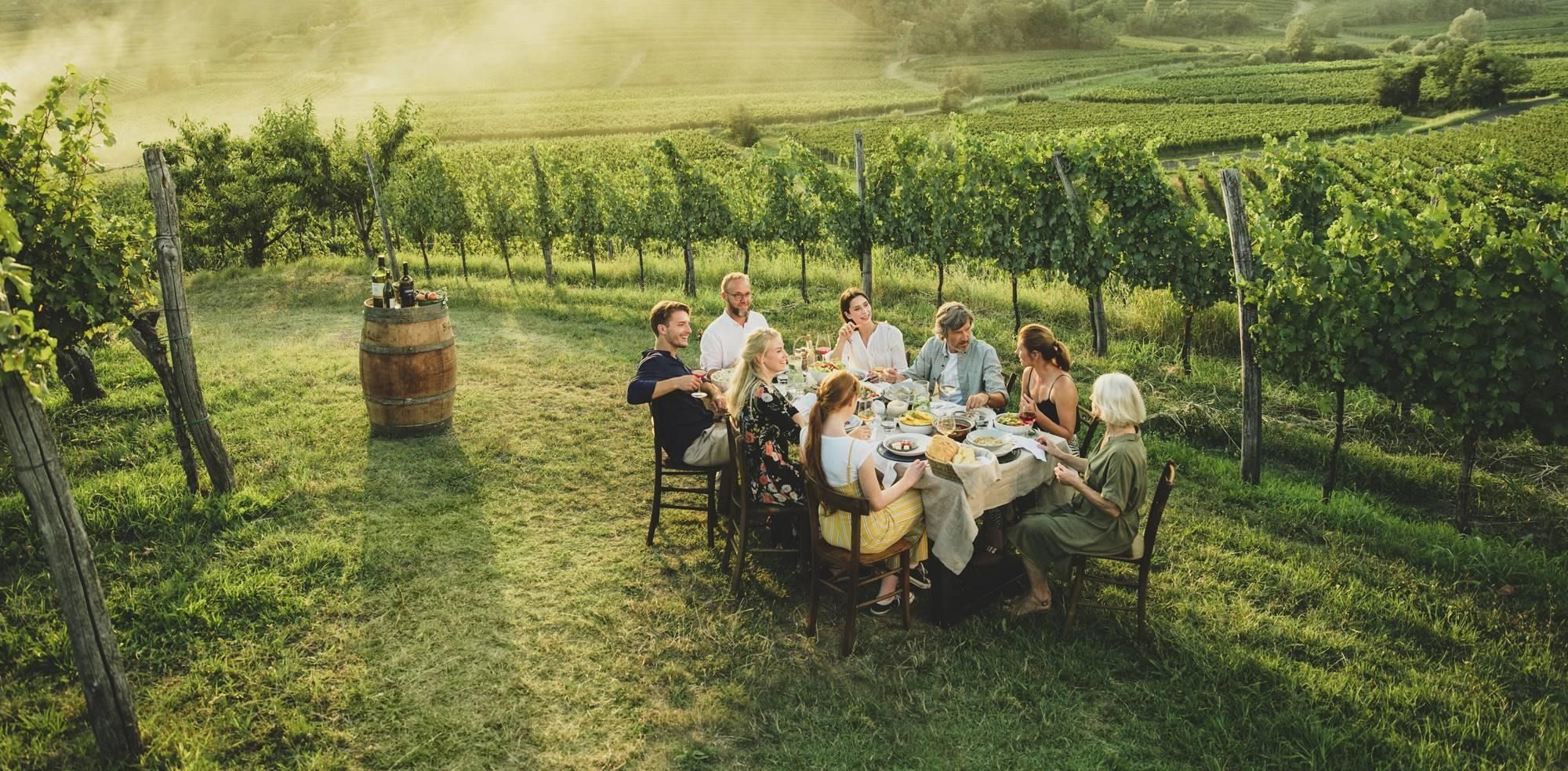
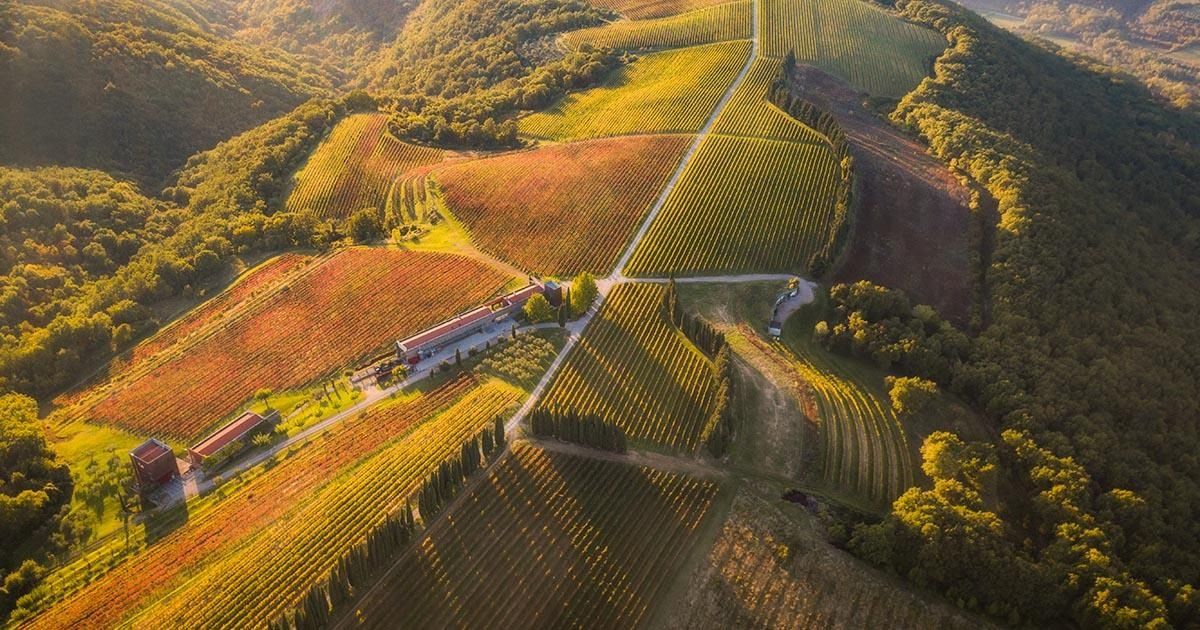
In wine-growing regions, autumn is closely connected with the last remaining tasks to be done in the vineyards, which begin with the wine harvest, the crown-jewel of viticultural work. Close and distant family, friends and neighbours gather together to pick the vines by hand, all the while chatting loudly, joking around and even singing. Over the next few weeks, the winemaker will often stay in the cellar, constantly tasting the fermenting grape juice called must while it’s bubbling and fermenting in the barrels. The sweet and sour must is a drink that belongs somewhere between grape juice and young wine and only exists for a few weeks throughout October.
Photo: Iztok Medja
Saint Martin makes wine from must
November 11 is the day when, according to tradition, must is fully fermented and turns into wine. Young wine, to be more precise. St. Martin’s Day is a well-established tradition in Slovenia and a very popular folk holiday among many people, so it is celebrated without inhibitions for both weekends, before and after 11 November. Celebrations vary by region, but may include the baptism of wine, blessing of young wine, the condemnation of must, and/or recreational hikes with culinary elements.
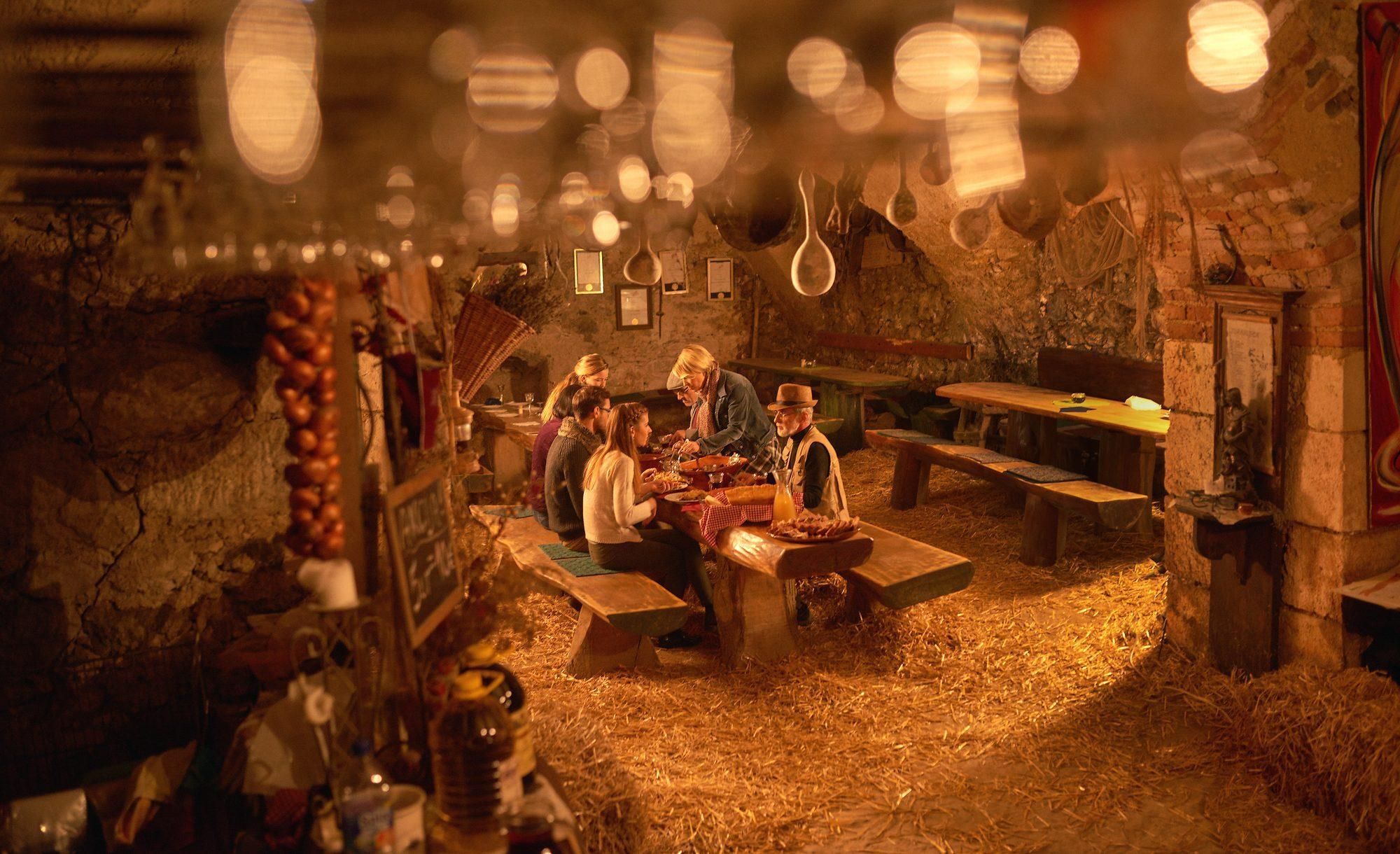
Photo: Iztok Medja
From pumpkin to olive
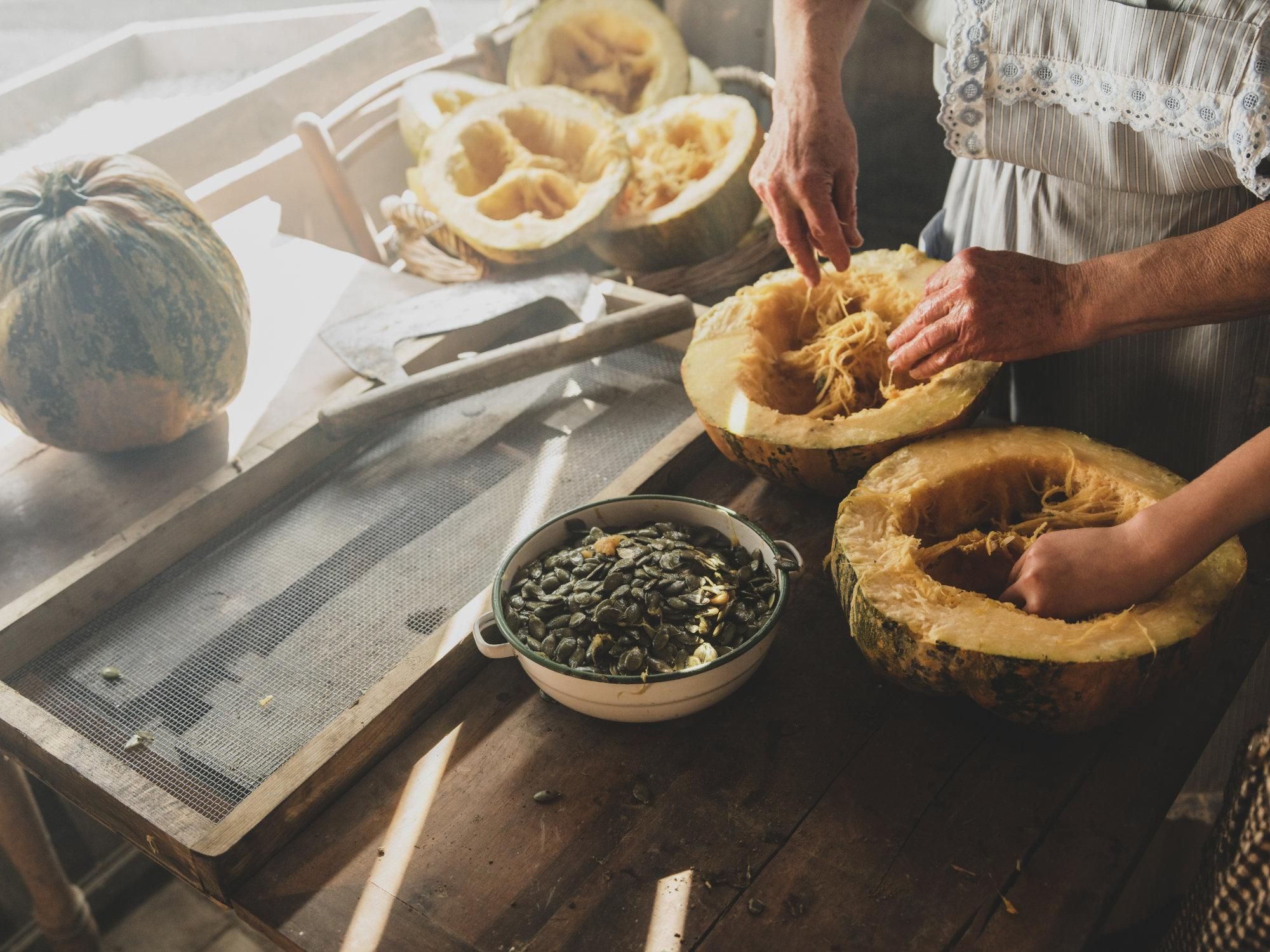
Other fruits of autumn also have their celebrations, such as the Kozjansko Apple Festival and the Persimmon Festival in Strunjan. The most common in Styria, however, are various pumpkin festivals called bučarije or bučijade – events dedicated to pumpkins. From the seeds of the largest, orange pumpkins, they produce a dark green oil, called Štajersko Prekmursko bučno olje with the designation of Protected Geographical Indication.
Photo: Ciril Jazbec, Tent Film
Oil is also produced at the opposite end of Slovenia, but there they use olives, indigenous Istrian white olives called istrske belice as well as other varieties. The Slovenian Littoral region is considered to be one of the northernmost areas where olives still thrive, with the harvest being highly dependent on the weather, so every year it may be at a different time. However, it usually starts in late October. The excellent Istrian olive oil is known for its exceptionally spicy taste.
Photo: STO
When it smells of cinnamon
Towards the end of November, the season of dried fruit and mulled wine begins. The slices of dried fruit are a natural source of energy as well as a healthy and tasty dessert, while a warm cup of mulled wine enriched with cinnamon, cloves, sometimes even anise, vanilla, lemon peel and more, warms our fingers and lifts our spirits during the coldest parts of the year. And how could we not indulge in it, when mulled wine accompanies almost all December celebrations, most of which are held outside on city streets in the glow of Christmas lights and decorations that we enjoy in the company of friends and family, embraced by the smell of cinnamon and anticipation of the New Year.