Sourdough, Slovenian-style
Once indispensable in our great-grandmothers’ kitchens, today served on the tables of top restaurants.
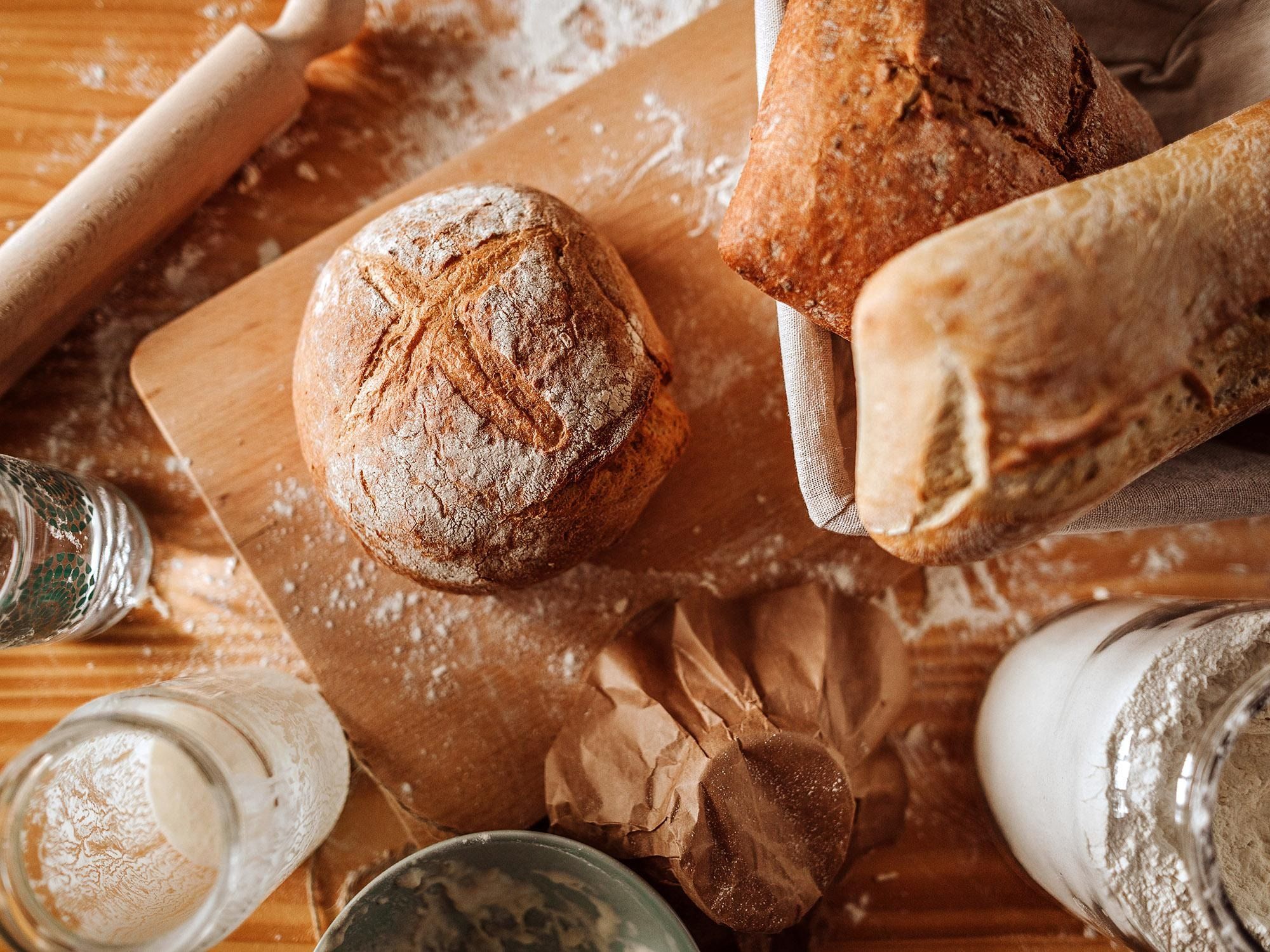
The passion for making bread only from flour and water, leavening it with naturally occurring colonies of microorganisms, has been bubbling for a while, but in the last couple of years, it has risen to unimaginable heights. There are photos, videos, and entire blogs dedicated to sourdough bread. But its story actually begins thousands of years ago.
Leaven, sourdough, starter or wild yeast?
Bread is said to be one of the first cooked foods. The oldest remains of bread so far have been found in Jordan, and are more than 11,000 years old. Since then and until the emergence of so-called industrial yeast in the second half of the 19th century, leavened bread was baked using the simplest and most natural method. Flour was mixed with water, and in just a couple of days, it became alive with colonies of wild yeasts and lactic acid bacteria. Part of this dough – a natural raising agent – was used right away, and the rest was stored in the cold, or dried, to be used the next time bread was baked. This fermented mixture of flour and water that makes the dough rise was called leaven, sourdough, starter or wild yeast.
Sometimes, dried or fresh fruit, must in wine-growing areas, or beer in beer-brewing regions, were also used in the sourdough-making process. The truth is that every baker has his or her own way of starting the sourdough, and not so long ago, as many grandmothers can attest, it was an essential ingredient in every kitchen.
Is sourdough bread healthier?
For thousands of years, our ancestors used sourdough to make bread, and today we are becoming more and more aware of its benefits. Sourdough bread rises more slowly, but more efficiently. Thanks to the interactions between lactic acid bacteria and yeasts that are naturally present in the flour, our bodies can absorb the nutrients and minerals better. Sourdough bread does not feel heavy in your stomach, and does not cause bloating, a fact that is especially appreciated by people with sensitive digestive systems. Sourdough bread has a longer shelf life, does not crumble, and has a lower glycemic index.
Sourdough starter contains more types of yeasts and lactic acid bacteria than store-bought yeast. This makes the leavening process more complex and less predictable, resulting in a richer spectrum of flavours.
In Slovenia, modern sourdough baking was first made popular by Anita Šumer, who started exploring the world of these microorganisms about a decade ago. Her husband’s health problems, which prevented him from eating bread made with commercial yeast, led Anita to a whole new world of sourdough. She wrote a cookbook called Drožomanija, or Sourdough-mania, and organised many workshops. Since then, sourdough-mania has spread to a large audience. Her sourdough starter, nick-named Rudl, was also included in the first sourdough library that was opened in Belgium.
Photo: Jezeršek archive
Chef Ana Roš and her master baker Nataša Đurić
In the last couple of years, sourdough has even entered the kitchens of the best restaurants. Rarely does a restaurant receive two Michelin stars during its first inspection, but that’s exactly what Hiša Franko achieved in 2020. It is led by Ana Roš, one of the best chefs in the world, who leaves nothing to chance. Not even bread. As a matter of fact, she pays special attention to it. Her master baker, Nataša Đurić, takes care of the bread and all the other dough-based dishes. She also ferments their butter. Before she came to Hiša Franko, Nataša taught at workshops, spoke at lectures, and wrote the first book on sourdough in Slovenia, called Kruh z drožmi.
One course of the Hiša Franko menu is dedicated to bread, and chef Ana is very enamoured with the idea that bread - regardless of everything else - is what brings an element of warmth and nostalgia, of welcome, of connection and sharing. Bread and butter always have their own story to tell, and are not just side characters for other dishes.
Nataša Đurić
Hay-infused bread
Just as the dishes on the menu change with the seasons, so Nataša changes the flavour of her breads. There was spelt-flour-and-whey bread, bread with caramelised red onion, and even bread with hay infusion. The latter was served with butter infused with beeswax and honey, a combination designed to invoke the image of a summer afternoon nap in a meadow full of sweet-smelling flowers. When time allows her, Nataša likes to put on her white gloves and personally present her bread and butter to the guests.
When she started at Hiša Franko, she also worked with old sourdough recipes, typical for the Kobarid region: “Chef Ana wanted to create bread based on the traditional recipes from this area, which use apple peel fermentation.” Now she makes her sourdough only with flour and water, as this creates a slightly more distinct flavour.
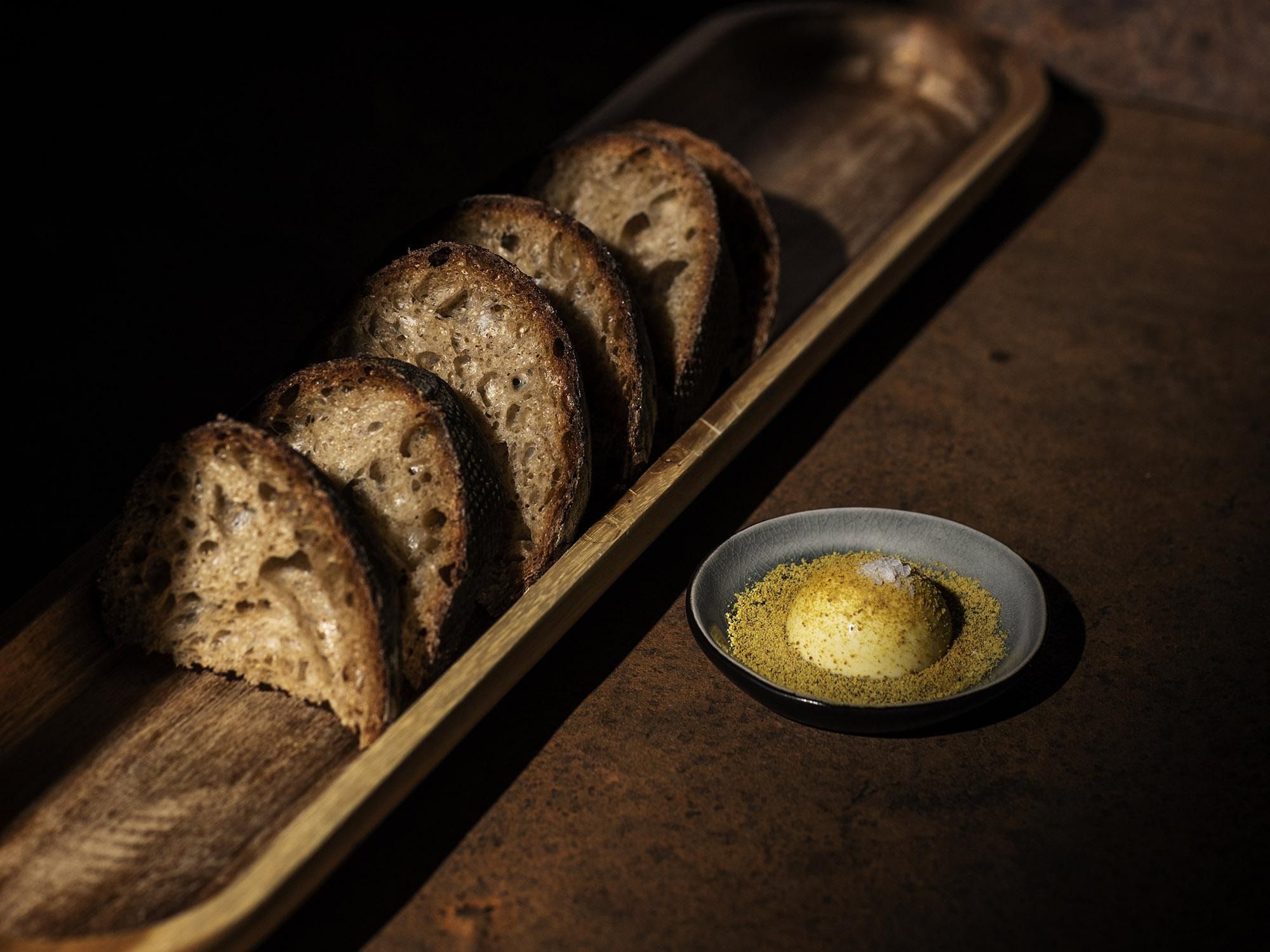
Photo: Suzan Gabrijan, Hiša Franko
Chef Marko Pavičnik from the Pavus restaurant also grows his own sourdough starter
In 2020, many people started growing their own sourdough cultures, as confirmed by chef Marko Pavičnik from the Pavus restaurant at the Tabor castle in Laško: “I had wanted to make sourdough bread for a long time, but somehow I just could not face this challenge. Corona was the perfect time for this adventure. We started creating our sourdough bread during the first lockdown in the spring, and now I can no longer imagine my life without it. The response from our guests has been amazing.”
Self-taught chef Marko makes his sourdough starter only with flour, mostly rye flour, and usually uses it to make white or wholegrain spelt bread. He also likes to develop new recipes using only local flour, for example his 100% cornflour gluten-free bread.
Photo: Pavus archive
Sourdough at Jezeršek House of Culinary Arts
Interestingly enough, the sourdough story at Jezeršek catering started a few years ago with a sourdough baking workshop in collaboration with Nataša Đurić, who we already mentioned. Today they continue to write and develop their own story. Their Jezeršek Academy offers a baking workshop: The Secrets of Making Sourdough with Erik Bačar. With Erik, a sourdough enthusiast, they also created a unique story for the Union Pub at the Union Brewery, called “Breaking Bread”. The base of these pies with a twist is, of course, made from sourdough. And because we’re at a brewery, the dough is made from basic beer ingredients – barley malt, wild yeasts – and IPA beer, and is fermented for at least 24 hours before baking.
Photo: Jezeršek archive
Top chefs domesticating wild yeast
Other culinary masters also swear by sourdough microorganisms. One of them is chef Jakob Pintar. At his restaurant, TaBar, in the Ljubljana old town, only sourdough bread is served, even though they do not bake it in house. Instead, TaBar collaborates with the excellent Osem bakery that makes several kinds of sourdough bread for them.
Richness in simplicity
Top chefs and foodies have joined the wave of people who have discovered our great-grandparents’ methods during the Corona year, proudly publishing photos and videos of their bread masterpieces. Everybody got caught up into the exploration of our roots and traditional baking methods. Sourdough enthusiasts are dedicated to growing these microorganisms, and passionate about everything to do with bread, from types of flour and milling methods to all kinds of add-ins. And the results are incredible. We can only marvel at the variety and complexity of flavours that can be found in such a simple thing as bread.