Pedrovo, a ghost village attracting guests from all over the world with its food
Mediterranean & Karst Slovenia
Toncevi Organic Farm Stay and Čilčevi Homestead
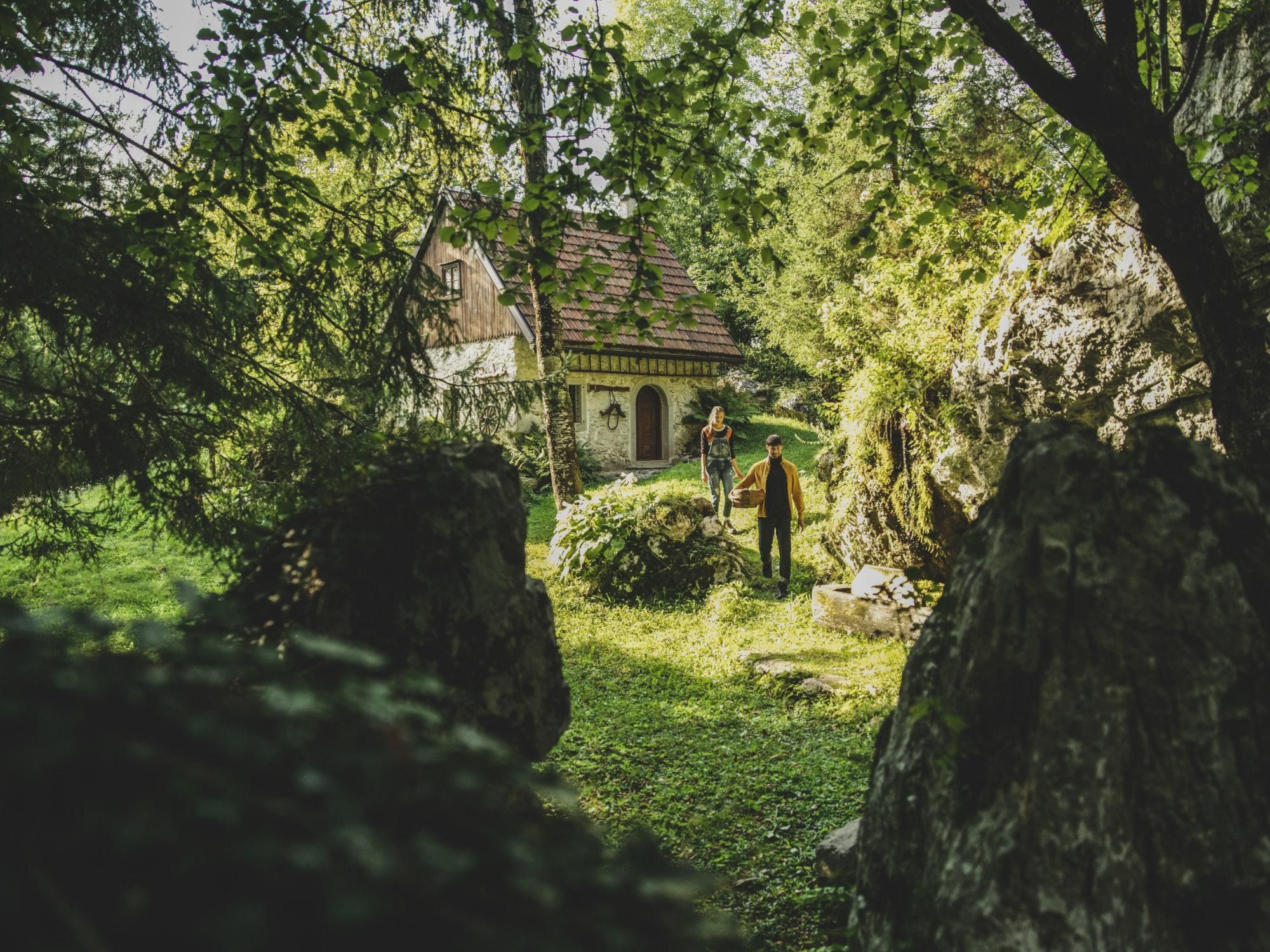
It is not very likely that a person would come to Pedrovo by accident. This little village above the Branica Valley, not far from the imposing Rihemberk Castle, seems forgotten by time. It can only be reached by a winding, no-through road, which elicits complaints from everyone, even those who visit this village at the Karst Edge on purpose.
The settlement was first mentioned in the 13th century as the von Riffenberch family’s estate. In the past, it was famous for its beautiful chestnut plantation.
At the beginning of the 20th century, this little village, perched 365 metres above sea level and surrounded by land that was difficult to cultivate, was still home to 110 inhabitants. Everything changed with the arrival of the tractor in 1952.
Farmers in Pedrovo could no longer compete with this and they had no other choice than to leave the village. The majority went to Istria where they took up winegrowing. The last farmers left Pedrovo in 1976. They left behind only empty stone houses and overgrown terraced vineyards. The village became a ghost village.
At one point, only two inhabitants persevered. Now, with increasing urbanisation and the pace of life that often seems too fast and unmanageable, places like Pedrovo – forgotten and frozen in time – are becoming more and more appealing.
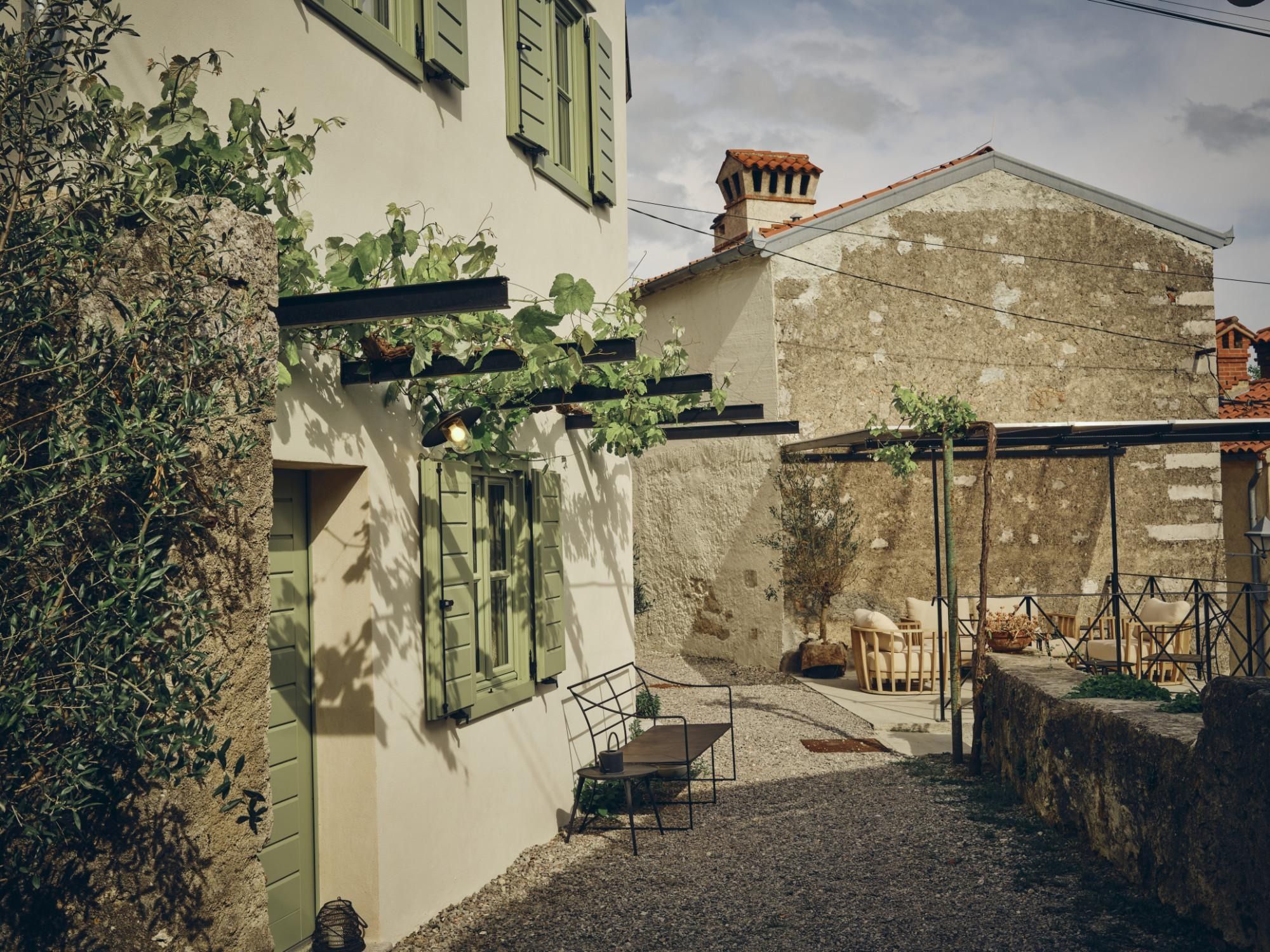
Thus, in 1992, people began to settle in the village again, which was still well preserved. The houses were at first only used as holiday homes. Today, the village has 18 inhabitants living in 20 houses in the vicinity of the Church of the Holy Spirit built in the 16th century. Only six well-renovated houses are permanently lived in.
Although life is not easy in Pedrovo – there is still no water distribution system in the village, so every house has its own well, and the winters are harsher and longer than in the valley – two local businesses persist. They have built two extraordinary stories that bring people from all over the world to this village.
Photo: Suzan Gabrijan
Spouses Alenka and Mark Smerajc discovered years ago that even slightly disadvantaged places on the border between the Karst and the Vipava Valley have their charm. At first, they used Mark’s grandmother’s old house in Pedrovo as a holiday home, in 2005 they moved there permanently.
In 2010, they opened the Toncevi Organic Farm Stay, keeping the old homestead name. They provided rural accommodation in three apartments. In 2014, they added a restaurant to the homestead, since their guests had always been asking where they could get something to eat in the area.
They say that they never had trouble attracting guests. “Italians sniff it out. They were here the second day after opening, when we didn’t even have a sign yet,” remembers Alenka.
The couple were truly breaking new ground, since Pedrovo had never had a restaurant before. Theirs is still the only one.
Photo: Suzan Gabrijan
Photo: Suzan Gabrijan
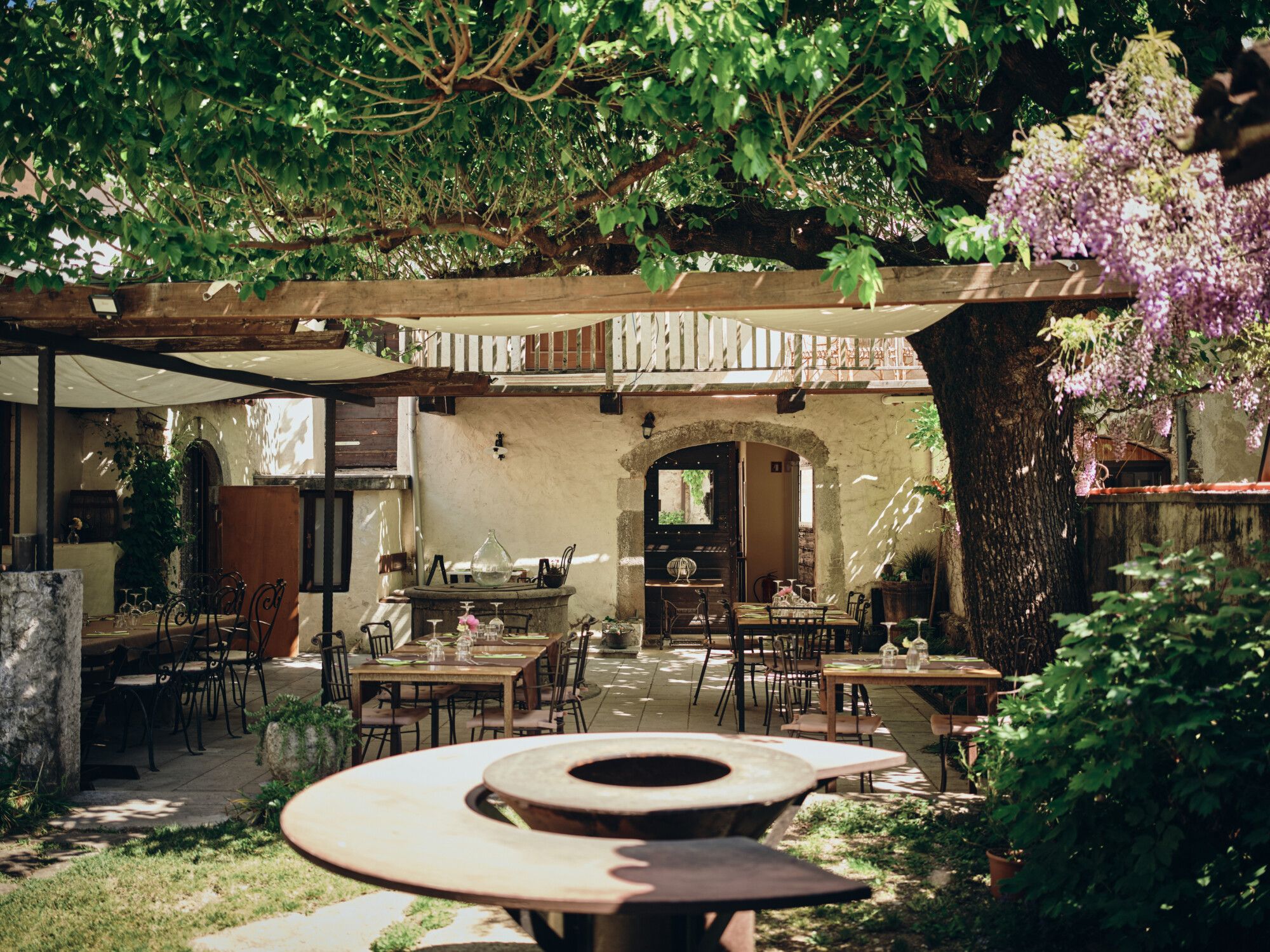
“Come va? (How are you?),” Mark welcomes two Italian motorcyclists taking a seat at the table under the large mulberry tree beside the old house with lovely wooden balconies from 1856, in which Mark’s grandmother was born. The stone-paved courtyard, where their guests sit on nice sunny days, seems like it stayed frozen in that time, with the stone arch entrance, flowers in rusted iron pots, a well in the middle and a flowering Wisteria climbing the fence.
On the other side, in the half-covered dining area, is the old black kitchen, where they still cook dishes in a coal bed.
Nobody is more enthusiastic about it than foreign guests who flock to the Vipava Valley and the Karst in summer months.
“They are easy to please. Whatever you put in front of them, they are happy. They are enthusiastic about everything – except the road leading to us,” says Alenka with a laugh. “I was actually surprised at such praise at first. Pasta, cold cuts – this is something quite normal and ordinary for us. But people coming from cities are probably more used to eating pre-prepared, plastic-wrapped food, so this is a real revelation to them, as well as the fact that here, everyone has their own garden.”
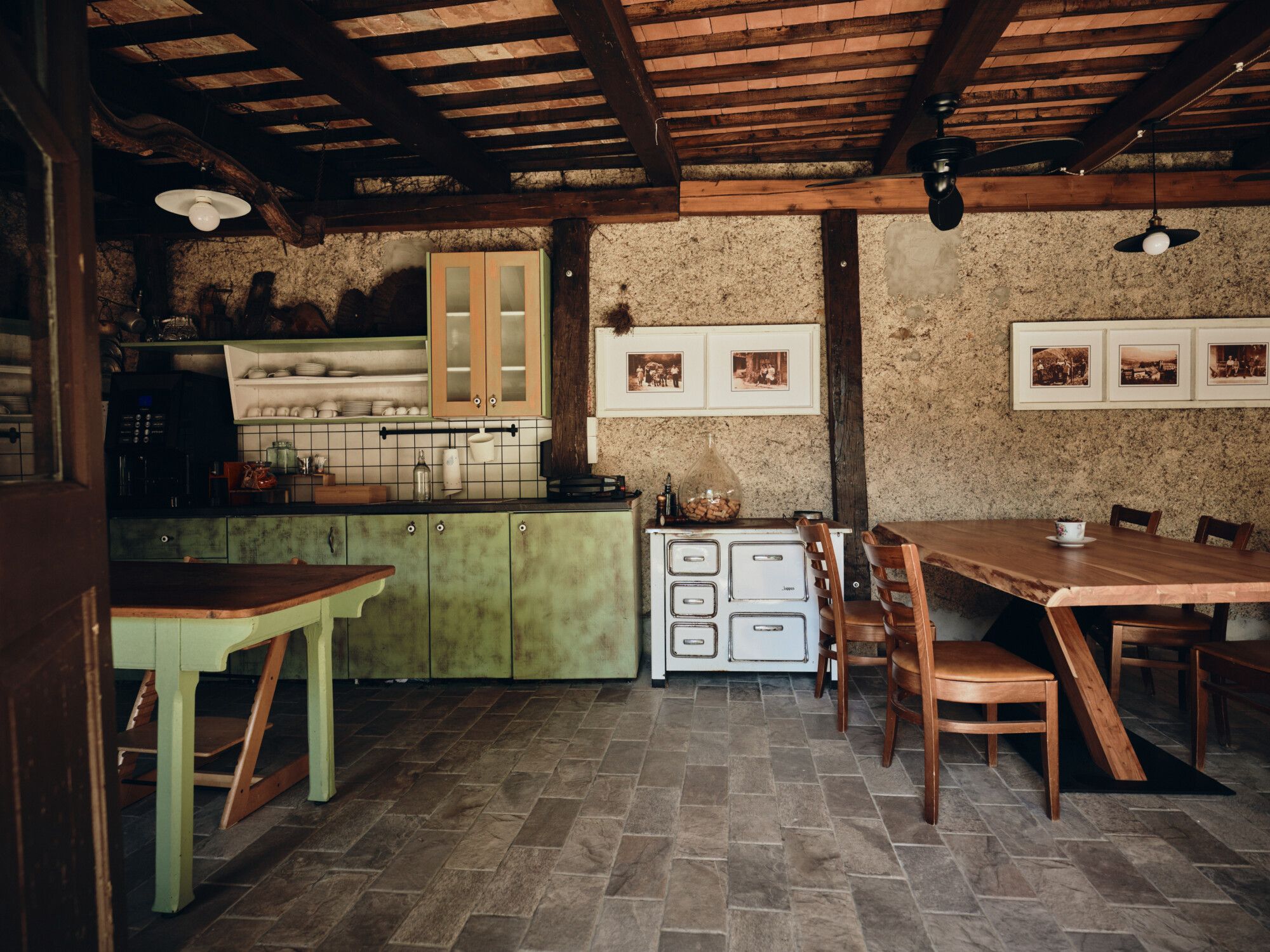
Photo: Suzan Gabrijan
At Toncevi, they make almost everything themselves, from cold cuts to bread. They also have a few goats. Whatever they lack, they buy from neighbours, they proudly inform us, as they put in front of us a giant plate of cheese and cold meats – homemade pancetta, prosciutto, cured pork neck and bresaola. “Ma, che roba, Mamma mia! (Look at that! Oh, my!),” exclaims the Italian motorcyclist ecstatically when he sees the plate of cold cuts, before turning his attention back to his glass of wine.
The kitchen is Mark’s domain. He has been working in hospitality for 33 years. His son helps him and his two teenage daughters also help with the business.
At Toncevi, they have understood from the start that the less you complicate the dishes and more you keep to the tradition, the more satisfied the guests are.
The menu, which is always changing to reflect the season, includes beef broth, homemade gnocchi with asparagus, delicious kid goat ragout, jota (sauerkraut and bean soup), ribs, sautéed potatoes with onions, homemade sausage, grilled roast beef, pork tenderloin with roasted potatoes and homemade ravioli with goat whey cheese and goat prosciutto sautéed in butter. Hearty farm dishes that satisfy your hunger
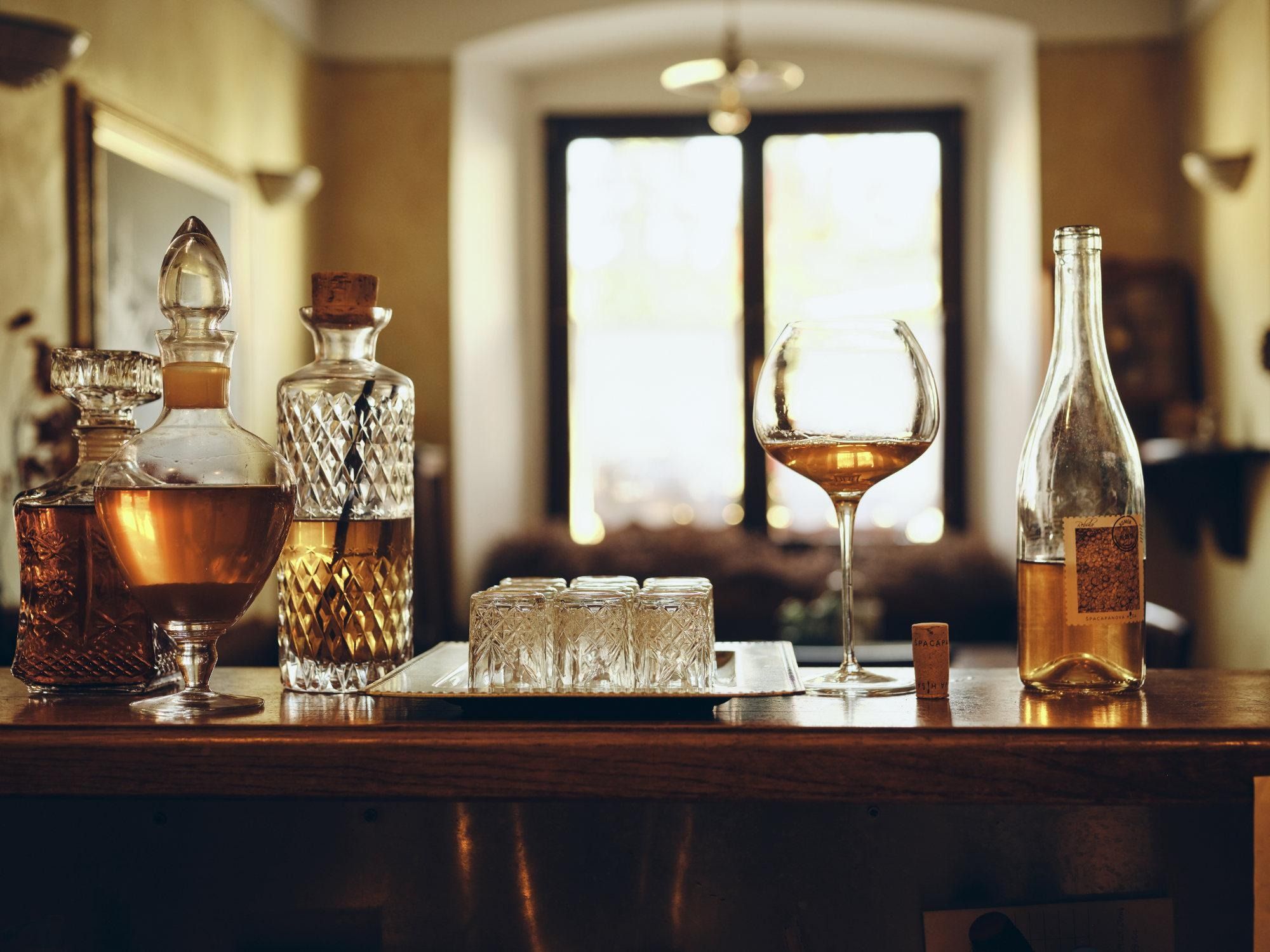
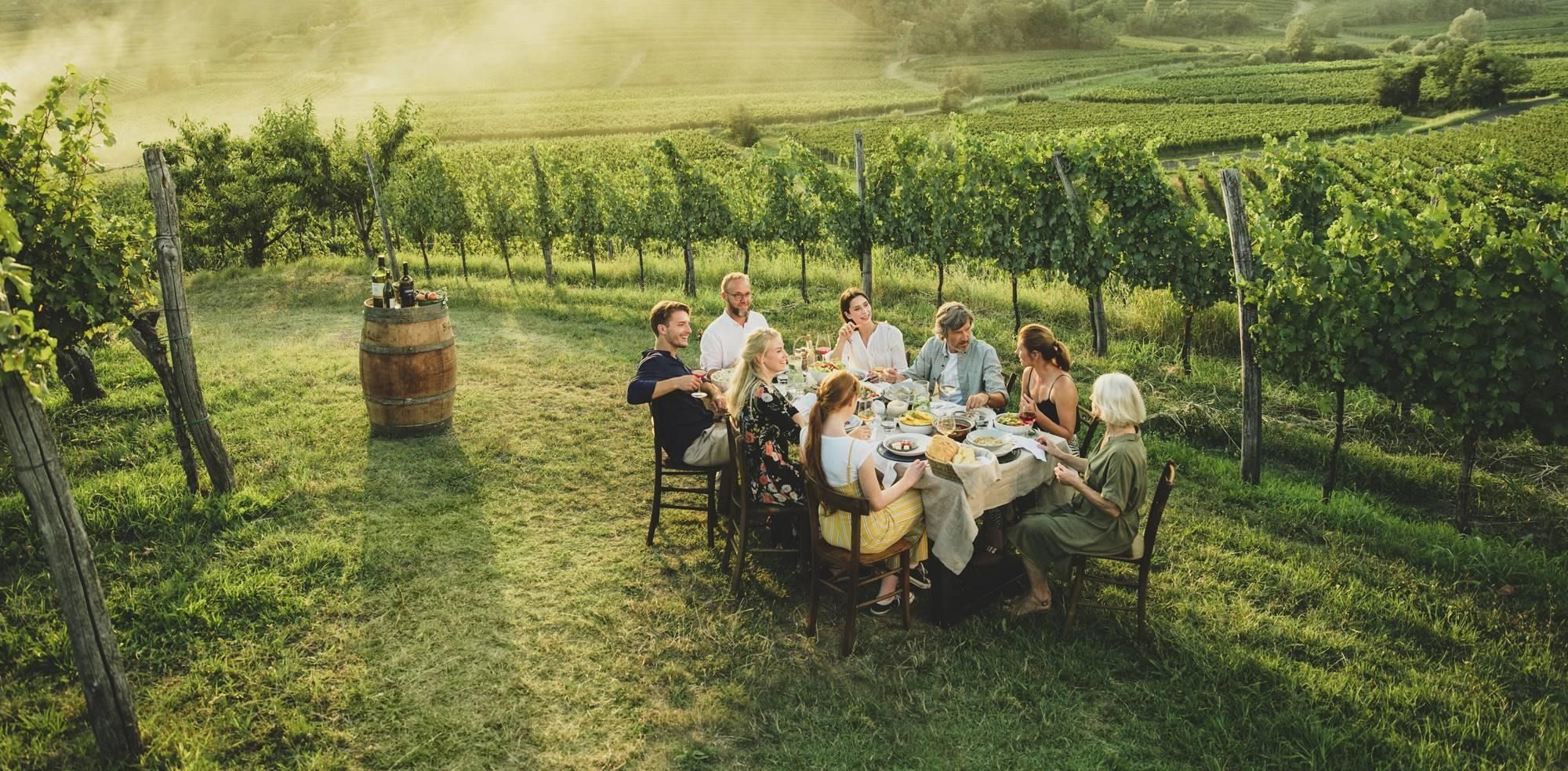
Their love of simplicity also extends to wine – they will put on the table a nice wicker-wrapped bottle of white Malvasia or red Teran. They mostly serve local open wines, although some proper bottles from the local winemakers will be found for more selective wine drinkers.
Photo: Suzan Gabrijan
Photo: Suzan Gabrijan
The Čilčevi Homestead, exquisite goat cheese and enchanting view
Literally one road bend away, not more than a minute on foot, is the second village attraction – the Čilčevi Homestead, an organic farm and a cheese dairy run by Borut Kokalj and Tom Ločniškar, another pair who found their little paradise in this tranquil, idyllic village. In the last few years, they turned from amateur cheesemakers into the producers of high-quality goat and sheep cheese, among the best in Slovenia, to whom trainees and volunteers from all over the world come to learn.
At first, they kept goats and sheep only as a hobby. “We started with an overgrown plot, two sheep and two goats, which grew into 15 animals, then into 30 animals,” Borut, who works as a biologist in Škocjan Caves, remembers with a smile. “At that point we realised we had to do something.”
Tom left his job and the pair went on a hunt for a new, larger piece of land, where they could build their story. “In the Karst, the prices were high, here at the Karst Edge, they were still lower then. When we found this plot, we were immediately hooked by the view, the quiet and the atmosphere,” they say.
Their cheese dairy officially became a professional one in 2019. Just as they opened, the lockdown started. Still, the timing proved to be perfect, as they got a lot of local customers.
Today, they have 150 sheep and goats of indigenous breeds, which are the most suitable for the extensive organic pasture – the Karst sheep, also known as Istrian pramenka, and the Drežnica goat. These breeds are becoming increasingly popular, although they are still endangered.
Photo: Suzan Gabrijan
The sheep and goats at the Čilčevi stay on the pasture 24/7 and are also milked there. Borut takes us from Pedrovo up to the top of the 518-metre-high Šumek, where he and Tom have three sets of pastures and a movable milking station with a great view of the Kanin mountain range. Terroir is just as important for dairy products as for wines. The taste of milk, and consequently cheese, depends on the breed, the pasture – what grows there and what the animals eat – microorganisms and, finally, the cheesemaker.
On the fragrant slopes, hardy goats mingle with woolly sheep and curious cows. Young animals hiding under their mothers, while the wild Drežnica goats jump on small trees, brush their horns on branches and occasionally butt heads.
“They are quite violent, sometimes they break a leg. They are hierarchical and when one of them gets weak, they fight for dominance,” Borut explains the life of his animals
At the peak season, they get up to 120 litres of milk per day, from which they produce 12 kilograms of cheese. This is the optimum quantity for them to still be able to devote themselves to cheese making, ensuring that each cheese has its own character, and to maintain contact with customers.
Photo: Suzan Gabrijan
Photo: Suzan Gabrijan
They use pasteurised milk only for white cheese, all other cheeses are made exclusively from raw milk. They experiment a lot, but swear by elegant products with which they try to convince also those who are prejudiced against goat cheese and yoghurt.
Today, they make roughly twenty different dairy products from goat, sheep or mixed milk – ricotta, curd, yoghurt, labneh, etc. Their lactic cheeses from soured milk with chilli, garlic, fenugreek or pepper are delicious. Mouldy cheeses and mature cheeses matured for 2.5 to 6 months are also popular.
Although you can buy the Čilčevi cheeses in certain markets or order them in some of the best restaurants, Borut and Tom sell most of their products on site.
Truthfully, it is difficult to imagine anything more idyllic than sitting in the courtyard of this small farm, under the violet wisteria flowers, with a view of the enchanting Rihemberk Castle and Vipava hills, watching Borut while he fills a wooden board with delicious cheeses and old ceramic pots with homemade jams made of fruit grown in nearby orchards. Apricots, apples and mint, squash with rosemary, elderberry… When cheese tasting, guests will also get a glass of wine and something that is becoming even more precious – complete serenity.
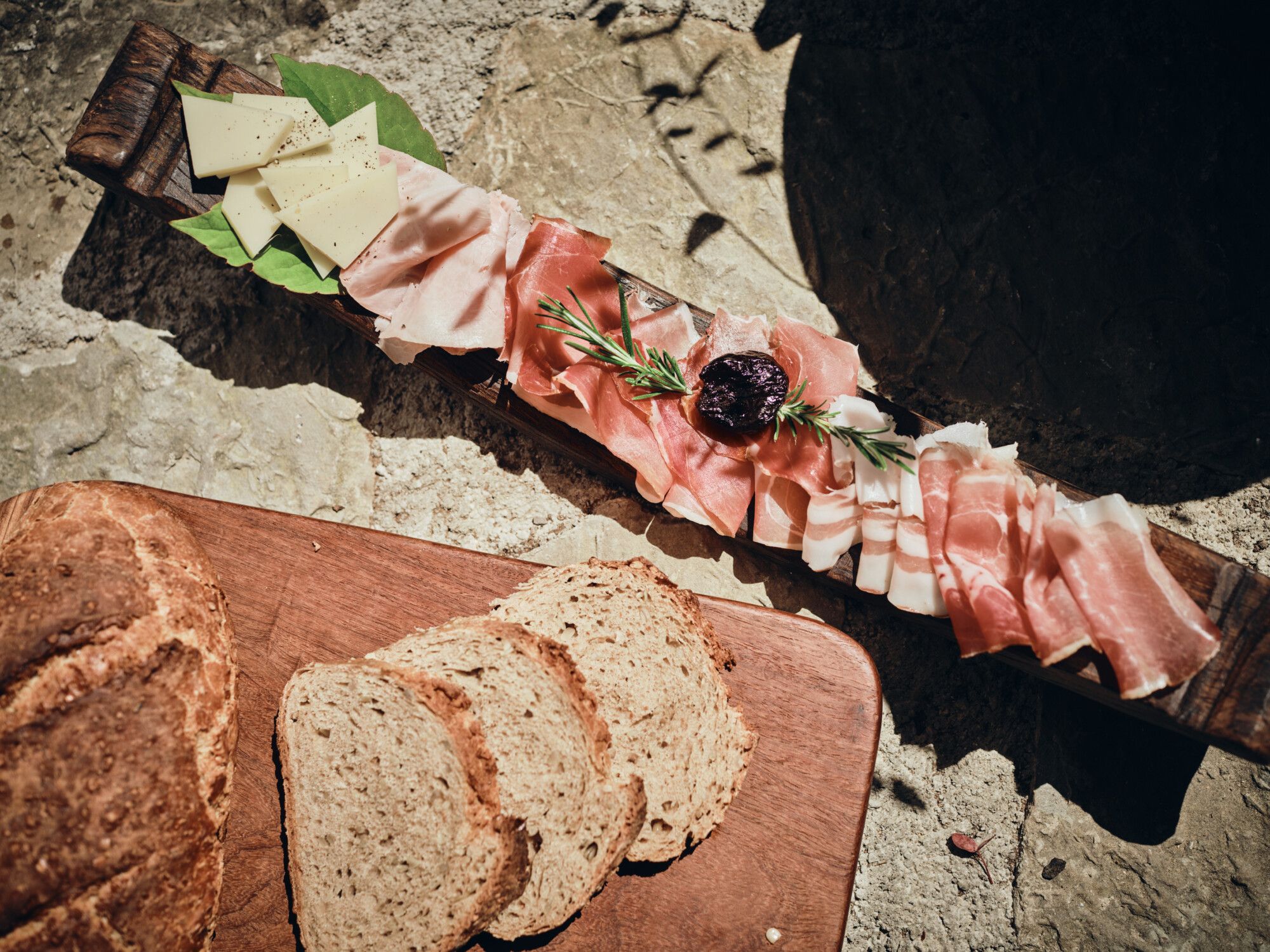
Photo: Suzan Gabrijan
As Metka Abram, a veteran gallerist, who together with her husband Dragan lets the Ares House and runs a local branch of the Artes Gallery, says later: “Our superior standard are peace and quiet.”
Abrams have been gallerist for 40 years. They moved to Pedrovo from Nova Gorica, where their main Artes Gallery is located, in 2006, seeking tranquillity. Art remains their focus. They host art colonies in Pedrovo and their vast estate is full of modern artworks and installations organically melding with the green surroundings.
Photo: Suzan Gabrijan
The wooden platform under the old apple tree is where more spiritual guests retreat to practice yoga and meditate, and those who are into more earthly joys, go to enjoy a bottle of local wine and a great view.
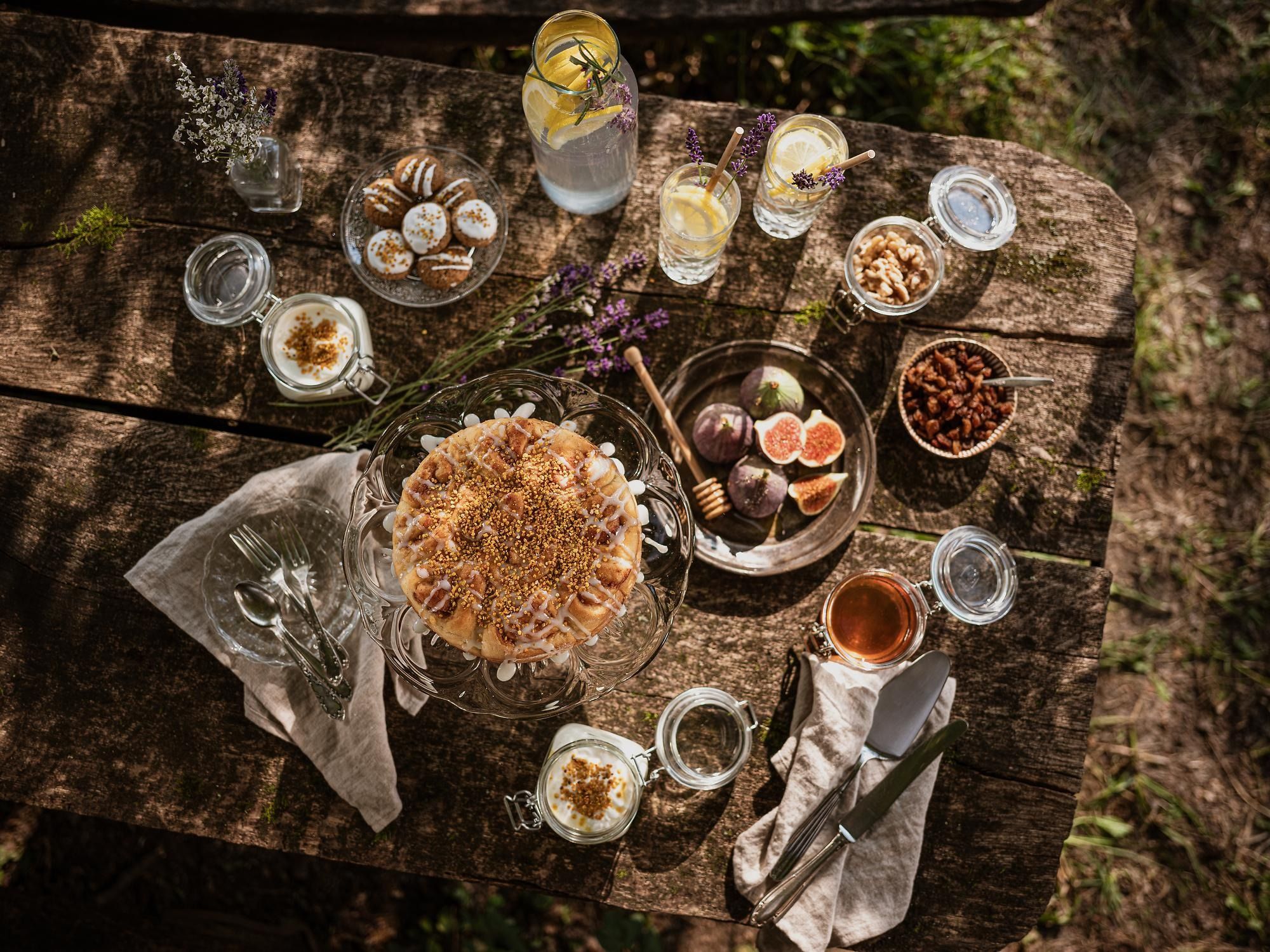
“Our guests are hedonists who like to slow down, visit osmicas and wineries,” says Metka, who likes to surprise guests in the morning with a basket full of products made by their neighbours, the Čilčevi. “I call Tom and Borut the internet farmers, but it is actually an advantage that they do not come from a farming family. It allows them to think outside the box, and this is exactly what Pedrovo needs to stay alive.”
Unique stories