Maribor is Europe’s Best Wine Capital 2026
The city of the world’s oldest noble grapevine has another reason to celebrate this year.
The city of the world’s oldest noble grapevine has another reason to raise a glass this year. European Best Destinations has named Maribor Europe’s Best Wine Capital 2026, placing it ahead of renowned Bordeaux and Porto.
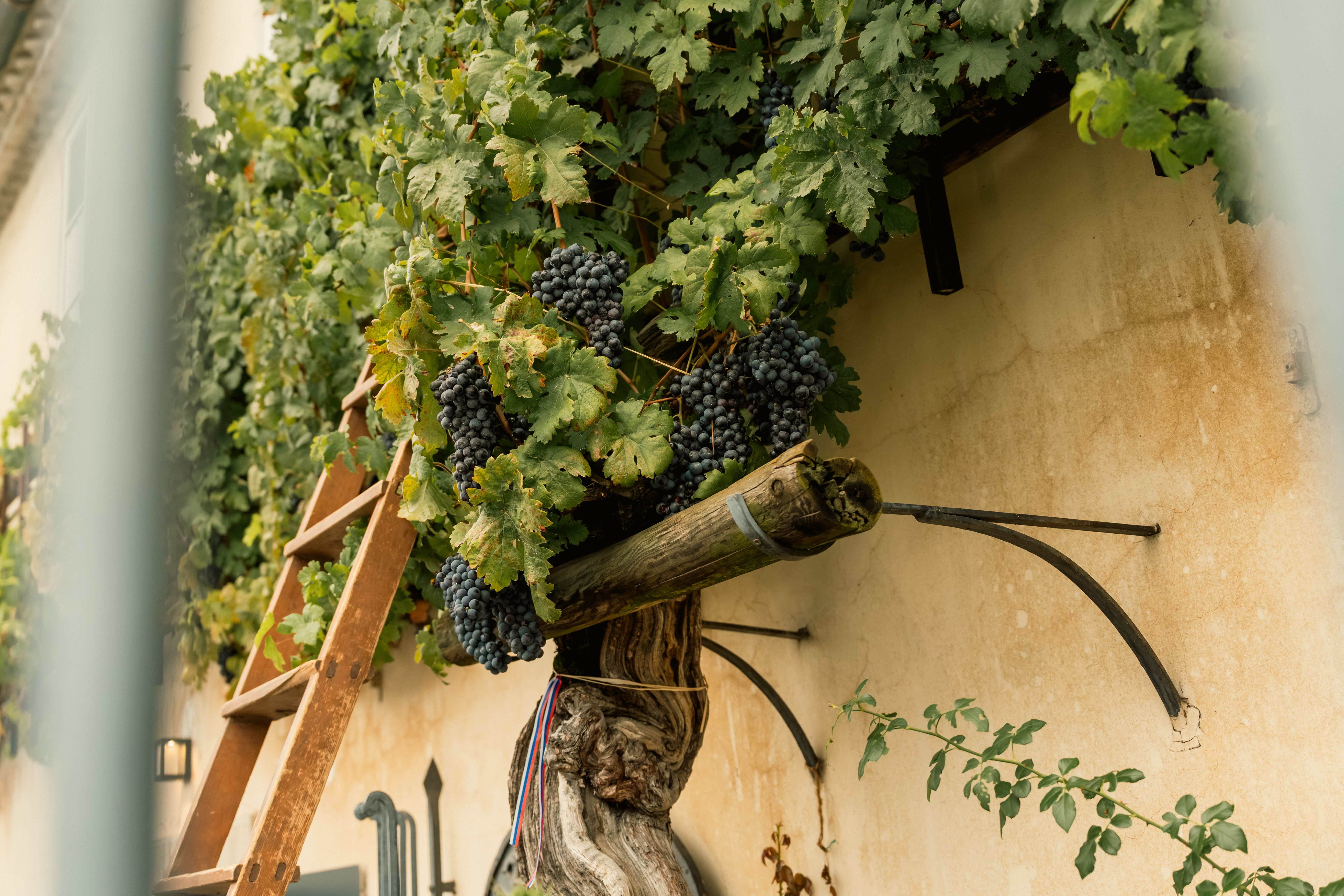
In Maribor, wine is much more than just a drink. It is part of the city’s history, culture and everyday life. The story begins with the Oldest Vine in Lent, a more than 450-year-old Guinness World Record holder of the Žametovka, or Modra Kavčina, grape variety, which still bears fruit today. It continues in the historic wine cellars of Vinag 1847 beneath the city centre and spreads across the hills of Slovenian Styria, where some of Slovenia’s most distinctive wines are produced.
It is precisely this combination of rich wine tradition, outstanding gastronomy, local producers and chefs, vibrant culture and authentic experiences that makes Maribor one of Europe’s most attractive wine destinations. The quality of the local offering is further brought together under the Naše najboljše collective brand, while the city’s growing recognition has also been confirmed by the global media outlet Forbes, which ranked Maribor among ten European wine destinations worth visiting in 2026.
Maribor
The City of the World’s Oldest Vine
At the heart of Maribor’s wine story grows the Oldest Vine, the world’s oldest noble grapevine that still bears fruit. Its story has become one of the city’s most powerful symbols, but Maribor’s wine tradition extends far beyond it.
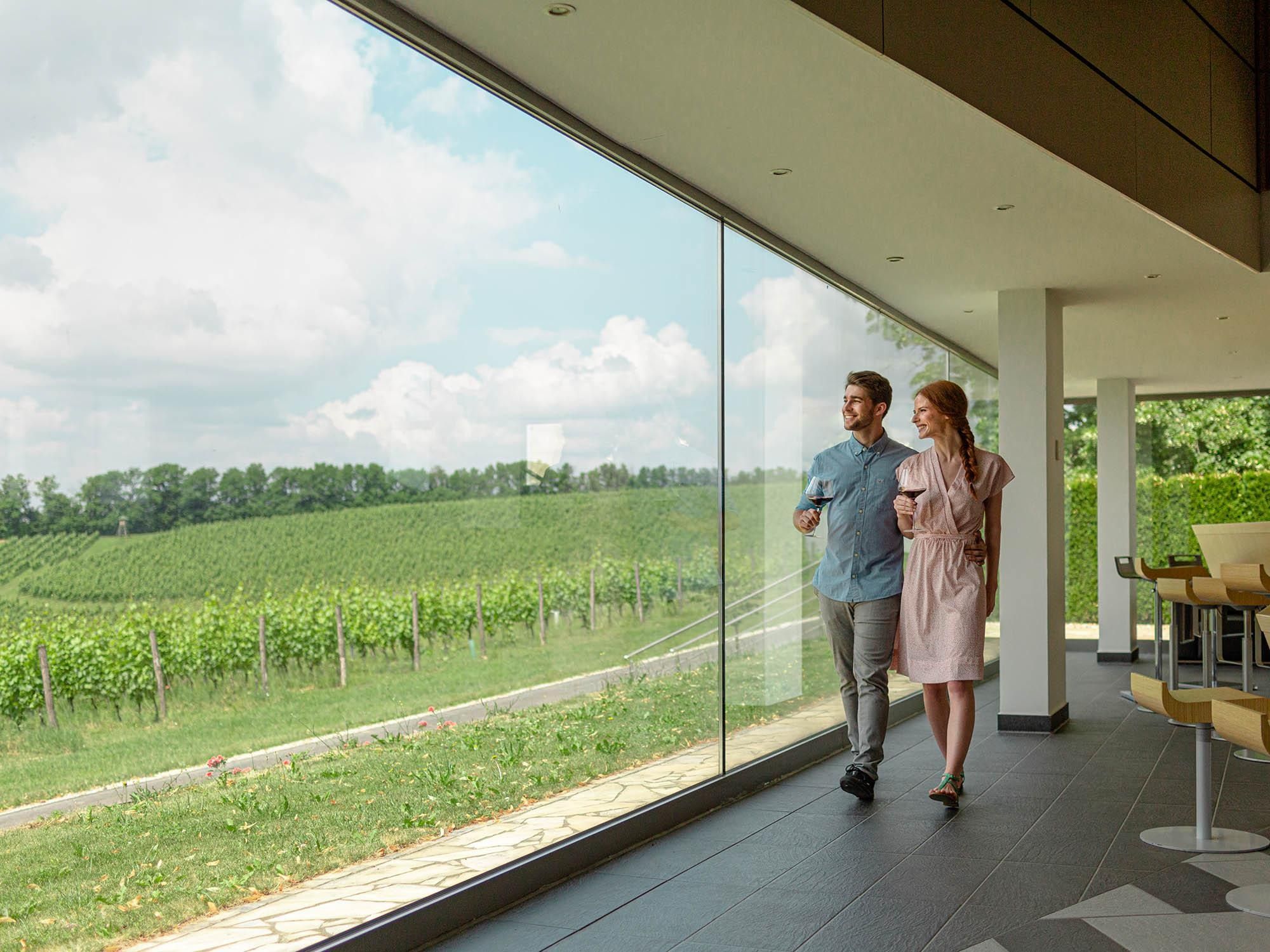
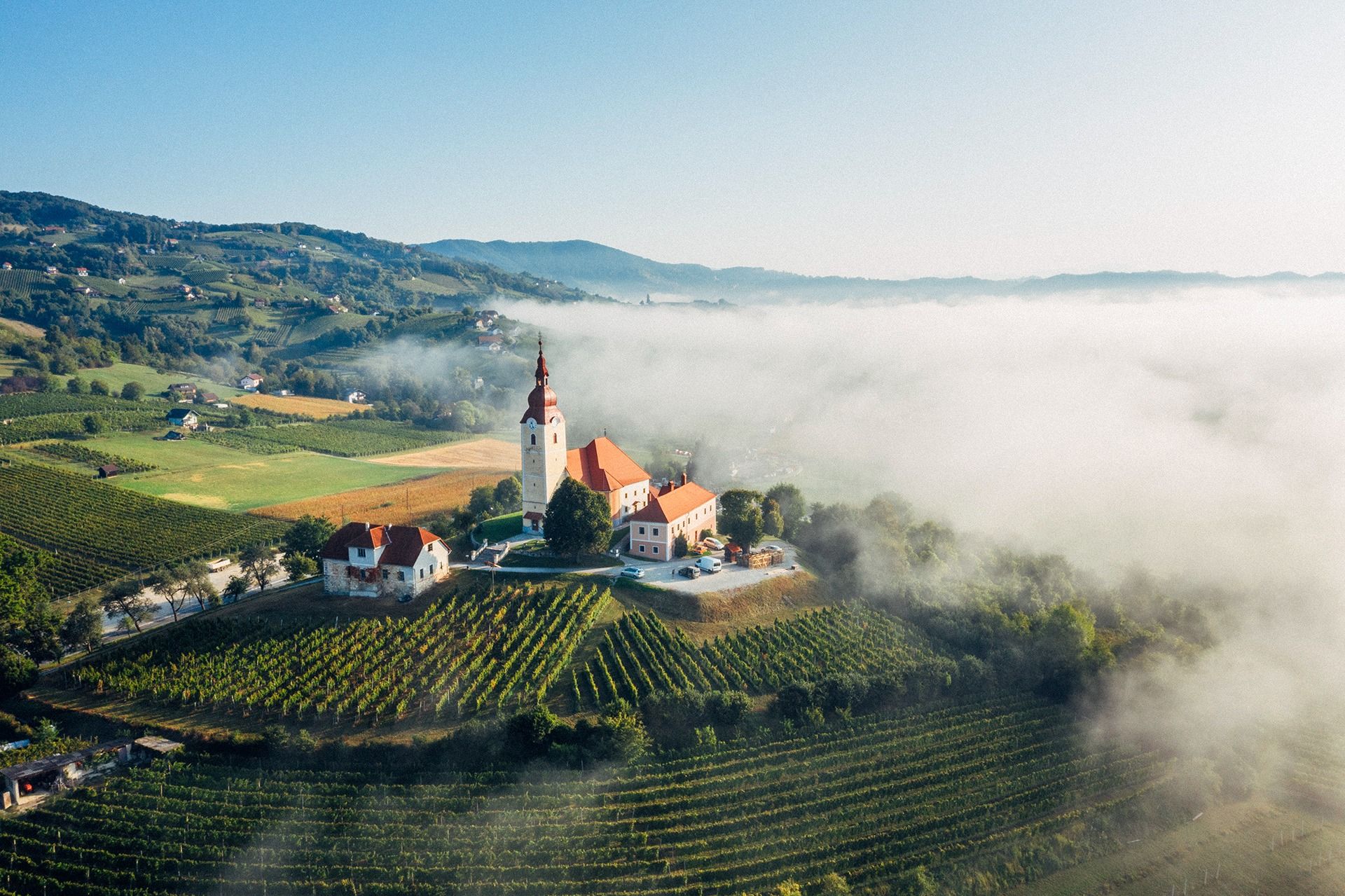
Beneath the city centre lie historic wine cellars, while just a few kilometres from the urban bustle, gentle wine-growing hills begin, dotted with family-run wineries and contemporary wine stories. This makes Maribor one of those wine destinations where you can combine the vibrant atmosphere of the city with a visit to the vineyards in a single day.
The Oldest Vine
Photo: Domen Grogl
Wine and the Flavours of Styria
Maribor lies at the heart of the Styria wine-growing region, where the cooler climate and diverse landscape create excellent conditions, particularly for white wines. Furmint, Welschriesling, Sauvignon Blanc, Chardonnay and Traminer are just some of the varieties worth discovering directly from local winemakers.
But the wine story here does not end with the glass. Maribor is increasingly connecting its wine identity with gastronomy – through local ingredients, traditional Styrian flavours and contemporary cuisine that explores new ways of highlighting the character of the region’s wines.
When Wine Meets Gastronomy
In Maribor, wine is not merely an accompaniment to food, but an important part of the culinary experience. Local producers, restaurateurs and chefs build their offerings around seasonal ingredients such as pumpkin seed oil, buckwheat, mushrooms, meat, homemade pasta and freshwater fish. Rather than simply replicating traditional Styrian flavours, they reinterpret them in a contemporary way and thoughtfully pair them with wines from the surrounding vineyards.
The quality and local origin of the offering are further highlighted by the Naše najboljše collective brand, which brings together selected produce, products and culinary experiences. Visitors can thus discover Maribor and Slovenian Styria through tastings, wine pairings and dishes that tell the story of the place they come from.
Refined Cuisine - Mak Restaurant
Photo: Gregor Bohak
Žamenta Dinner - Culinary Event on Kalvarija
Photo: Arhiv Visit Maribor
Photo: Dražen Stader
Wine Friday
Photo: Nejc Miklošič
01/04
Why Maribor?
European Best Destinations evaluated more than 120 wine-growing regions across Europe, with 31 cities making the shortlist. The final ranking was based on 26 criteria, including winemaking history, the quality and reputation of wines, sustainability, gastronomy, tourism infrastructure, cultural offerings, accessibility and value for money.
Maribor stood out for its living connection to its wine heritage, which is not confined to museums and wine cellars but remains an integral part of the city’s everyday life. Without having to travel far, visitors can combine a walk through the city with meeting winemakers, tasting wines and discovering the cuisine of Slovenian Styria. This accessibility makes it possible to enjoy a complete wine experience without the feeling of mass tourism.
In the final ranking, Maribor was followed by Bordeaux in second place and Porto in third, making the achievement even more significant. The selection was also featured by the global media outlet Forbes in its article on ten European wine destinations worth visiting in 2026.
Photo: Visit Maribor Archive