On grape varieties in Slovenia
In the land of Rebula, Furmint, Malvasia, and Blaufränkisch
Are you up for Chardonnay, Sauvignon, Pinot Noir or the Bordeaux blend of Cabernet Sauvignon and Merlot?
Slovenian winemakers can produce all of the foregoing perfectly. After all, we have been comfortable with international varieties Riesling, Chardonnay, Pinot Gris, Traminer, and Pinot Noir since 1822, when they were planted in the sample vineyard in Meranovo on the edge of Pohorje south of Maribor by Archduke John.
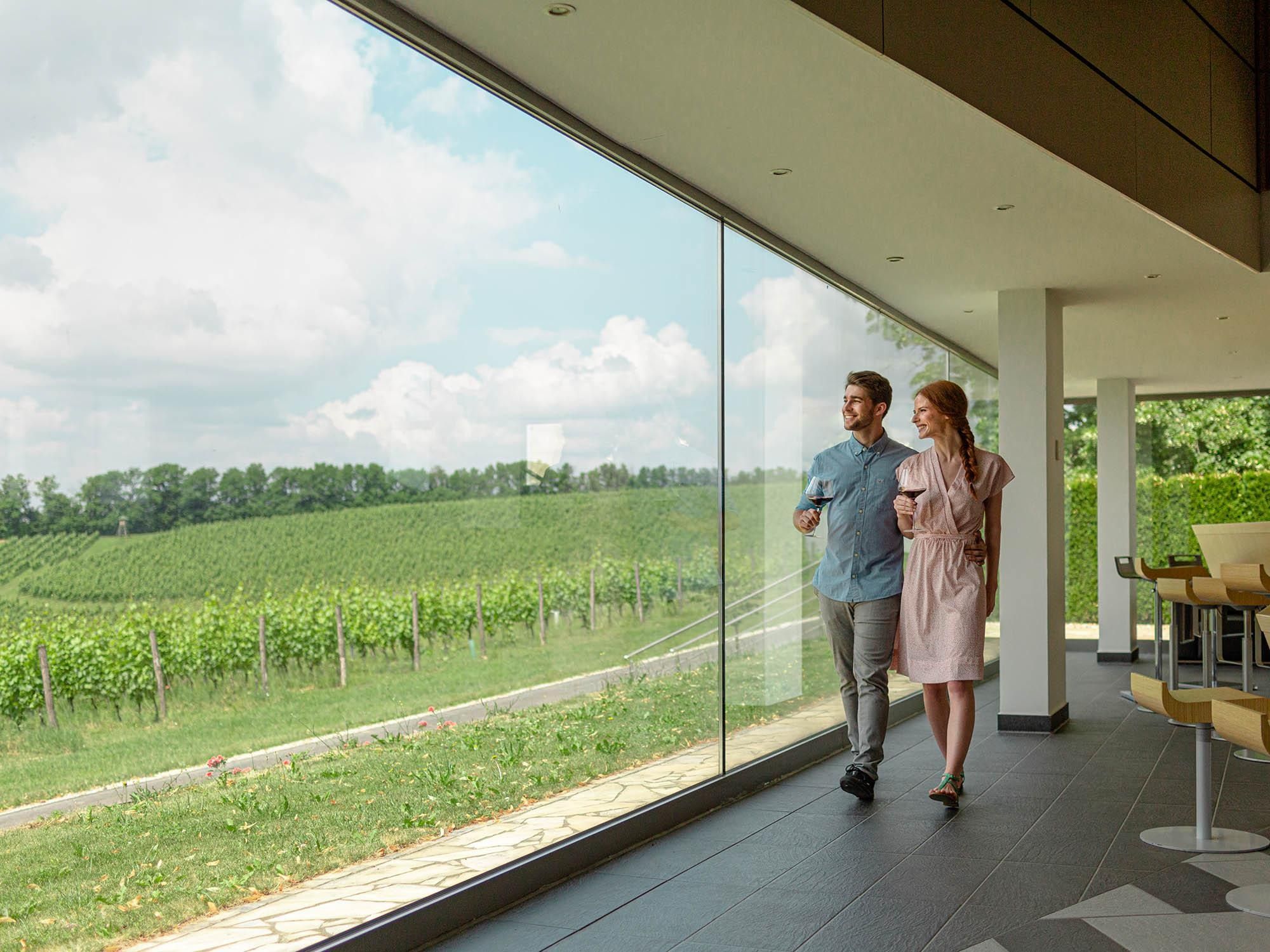
Photo: Sara Mikac
International or local?
International varieties are not the latest fad in Slovenia, and local varieties are on the rise.
International varieties have been in Slovenia for almost 200 years; they have adjusted to our conditions and shown regional-specific features. They are still the core of many winemakers’ production. But wine lovers’ discussions, newspaper articles, and wine lists of good Slovenian and international restaurants are increasingly pervaded by local grape varieties.
In view of the relative smallness of Slovenian vineyards, 53 permitted or recommended varieties is a lot, which may be a blessing or a curse. In this day and age, it is the former.
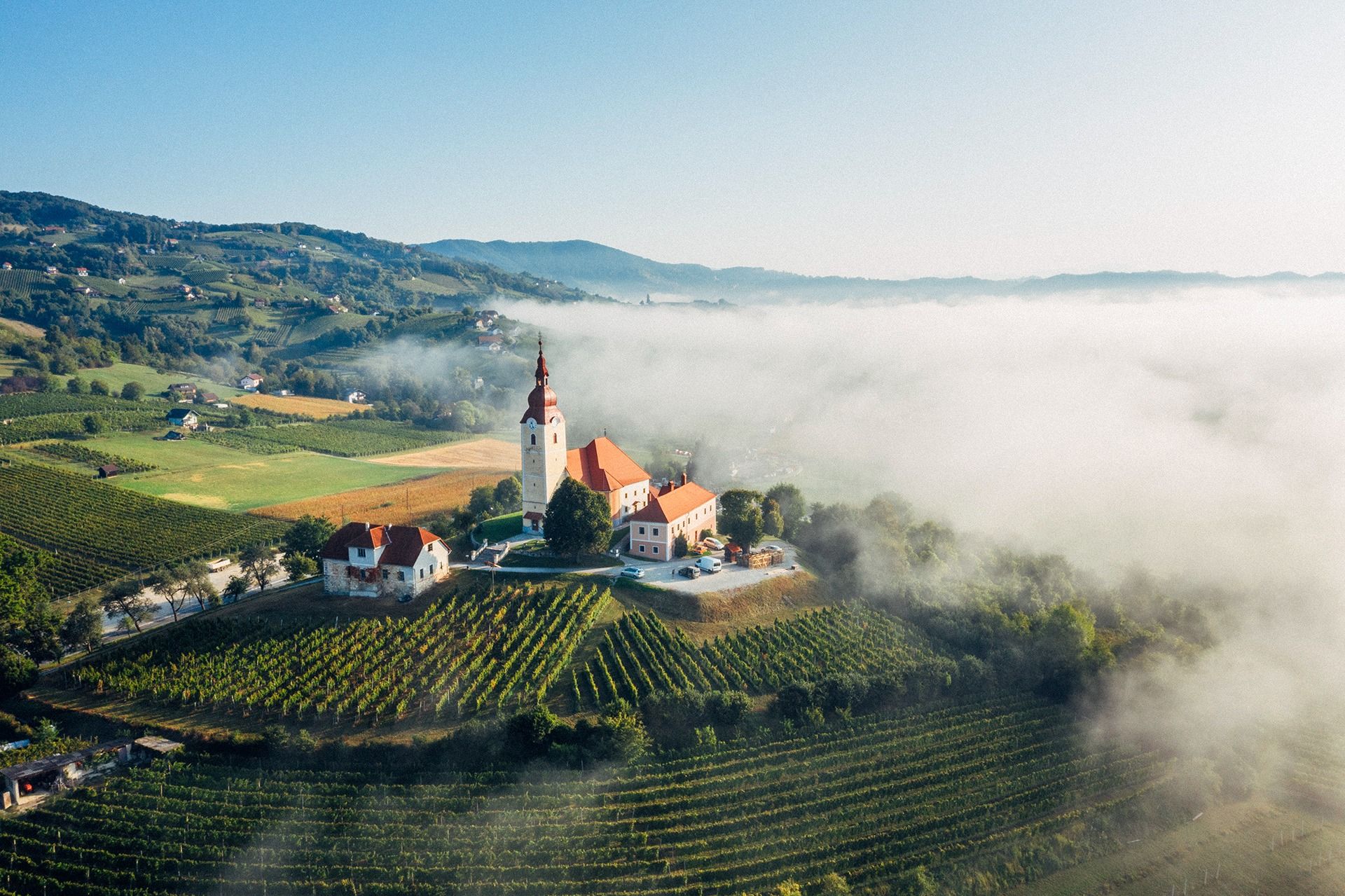
Photo: Tomo Jeseničnik
Slovenia’s white varieties
White varieties constitute 70 per cent of Slovenian production.
Istrian Malvasia is the first white variety of Slovenian Istria and an old variety from the Vipava Valley. It is distinguished by moderate acidity, full body, and quite an aromatic bouquet which is reminiscent of dry apricots and sage. It produces various styles of wines – fresh dry, aged in wood, orange, and sweet. It is increasingly used for premium blend in the Vipava Valley and the Brda.
The first records of Rebula date as far back as the 14th century. This almost forgotten variety was put onto a pedestal by Brda winemakers and made the queen of their vineyards, which is marked annually with an international event “Brda, Home of Rebula”. It is also an old variety from the Vipava Valley, which is becoming increasingly important. Rebula is characterised by a moderate alcohol level, high acidity, and a gentle bouquet which is reminiscent of lemon, anise, and dry spices. It embodies the terroir perfectly.
Rebula is used for sparkling wines, simpler dry wines from stainless steel barrels, varietal wines aged in wood, strong varieties with Chardonnay or other local varieties, orange wines, and wonderful sweet wines.
The ancient variety of Furmint (locally known as Šipon), the pride of Štajerska, has been keeping winegrowers and winemakers company for at least a thousand years. Good Furmint comes in particular from the hilltop village of Jeruzalem and the whole Ljutomer–Ormož sub-region, and it has also been showing great results in steep Haloze lately. It is marked by a high acidity level, lower alcohol level, and a gentle bouquet, which can smell of ripe pears when the grapes are completely ripe. When it is affected by noble rot, it may produce sweet wines which are among the best in the world.
Legend has it that Furmint got its name during the French occupation at the beginning of the 18th century. The French tasted the wine, muttering: “C’est si bon, si bon …” (“This is so good”), which the locals heard as “Sipon” (another name for Furmint) …
Furmint and Rebula are the varieties responsible for the most Slovenian platinum and gold medals, as well as regional and international trophies at the most important wine competition in the world – Decanter World Wine Awards (DWWA).
At DWWA 2019, Rebula and Furmint were responsible for three out of the four best scored Slovenian wines.
Indigenous Zelén and Pinela are special wines from the Vipava Valley. After World War II, Zelén was almost extinct, but now, this variety with an exceptionally low alcohol levels, typically around 11 per cent, and the spicy character of dry Mediterranean herbs and dry apricots, has been gaining ground.

MY WAY OF TOASTING QUALITY.
Red varieties of Slovenian vineyards
Do you know what Refosco, Žametovka and Blaufränkisch taste like? Slovenian winemakers’ trust in them is growing.
Robust Refosco should be mentioned first among red varieties, which is responsible for almost all red wines from Slovenian Istria and the Karst, where, growing on red soil, Teran is produced from it. Its deep colour and high acidity are its main assets. Due to its robustness, most of it is drunk in the region, but if it can get 94 PP (Parker Points), we know its range is extensive.
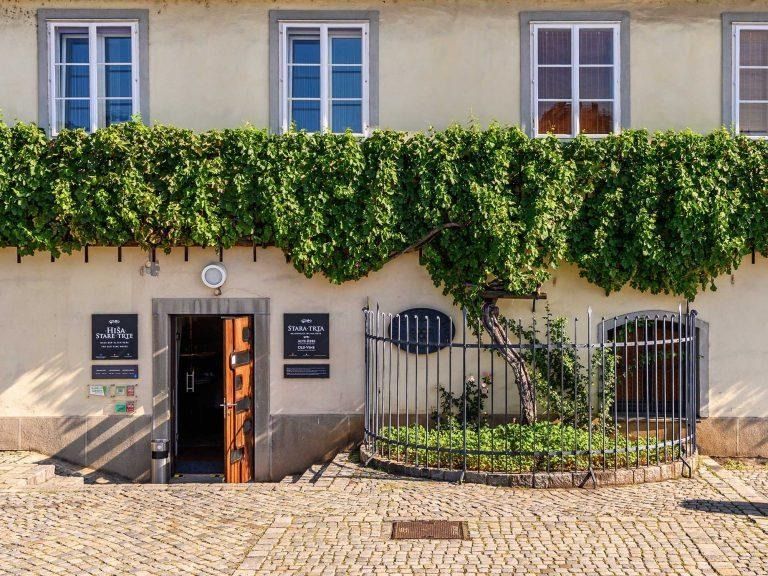
Žametovka (also known as Žametna Črnina and Modra Kavčina) is the second most planted red variety in Slovenia. It is an ancient indigenous variety originating from Dolenjska, which gives wines with high acidity and light colours. Most of it ends up in simple local blends, such as Cviček, Metliška Črnina and red Bizeljčan. Lately, it has been acquiring a more noble role as a raw material for very good sparkling wines from Dolenjska. The oldest grape in the world, the Old Vine, is the Žametovka variety.
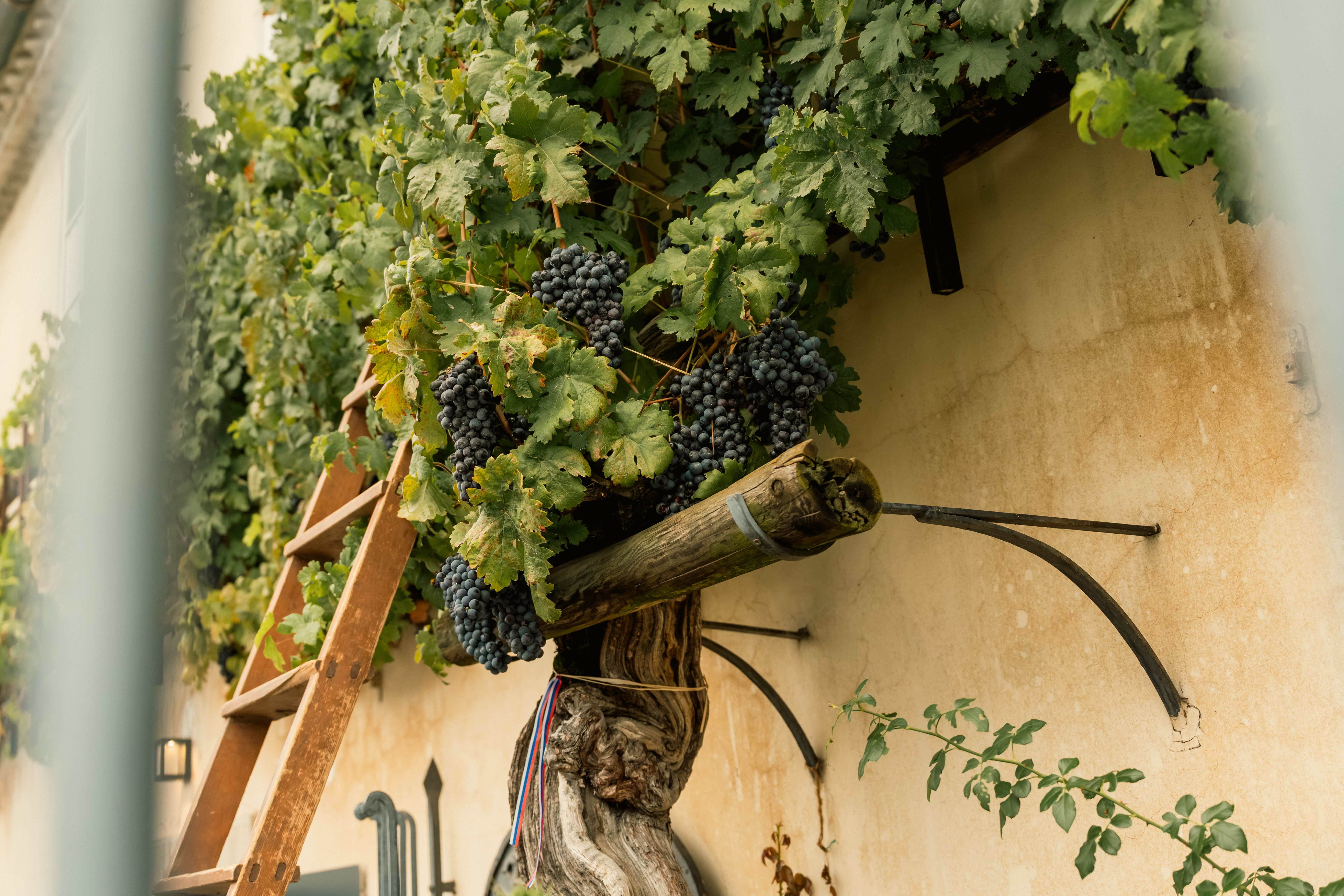
In November 2016, there was commotion among Slovenian winemakers. A group of German scientists announced that Blaufränkisch is highly likely a Slovenian indigenous variety and that it originates somewhere around Slovenske Konjice. Winemakers who have planted Blaufränkisch gained additional momentum. Particularly winemakers from Posavje where three quarters of this variety are planted, and the quality of wine has been notably higher since. The best specimens age in wooden barrels and have deep colours, and the bouquet is reminiscent of ripe red and black fruits, dry spices, and black pepper.
Photo: Vid Ponikvar, Sportida d.o.o.
For explorers – unique highlights
Let us mention local special specialties which are not (yet) particularly popular. Neutral Kraljevina remains the basis of Cviček and white wine from Bela krajina. Light and delicate wines are produced from indigenous Ranina in Štajerska. Due to its extremely high acidity, Rumeni Plavec has been gaining ground as an ingredient of sparkling wines in Bizeljsko. Vitovska Grganja is increasingly popular, particularly in the Karst as orange wine. Ranfol, which used to be the most widespread variety in Štajerska, has been falling into oblivion due to its neutral character. There are only three hectares of indigenous Klarnica, which grows in the Vipava Valley, in the whole world.