Typical dishes

Typical dishes

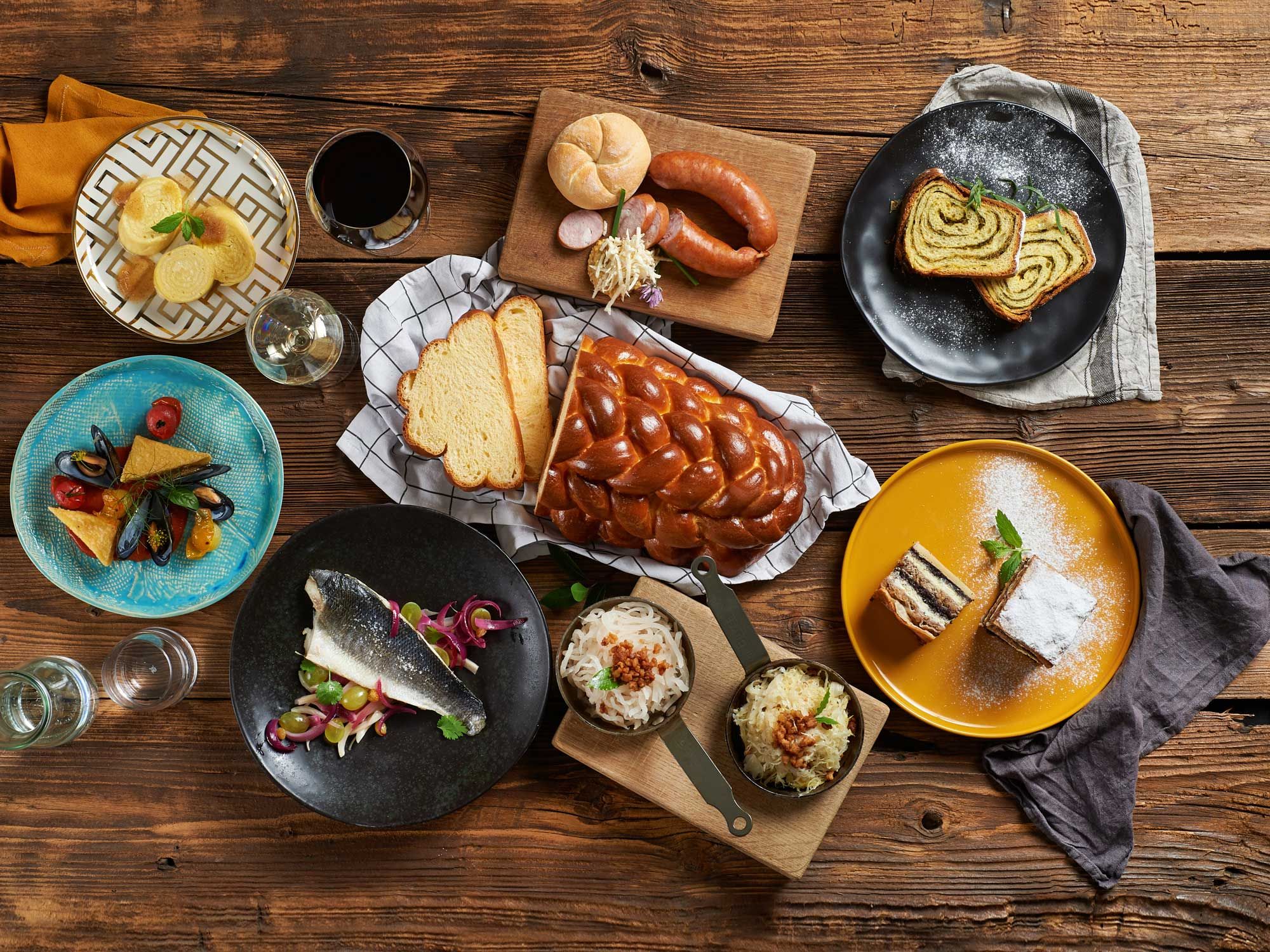
Different food is available on the coast than among the Alpine peaks. The flavours of the Pannonian Plain are different to those of the Karst. Everywhere you go, you will discover how nature and culture have always been combined here on a plate with distinctive local dishes.

Photo: Tomo Jeseničnik

22–42 of 57

  • ALPINE SLOVENIA

    Koroški rženi kruhRye bread from the Koroška Region

    In the region of Koroška, rye bread has a special place in the everyday and festive diet. It is made from home-made sourdough according to an old recipe that has been passed down from generation to generation. In the past, a loaf of this kind of bread used to be considered a means of payment, and a piece given to a stranger was a symbolic way of protecting their newborn from evil.
  • THERMAL PANNONIAN SLOVENIA

    Kozjanska kruhova potica (Kozjansko bread cake)

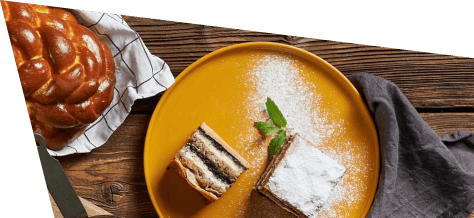
    Although it is called ‘potica’, this is actually a typical flatbread from filo dough, filled with three layers of white bread slices and a filling made from warmed cream, eggs, sugar (or honey), and raisins.

  • THERMAL PANNONIAN SLOVENIA

    Kozjansko capon

    This delicious poultry dish, which used to be a staple in the rich diet of castle lords and other privileged parts of society, is prepared in Kozjansko, where capons are also farmed. Capon is always available at Gostilna Kunst in Bistrica ob Sotli and in other restaurants.

  • ALPINE SLOVENIA

    ‘Kranjska klobasa’, a delicious sausage protected since 1896

    The most well-known Slovenian food product in the world, this originates from the rich heritage of pork processing to make semi-durable meat products. The oldest mention of this sausage, calling it ‘kranjska klobasa’, dates back to the second half of the 18th century.

  • MEDITERRANEAN & KARST SLOVENIA

    ‘Kraška šelínka’ (a celery hotpot from the Karst region)

    ‘Šelín’ is the name for aromatic celery in the Karst dialect. This is one of the staples in the vegetable dishes of Karst cuisine. The leaves and the tuber are used to prepare soups, sauces, hotpots, and salads. The most popular hotpot is called ‘šelínka’. Celery leaves are also dried and used as a seasoning.

  • MEDITERRANEAN & KARST SLOVENIA

    ‘Kraški pršut’, ‘kraški zašink’, and ‘kraška panceta’ (Karst ‘pršut’ ham, Karst air-dried pork neck, Karst pancetta)

    These famous dried meat products with a European protected geographical indication are made through salting and drying procedures in the typical Karst ‘Burja’ wind. Traditionally preserved pork legs and other meat products are paired with excellent cheeses and red wines.

  • LJUBLJANA & CENTRAL SLOVENIA

    Leteči žganci (‘flying mush’: fried chicken thighs and wings)

    A humorous, perhaps even ironic name for a dish once enjoyed by workers at the former town port on the River Ljubljanica in the 17th century. This dish consists of fried chicken thighs and wings, and its name is connected with the most common and widespread dish called ‘žganci’ (mush), which was often a symbol of poverty and even survival.

  • LJUBLJANA & CENTRAL SLOVENIA

    Ljubljana lunch: cooked beef tongue, beef soup, oxtail from the soup, roasted potatoes, Ljubljana ‘skuta’ curd cheese crepes with tarragon

    In the 19th century, the Ljubljana lunch became a staple in people’s lives. Some locals prepared these dishes at home, while others started frequenting ‘gostilnas’ (traditional restaurants) near the city on the weekends. This type of lunch is still enjoyed today, and it often represents the classic picture of family life on weekends.

  • THERMAL PANNONIAN SLOVENIA

    St. Martin’s roast duck or goose with ‘mlinci’ flat cakes and red cabbage

    This is one of the most distinctive dishes enjoyed during St. Martin’s festivities, held since the 1970's to celebrate the harvesting of wine grapes. This dish is prepared all around Slovenia and is virtually a mandatory element of these festivities that last anywhere from one day to two weeks.

  • MEDITERRANEAN & KARST SLOVENIA

    Minestrones

    This is a name for the most common dishes, hotpots in Istria, which differ from one another depending on the ingredients used and on the season of the year. The most important thing when preparing minestrones is the duration of cooking on moderate heat and adding pieces of pork or pršut ham bones, which enhances the flavours. Minestrones became a diet staple in the early 20th century. The most typical minestrones include ‘bobići’ (bean, potato, and maize minestrone) and ‘paštafažoj’ (bean and pasta minestrone).

  • LJUBLJANA & CENTRAL SLOVENIA

    Fried frog legs

    The abundance of frogs living in Ljubljana's surrounding area was the basis for this delicious dish. Frog legs were once breaded and pan-fried or baked. They are still a delicacy in this city, and they continue to be served at the Pri Žabarju ‘gostilna’ (traditional restaurant).

  • MEDITERRANEAN & KARST SLOVENIA

    Piran branzino

    The branzino that meets the highest food standards, and which is farmed in Piran Bay using world-class expert knowledge, has become a staple in many world-class cuisines outside of Slovenia, too.

  • ALPINE SLOVENIA

    ‘Pohorski lonec’ (Pohorje hotpot)

    ‘Pohorski lonec’ is a tasty vegetable and meat hotpot created by Chef Darinka Orlačnik in 1996 in the Zreče Pohorje Hills. Every year at the end of July, a culinary event called ‘Praznik pohorskega lonca’ or the Pohorje Hotpot Festival is held in the Zreče Pohorje Hills.

  • MEDITERRANEAN & KARST SLOVENIA

    Polenta

    Historically, polenta spread to the area of Mediterranean Slovenia from the neighbouring region of Friuli in the 18th century. Maize polenta is of younger origin, as older polentas were made from millet, sorghum, and buckwheat, and they were cooked as early as the days of antiquity. Today, yellow and white polenta are most frequently made, and as of 1991 a Polenta Festival has been held in Ozeljan.

  • THERMAL PANNONIAN SLOVENIA

    ‘Prekmurska gibanica’ (layer cake)

    The most recognisable and popular Slovenian holiday cake, it has a top and bottom layer of filo dough with layers of apple, ‘skuta’ curd cheese, walnuts, and poppy seeds in between. In was introduced in Prekmurje by seasonal labourers who used to go to work in Slavonija and Vojvodina.

  • THERMAL PANNONIAN SLOVENIA

    Prekmurje ham

    This world-class food product made by many generations is the result of high-quality smoking and drying of pork legs. It is celebrated for its mature pork meat and bacon complemented by the fine aroma of smoke and moderate saltiness

  • THERMAL PANNONIAN SLOVENIA

    ‘Prekmurske koline’ (pork meat and sausages)

    ‘Koline’ (pig slaughter) is one of the major autumn-winter holidays in Prekmurje. This is when buckwheat, white or millet, ‘čarne’ (black) or blood sausages (black pudding) and ‘žemlove krvavice’ (black pudding made from soaked dried bread) are made. In addition to the intestines, the pork stomach (‘ded’; man in dialect) and caecum (‘baba’; woman in dialect) are stuffed.

  • THERMAL PANNONIAN SLOVENIA

    ‘Prleška gibánca’

    ‘Prleška gibánca’ or ‘slovenjegoriška gibánca’ is a flatbread typical of two regions in north-eastern Slovenia. This flatbread consists of seven layers of filo dough with a ‘skuta’ curd cheese and sour cream filling between them. There are sweet and savoury versions.

  • THERMAL PANNONIAN SLOVENIA

    ‘Prleška tünka’, (meat from the lard barrel) ‘zábel’ (pork mash) and black bread

    There have been written testimonies about this excellent preserved pork meat in ‘zaseka’ pork mash since the second half of the 15th century. The name is connected to the way it is made, as high-quality pork meat pieces are topped (in a local dialect: “tünkati”) with ‘zaseka’ pork mash, also known as ‘zábel’.

  • THERMAL PANNONIAN SLOVENIA

    ‘Rajhov langaš’ (fried dough with toppings, such as horseradish, chives, etc.)

    This is Leon Pintarič's (Gostilna Rajh, Bakovci) interpretation of a Hungarian fried dough dish, which is also commonly served as street food. Pintarič's version introduces this dish to world-class gastronomy.

  • ALPINE SLOVENIA

    ‘Rateški kocovi’ and ‘špresovi krapi’ (Rateče pastry pockets with pear filling and pastry pockets with curd filling)

    There are two types of pastry pockets or dumplings in Rateče. The first one (‘Rateški kocovi’) has a filling made of cooked and ground dried pears, some honey, and cinnamon. The second one (‘špresovi krapi’) has a ‘skuta’ curd cheese or ‘špres’ and cornmeal filling. Some home cooks also add millet groats, fried onions, ‘zaseka’ pork mash, cinnamon, and chives to their filling. The Gorenjska region offers ‘ajdovi krapi’, buckwheat dough pockets filled with ‘skuta’ curd cheese or colostrum.

Taste Slovenia

Read more

News with Flavour

Subscribe to the tastiest newsletter Taste Slovenia.