

Slovenia Green
Sustainability
Sustainability
In 2016, Slovenia was the first country in the world to meet the Green Destination criteria but the successful management and development of the internationally awarded Green Scheme of Slovenian Tourism started even before that, in 2014. When it comes to gastronomy, Slovenia has always followed the sustainability principles of the “from farm to fork” approach, focusing on seasonal, local, and organic dishes.
In 2021, Slovenia became the first country (and not region) to be named the European Region of Gastronomy, and fittingly, this was also the year when we welcomed restaurants and other food service providers to join the green community of tourist destinations, accommodation providers, natural parks, tourist agencies, and tourist attractions.
To sum up: if you are a foodie who cares for sustainability, the Slovenia Green Cuisine label will show you the way.
Who can get the label?
Who can get the label?
Gastronomy is an important part of the tourist industry, which is why – in this important year for Slovenian gastronomy – a new sustainability label has been created, offering a new category of sustainability certification for food service providers. The call for the acquisition of the Slovenia Green Cuisine label is open to all food service providers, while those destinations already using the Slovenia Green Destination label can evaluate their gastronomy-related sustainability, using a tool with new criteria added to the existing platform.
The aim of this project is to encourage the destinations using the Slovenia Green Destination label, and those still in the process of acquisition, to increase the sustainability of their gastronomy-related activities. The destinations can be evaluated according to four criteria:
- A destination has implemented a comprehensive management of gastronomy-related activities, either as part of a collective brand or other quality control systems.
- A destination actively raises awareness of local food specialities and the principles of sustainable gastronomy among its guests and the local population, and takes care of promotion and marketing.
- A destination organises different events that focus on sustainable gastronomy, and develops and promotes gastronomical experiences.
- A destination supports the local economy by focusing on connection between and promotion of seasonal and local food, and by supporting short supply chains.
A commitment to sustainability
A Commitment to Sustainability
Food service providers are now able to join the Green Scheme of Slovenian Tourism and acquire the Slovenia Green Cuisine label, based on a previously acquired international L.E.A.F. certificate or Green Key certificate.
To join the Scheme, they sign a Commitment to Sustainable Gastronomy in Slovenia, which consists of seven sustainability principles. The foundations of this Commitment are Slovenian food specialties and authentic and seasonal dishes of a local character, bringing forth the importance of short supply chains featuring local high-quality food suppliers. To honour the Slovenia’s plentiful water, it is recommended in the Commitment to always serve fresh tap water, which is of the highest quality and needs no packaging. The aim of the Commitment is to encourage food service providers to reduce their waste, stop using single-use plastics, and to use natural resources in a sustainable manner. Slovenia is widely known as a country with high hygienic and sanitary standards, ensuring access to safe food in a safe environment. Last but not least, the Commitment also encourages inclusivity in connections.
Slovenia Green label
Bearers of the Slovenia Green label
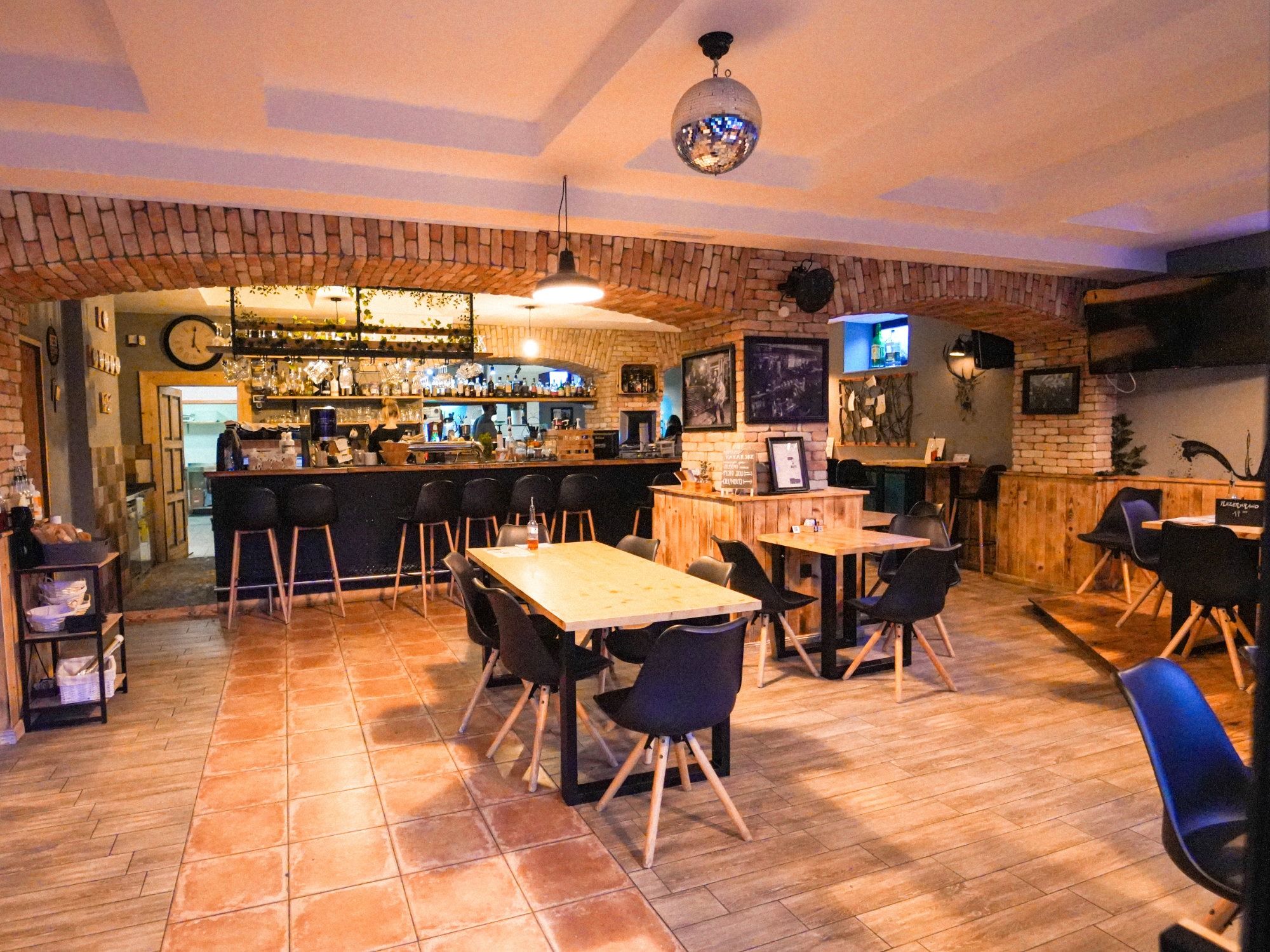
Baffi house of pizza
Radovljica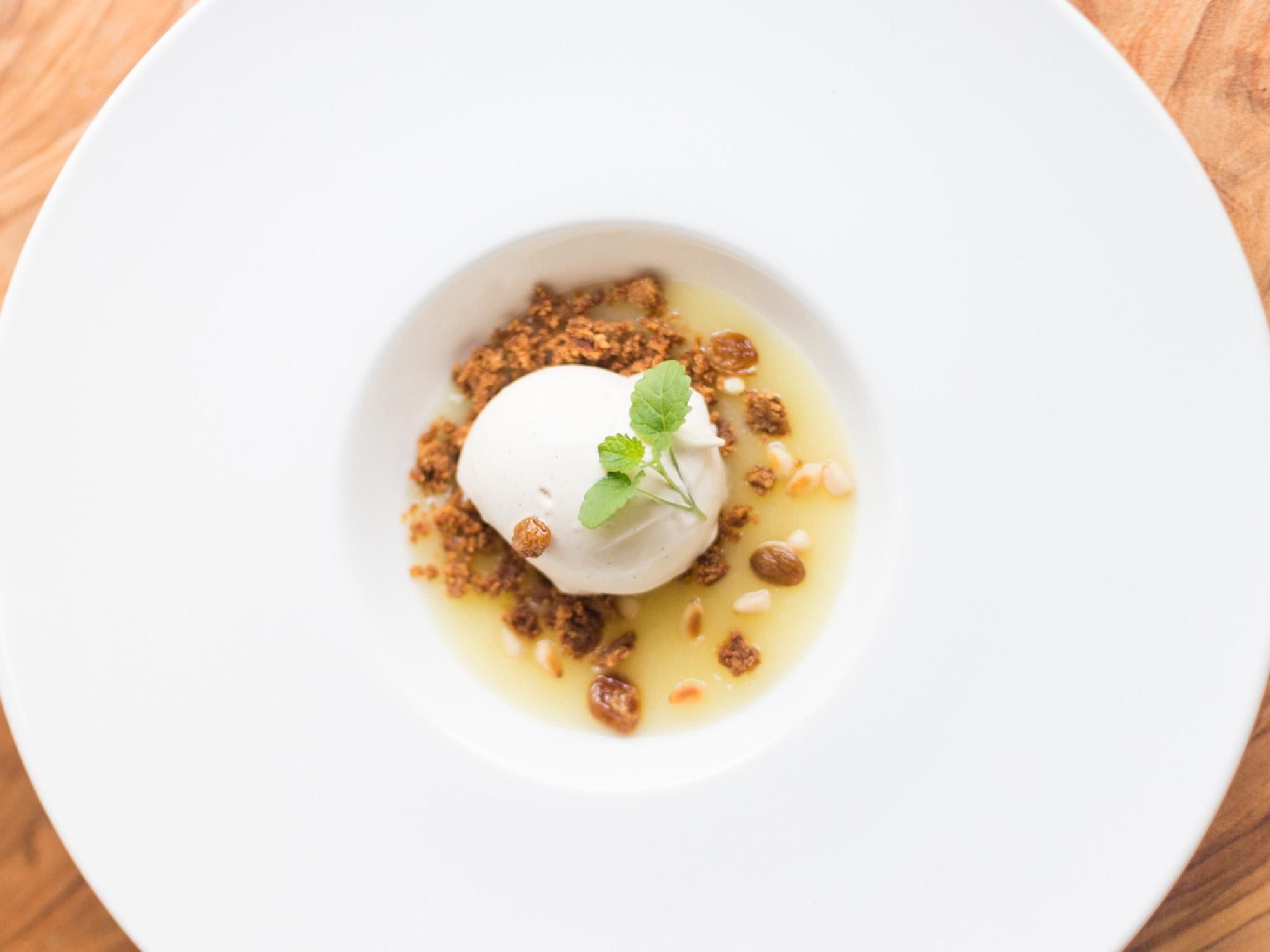
Bistro Grad Štanjel
Štanjel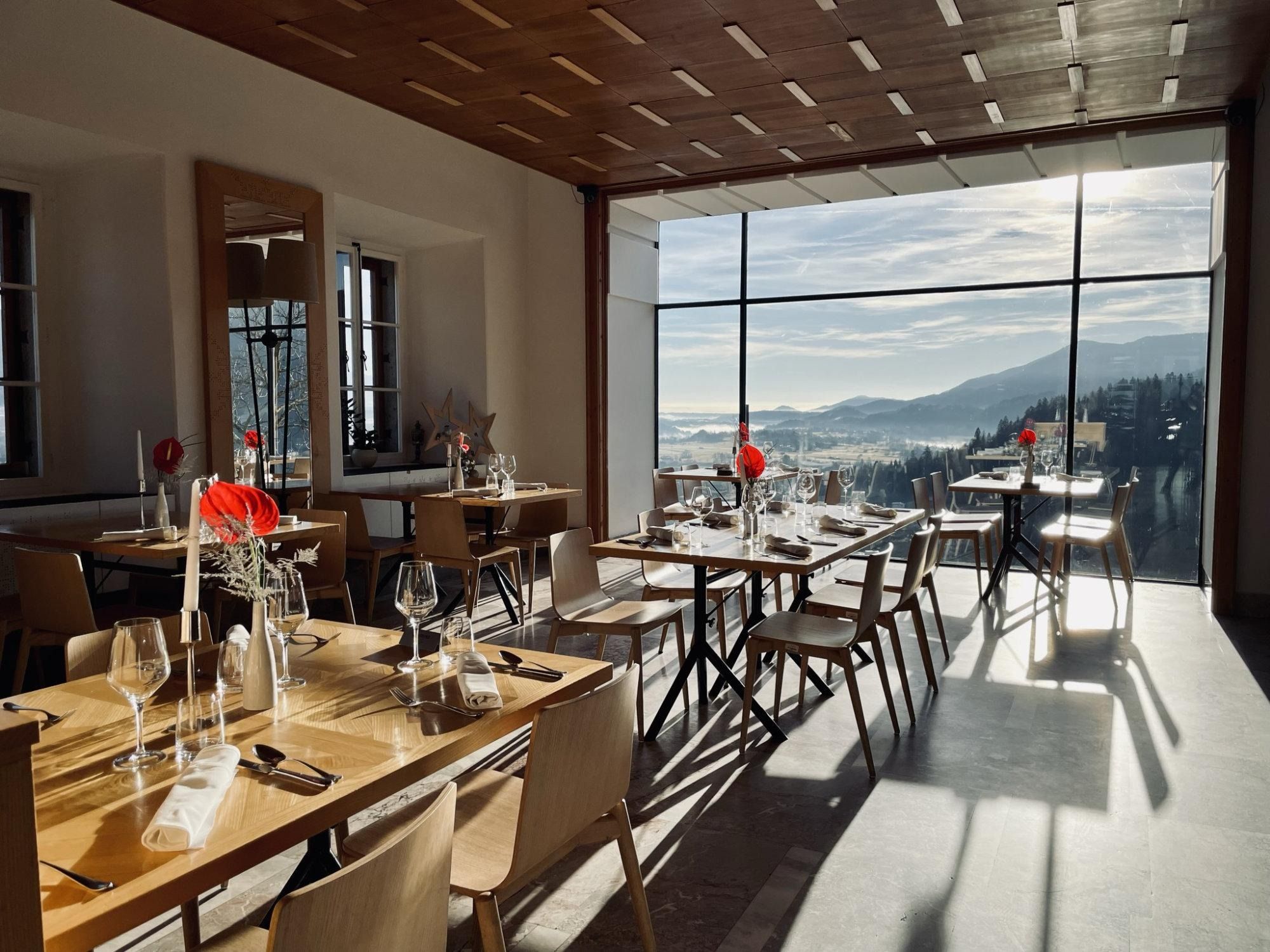
Bled Castle Restaurant
Bled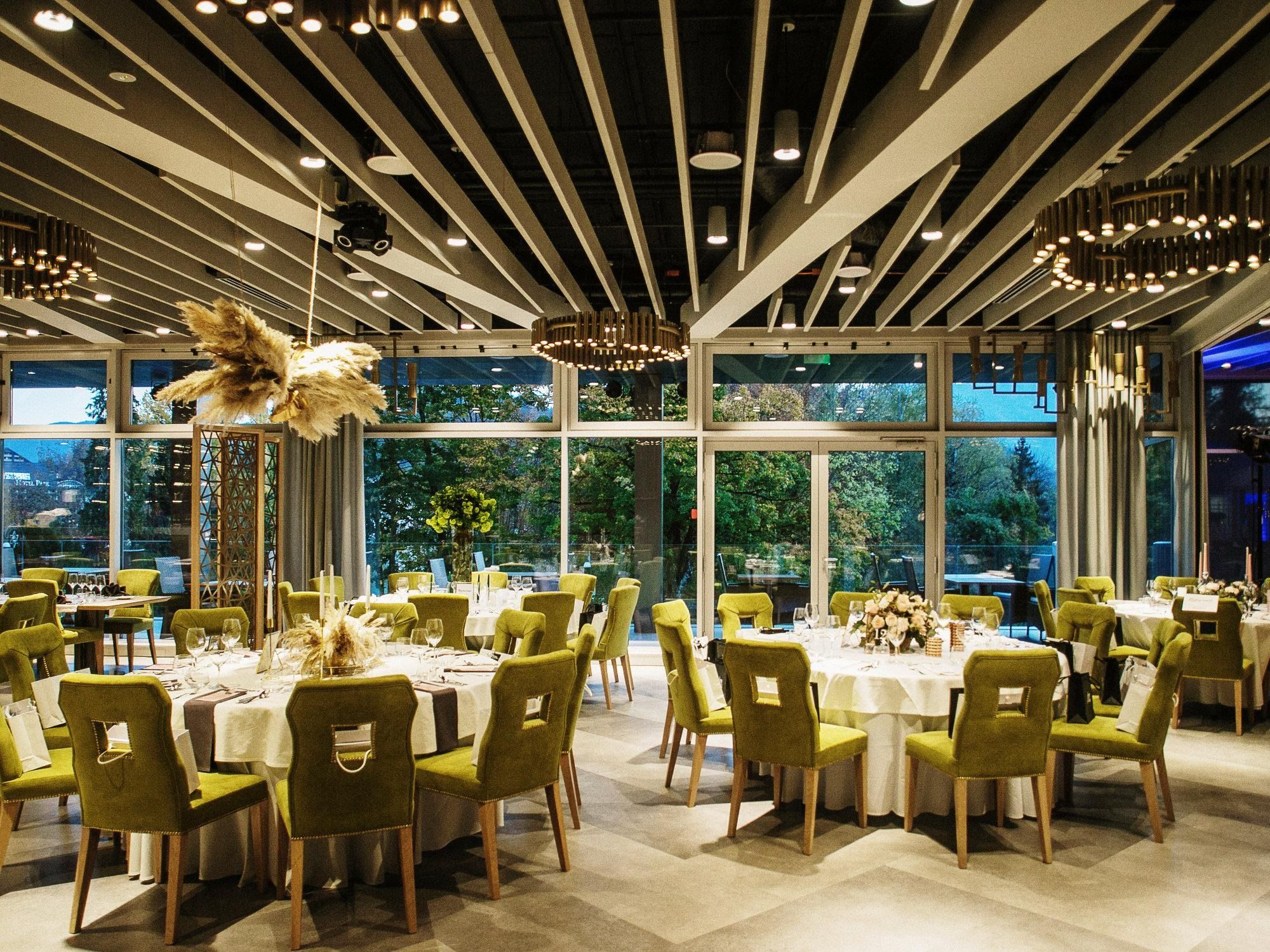
Bled Rose hotel restaurant
Bled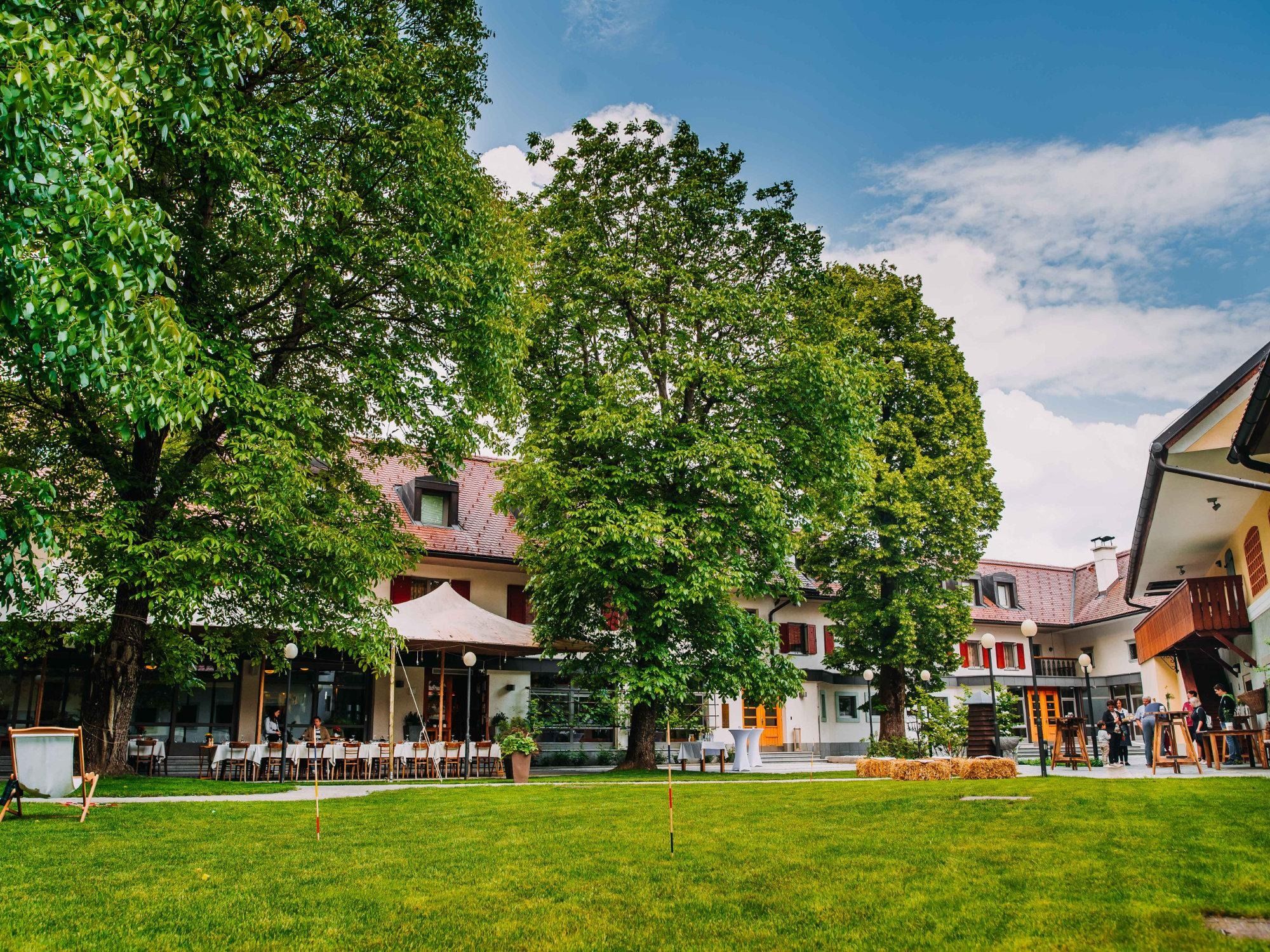
Dvor Jezeršek
Cerklje na Gorenjskem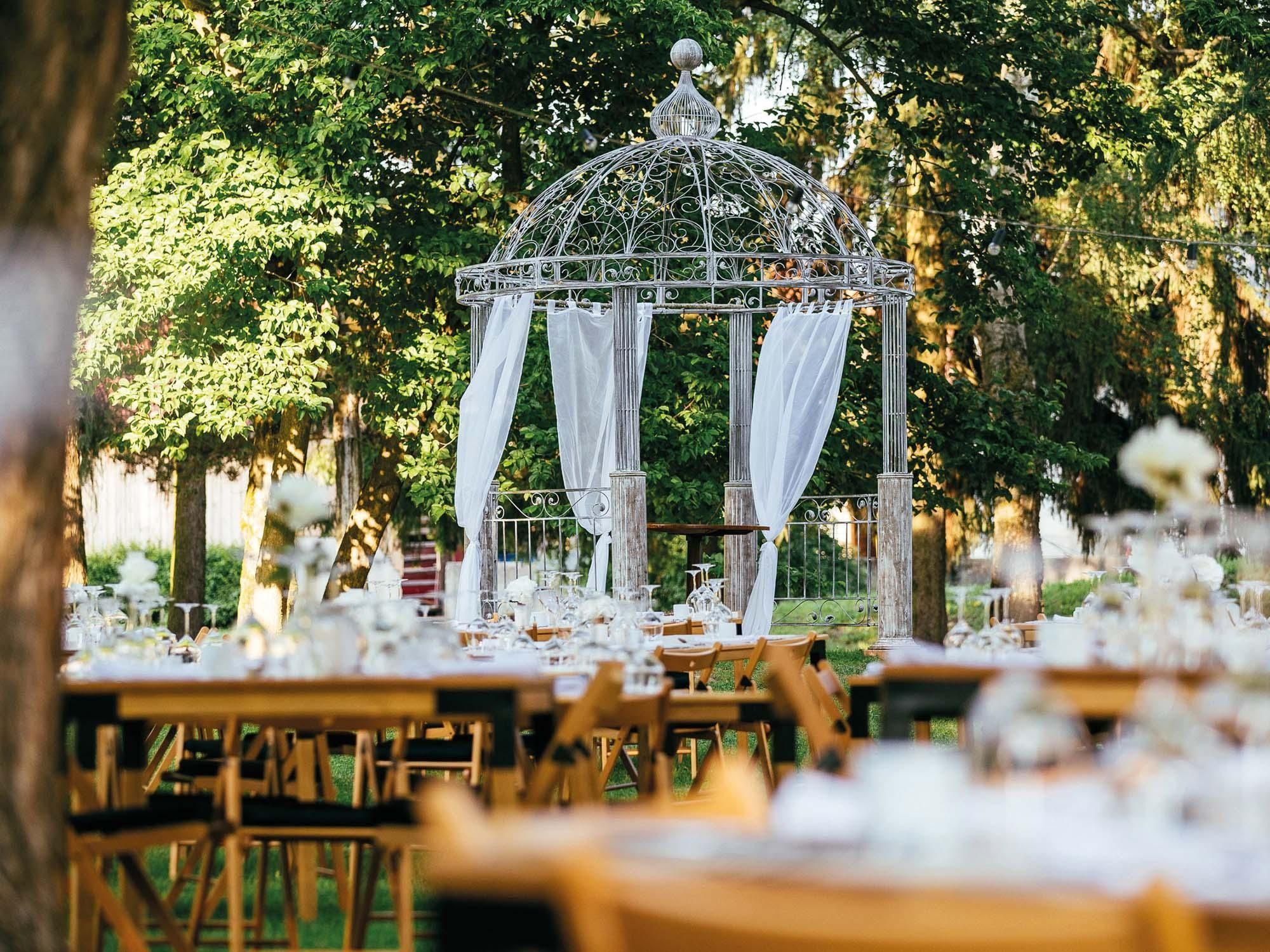
Galerija okusov
Petrovče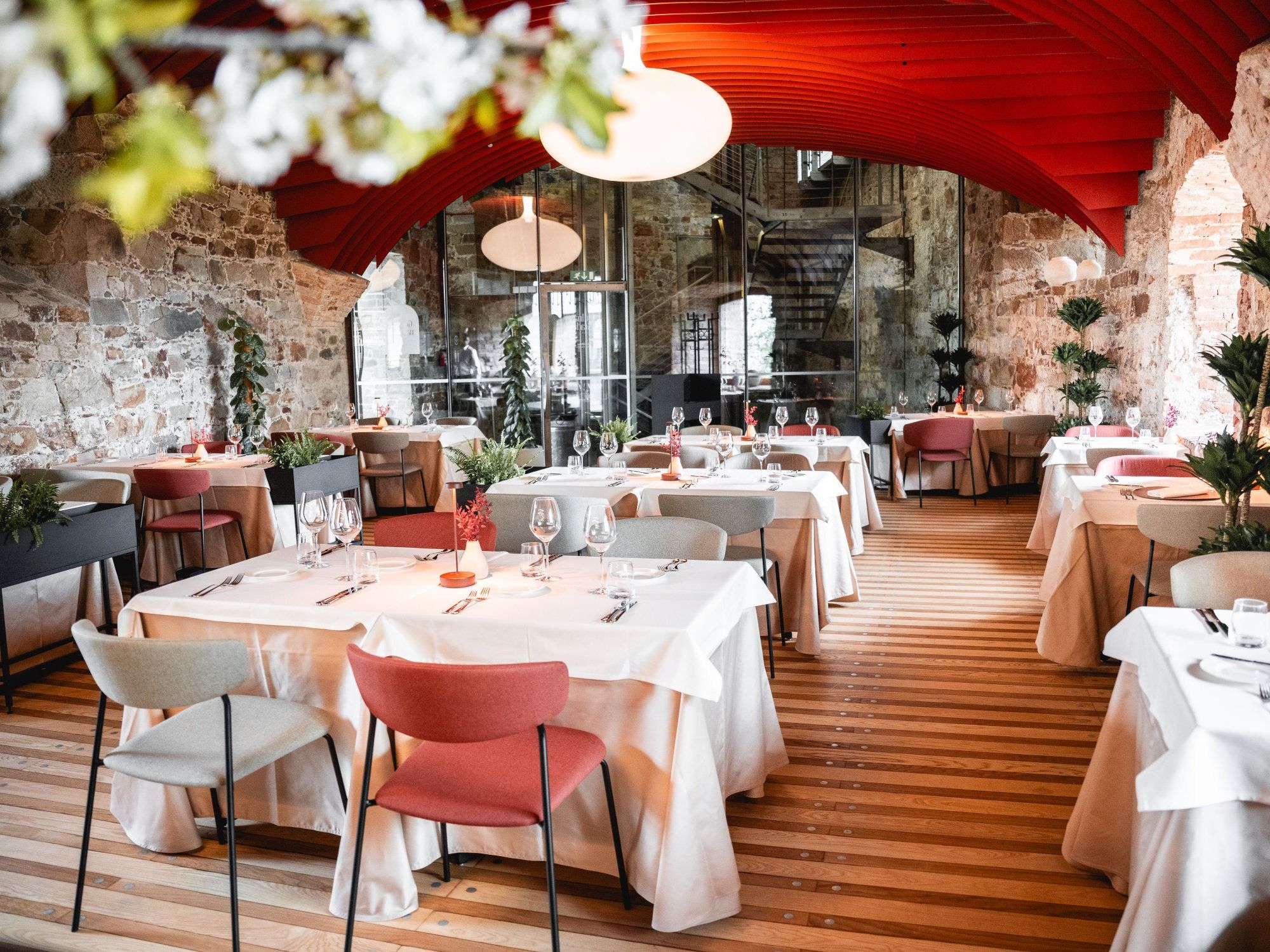
Gostilna na Gradu
Ljubljana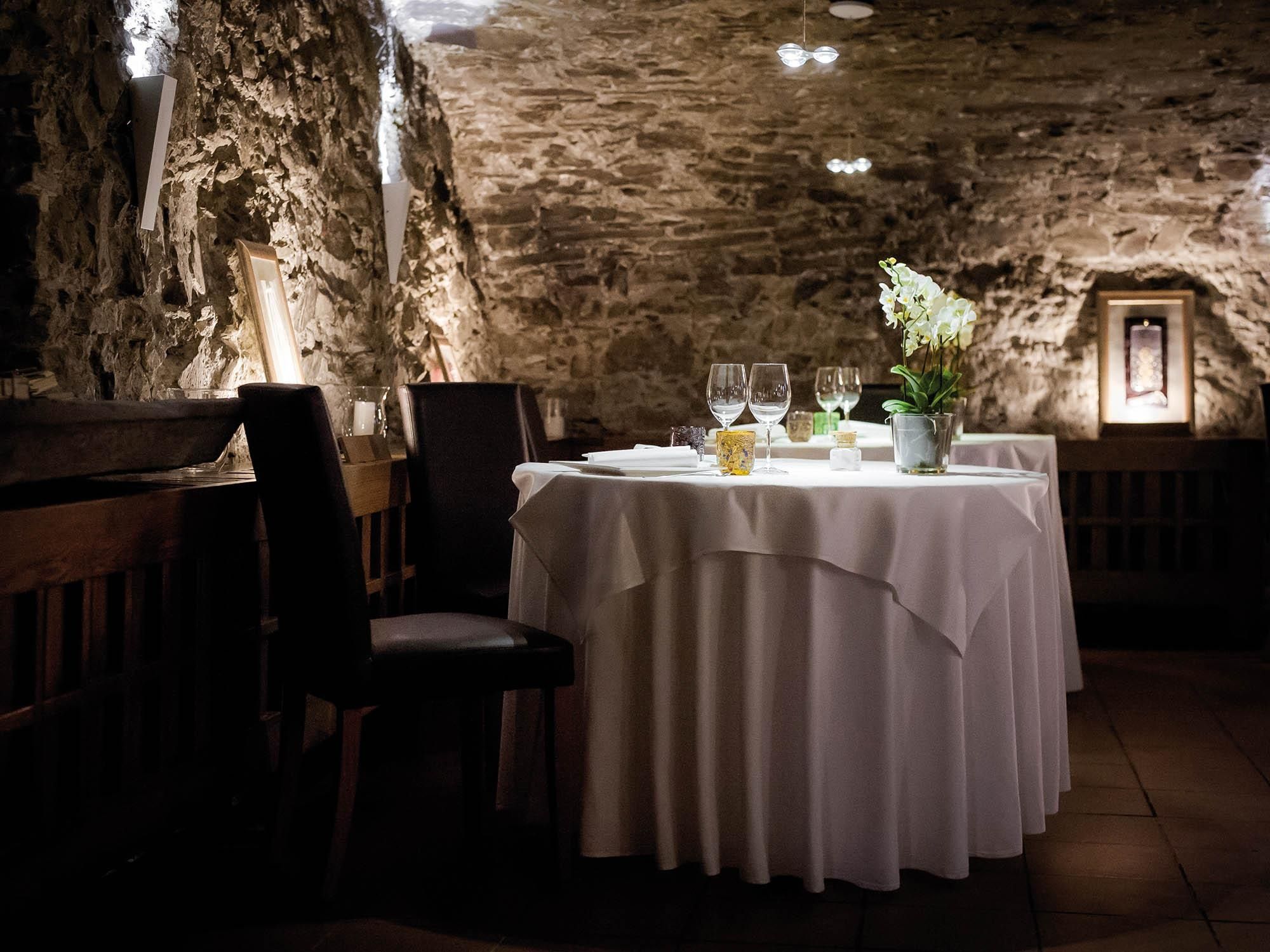
Gostilna pri Lojzetu
Vipava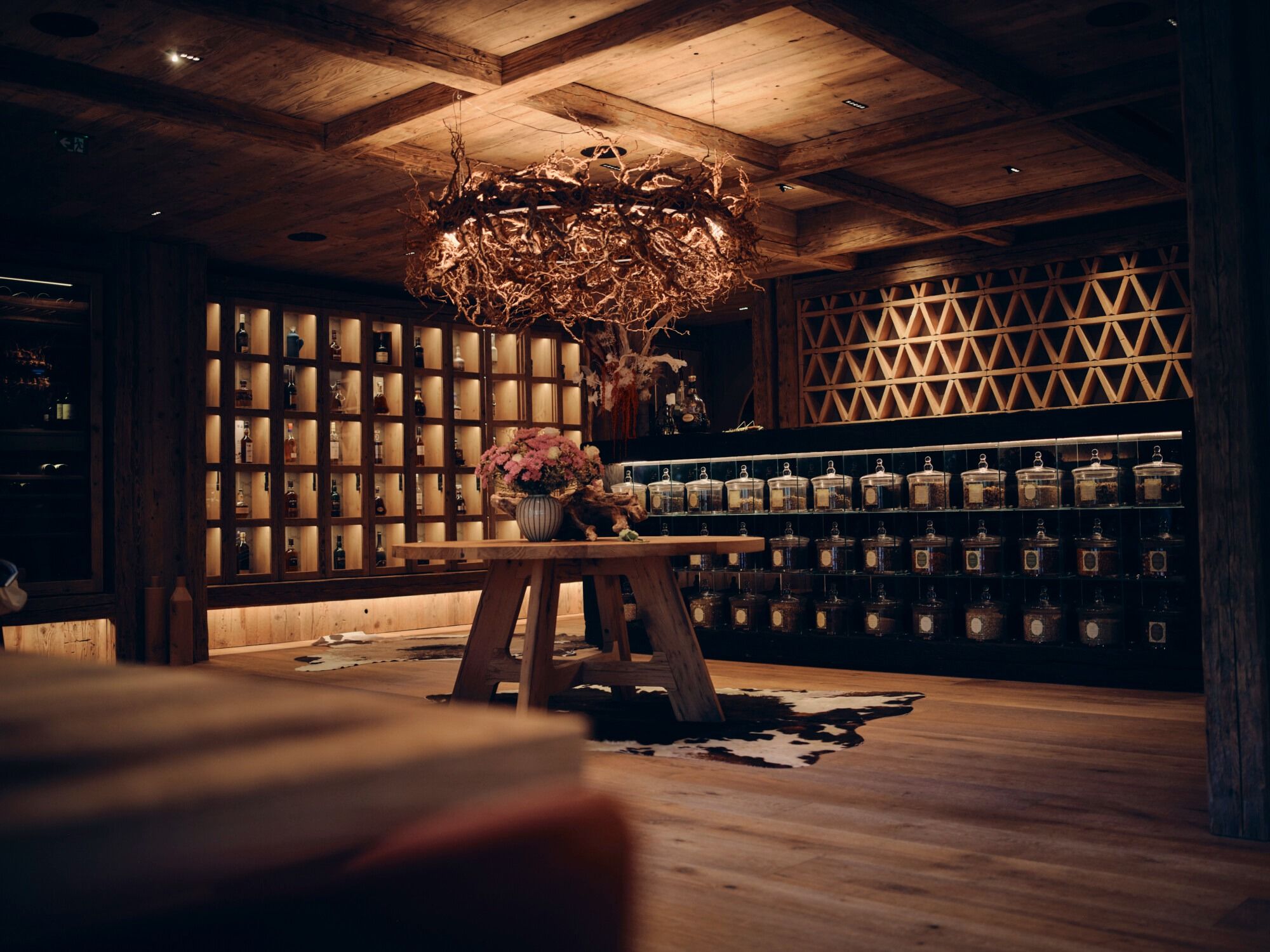
Gourmet Vila Muhr
Bohinjsko jezero
Guesthouse Les
Brežice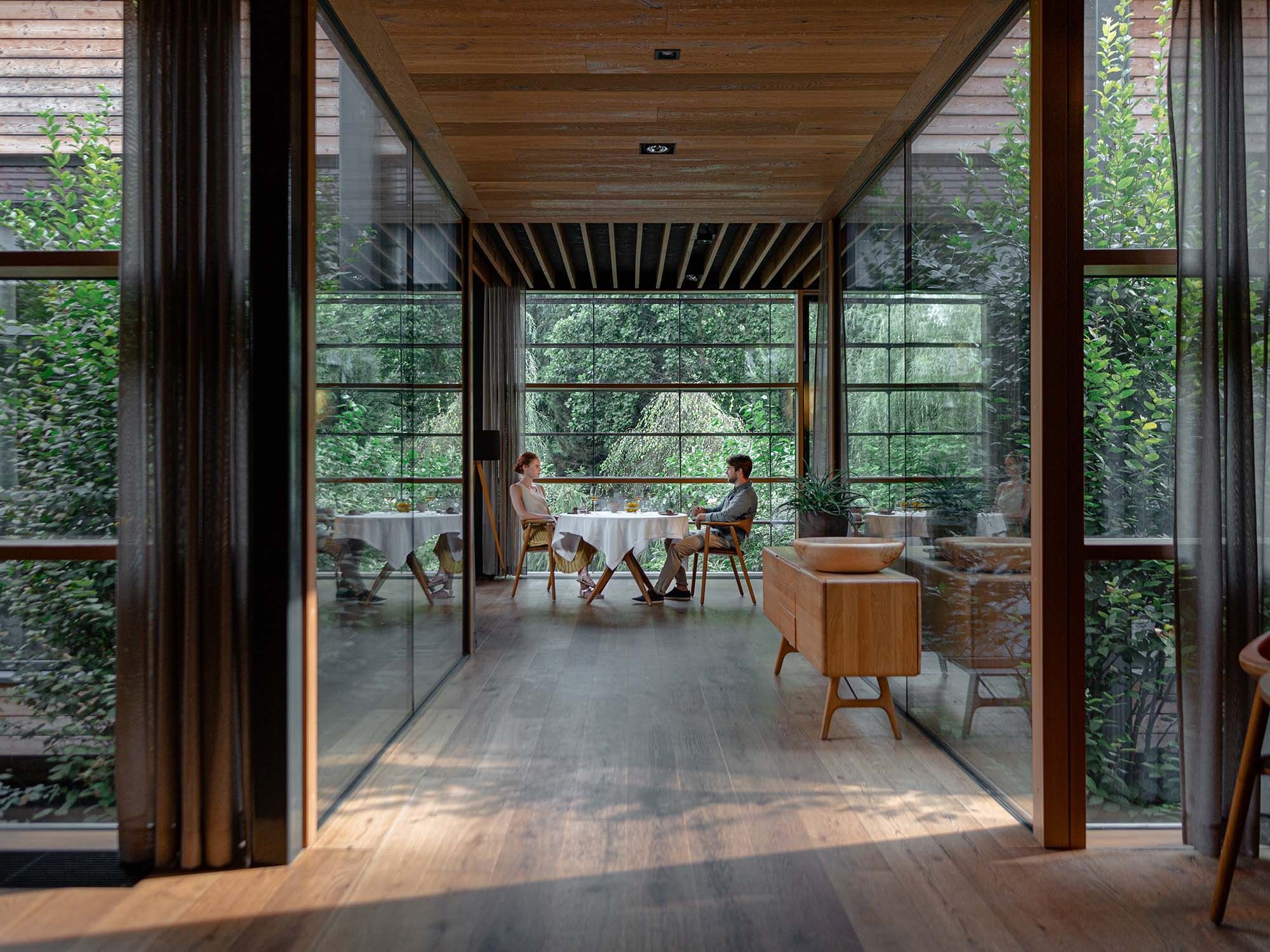
Hiša Denk
Zgornja Kungota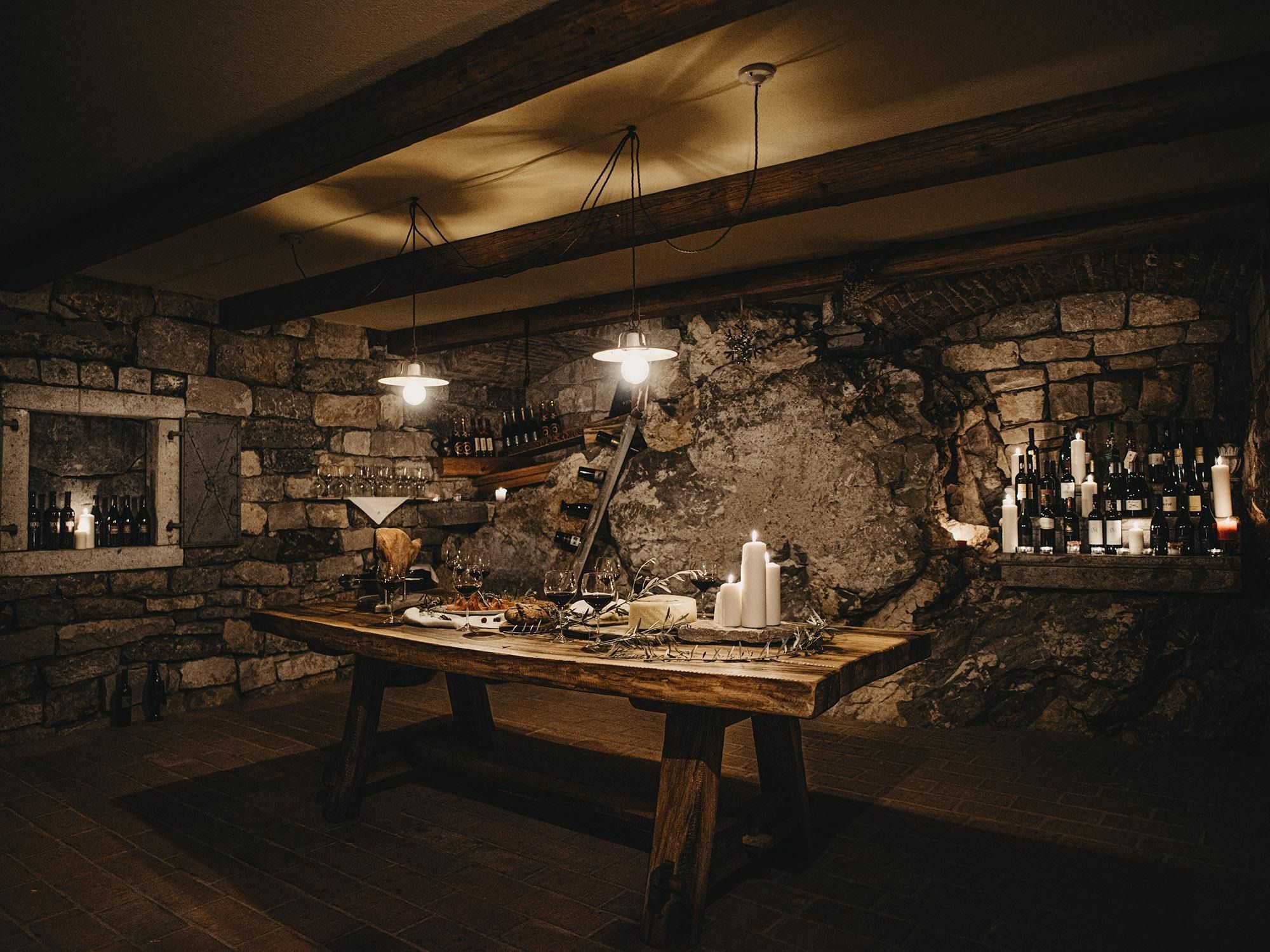
Hiša Krasna
Lokev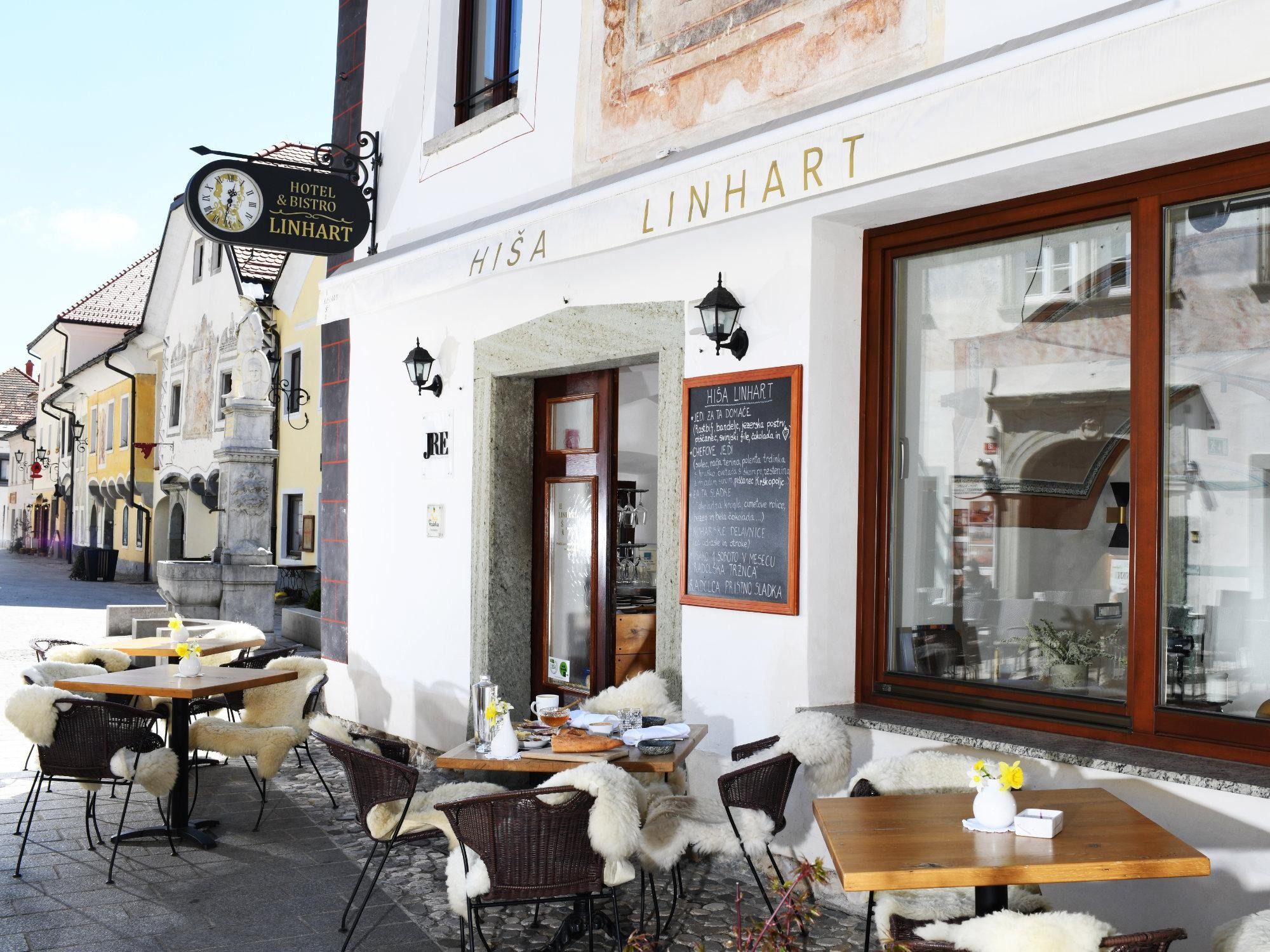
Hiša Linhart
Radovljica
Hotel & Restaurant Bela krajina
Metlika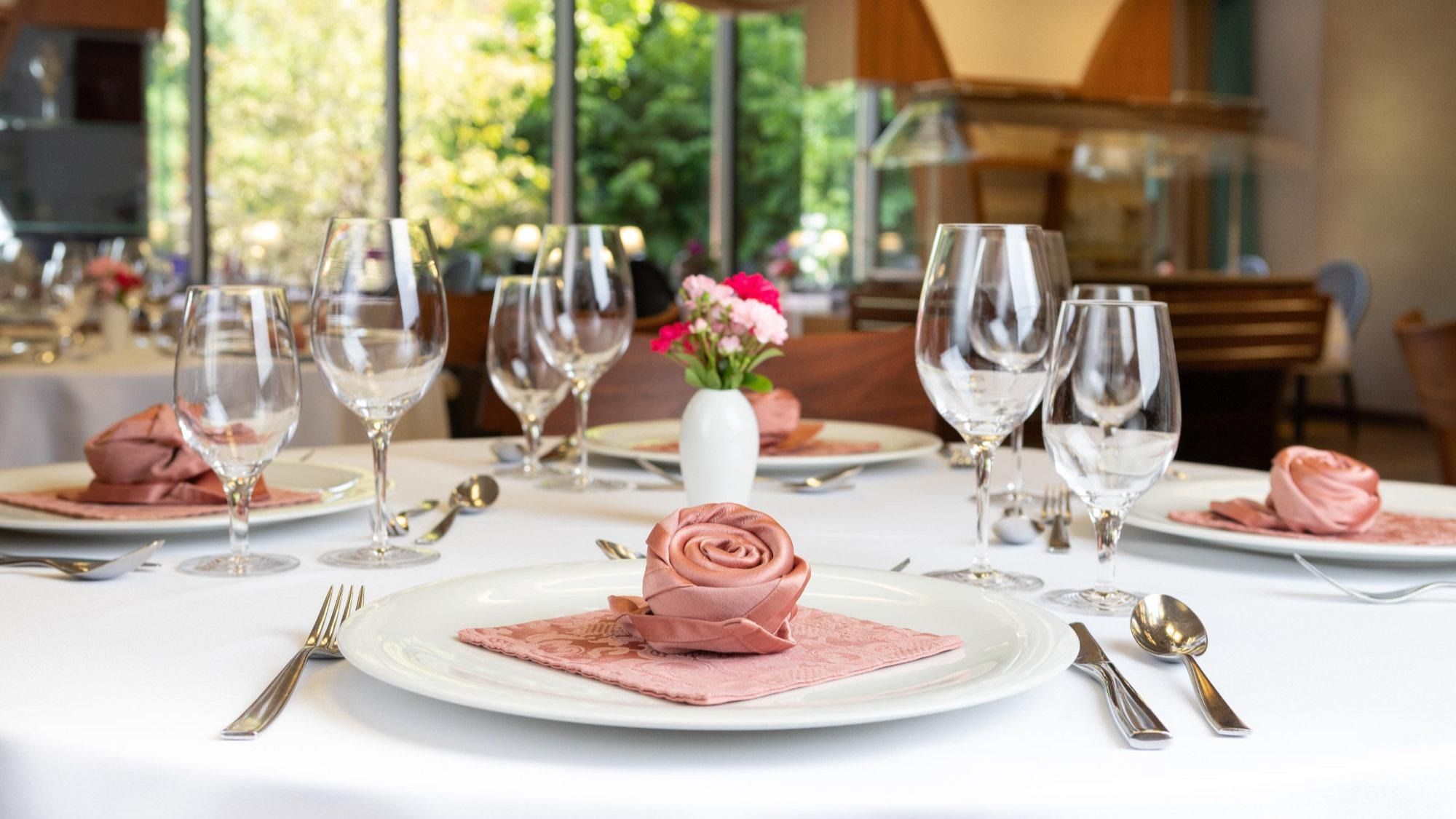
Jožef
Idrija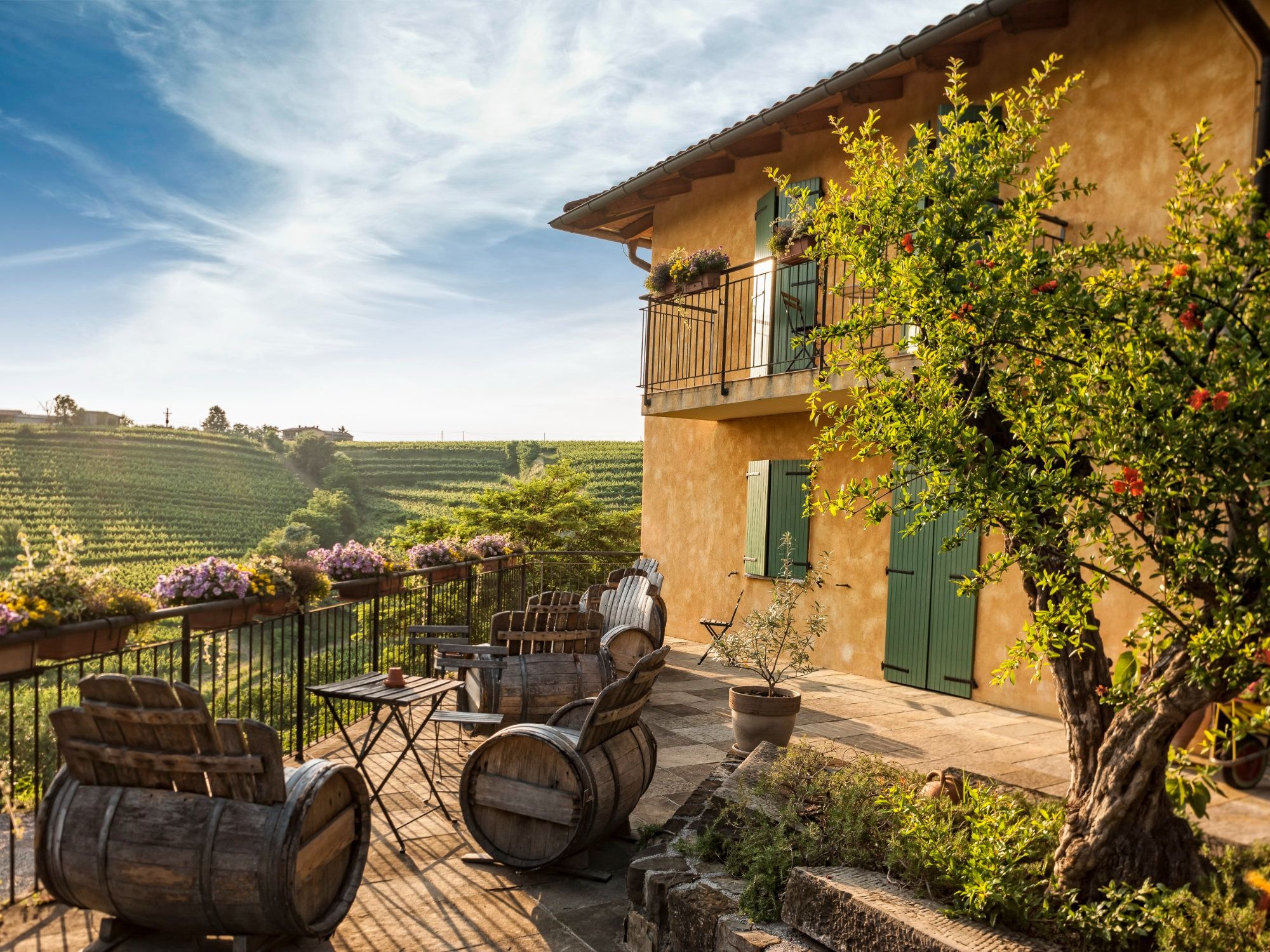
Kabaj Homestead
Dobrovo v Brdih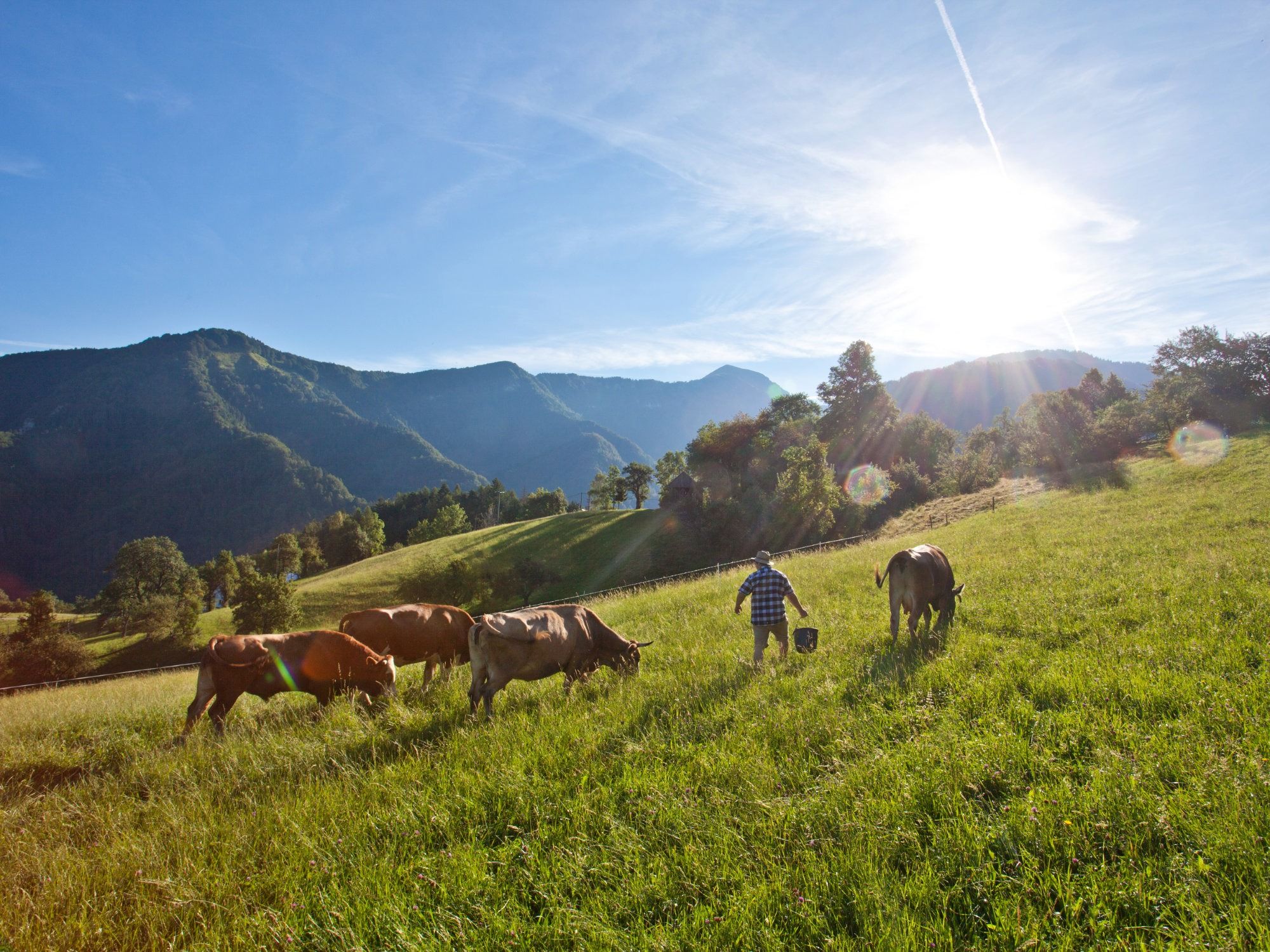
Pri Flandru Tourist Farm
Cerkno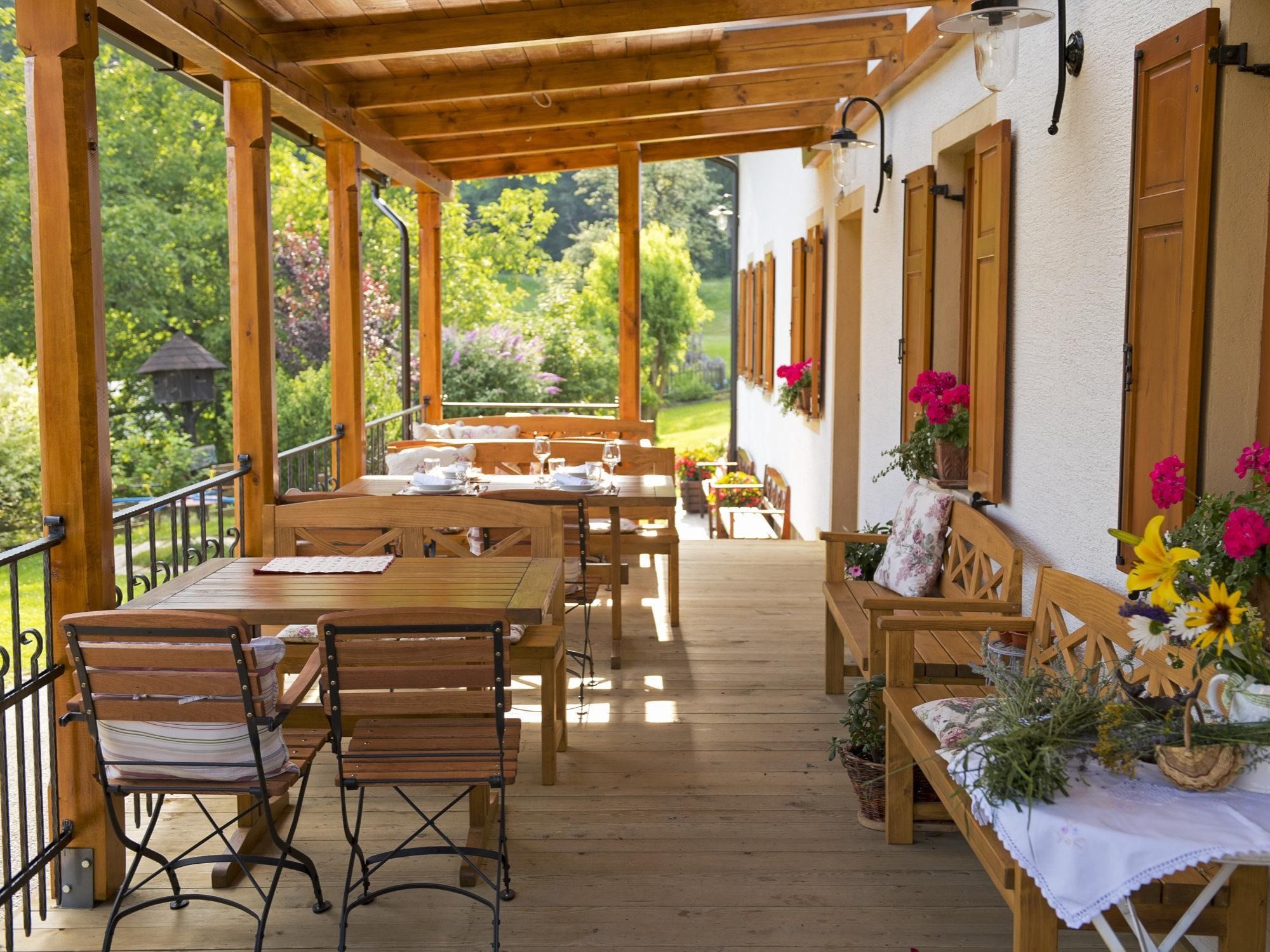
Pri Kovačniku tourist farm
Fram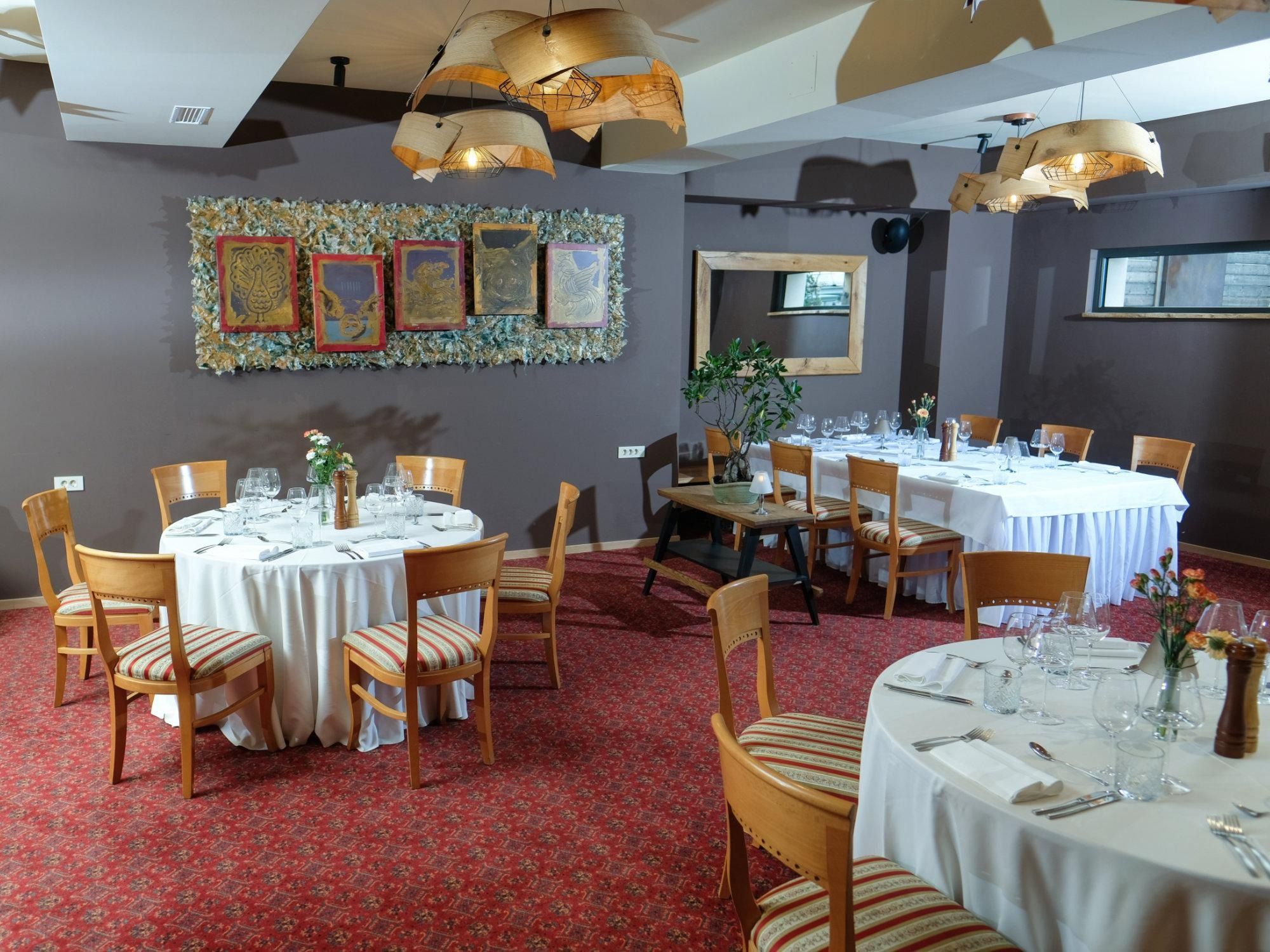
Restaurant and Hotel Kunst
Leskovec pri Krškem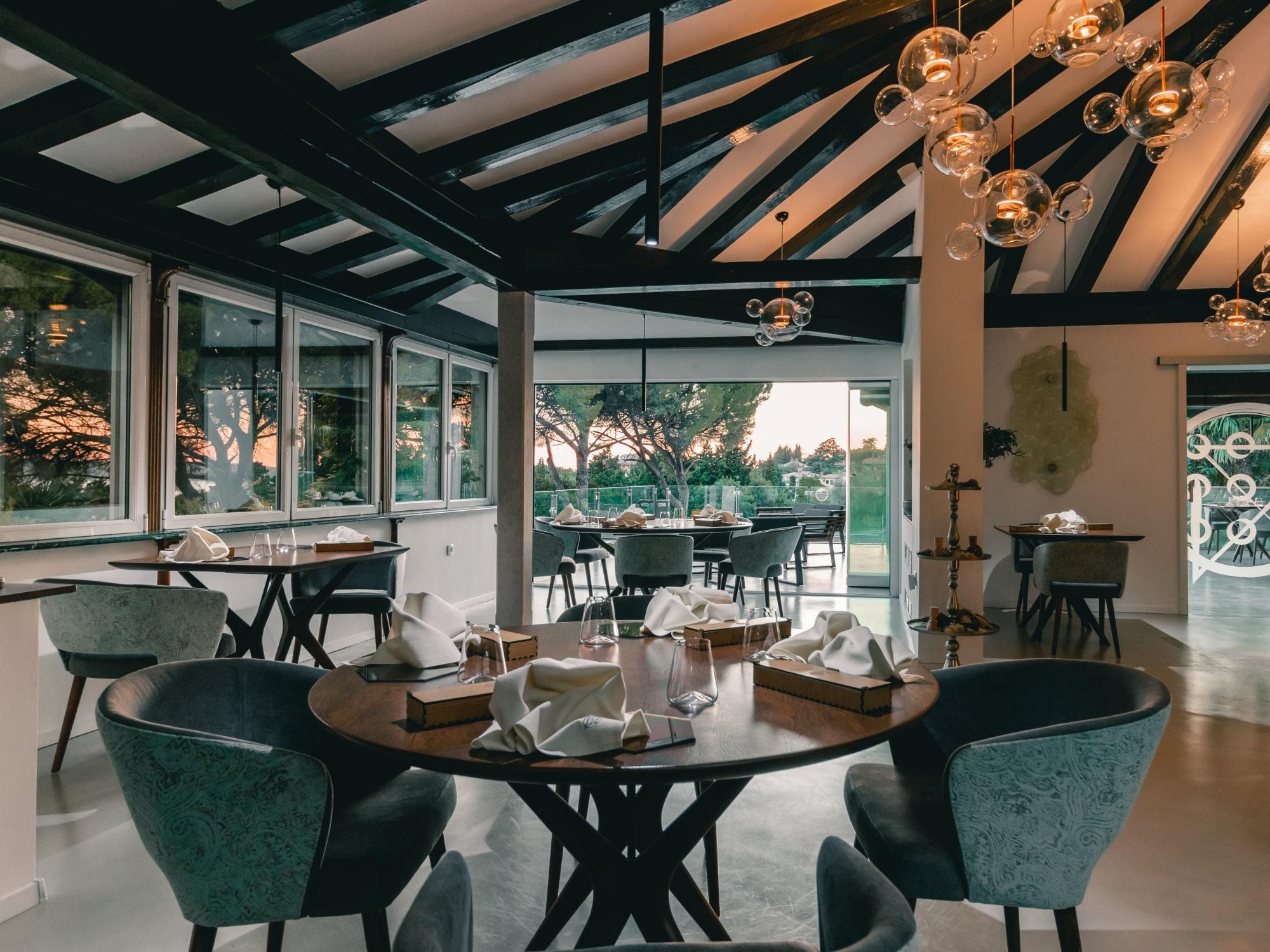
Restaurant COB
Portorož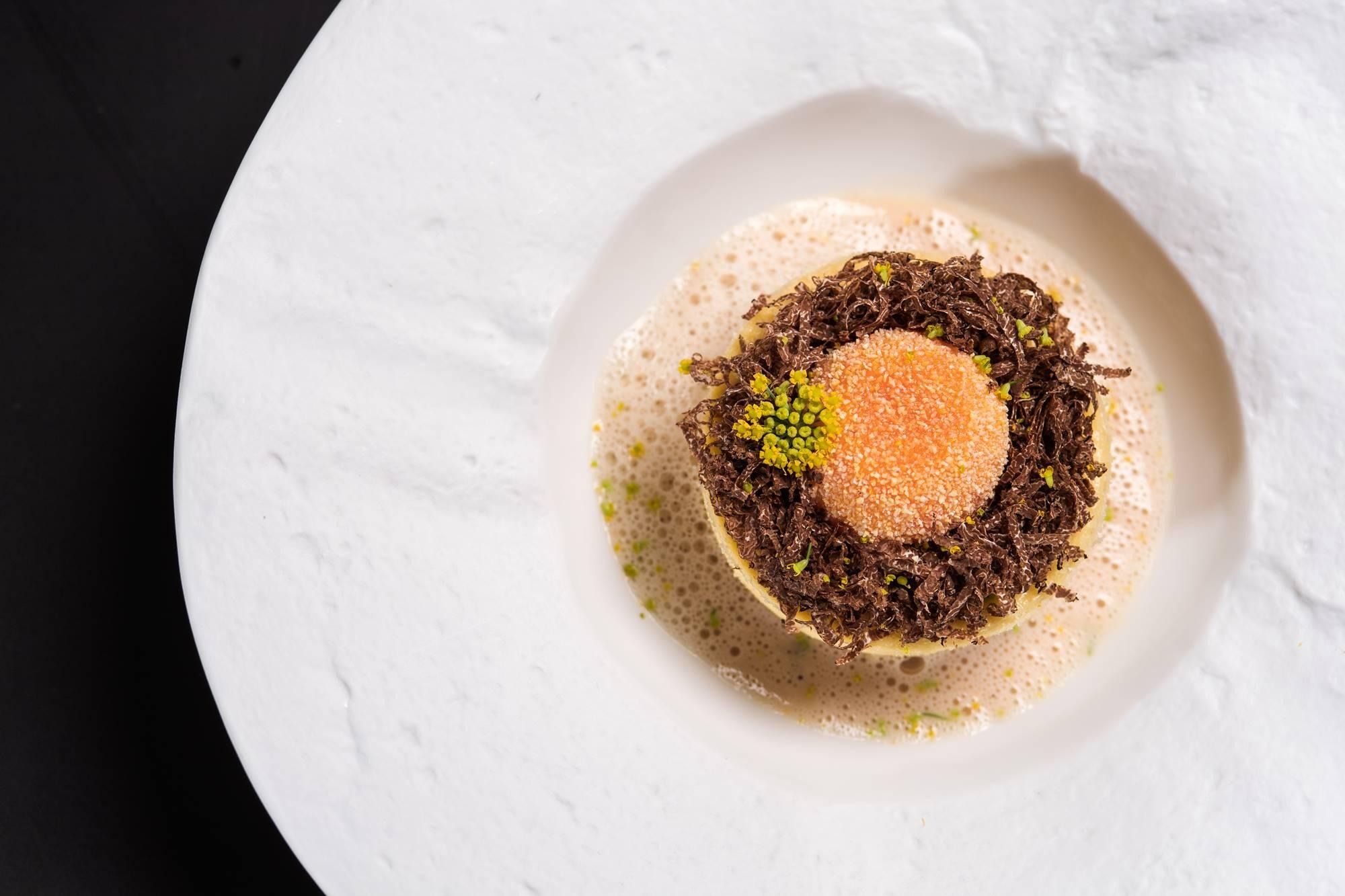
Restaurant Mahorčič
Kozina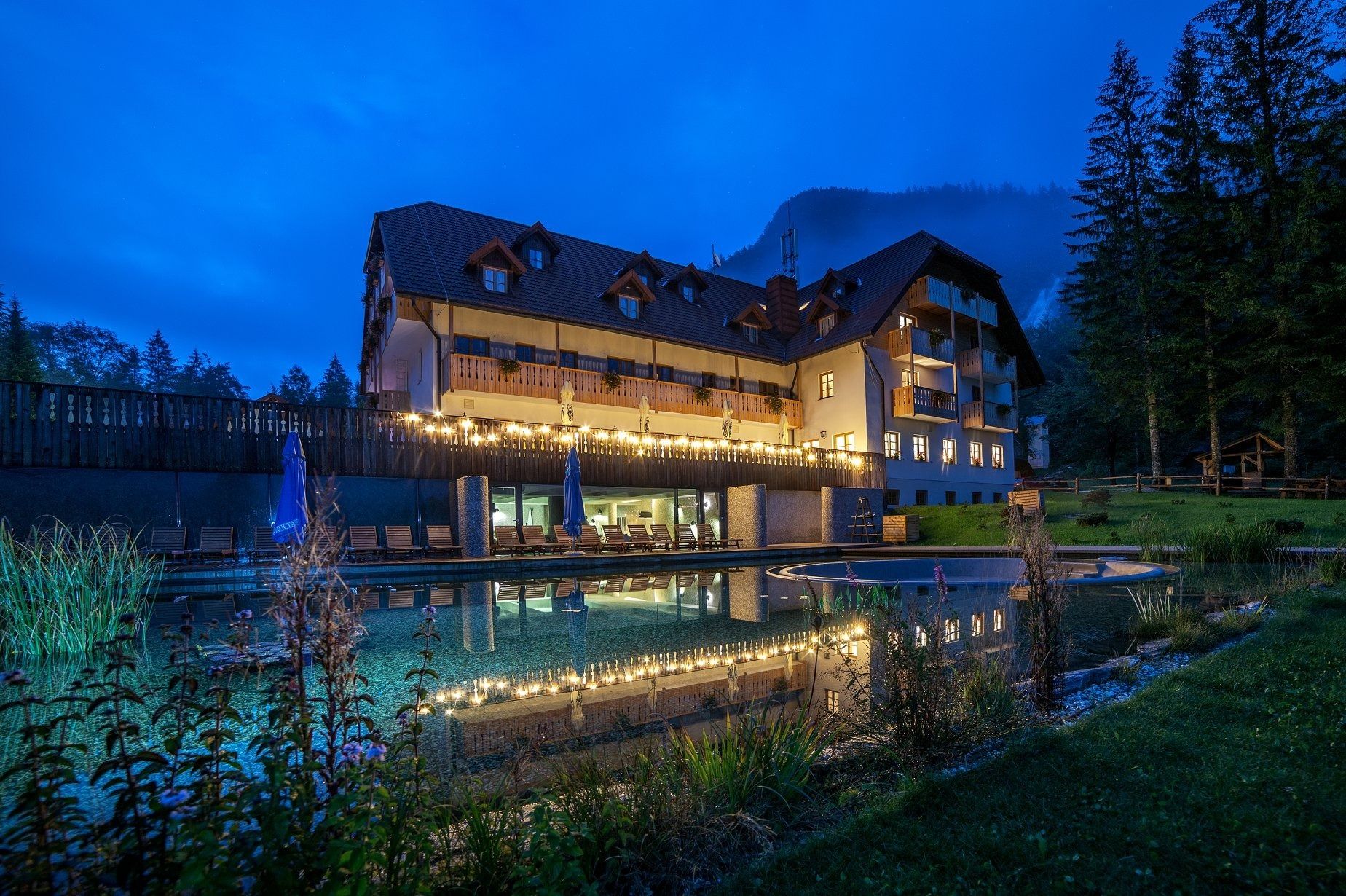
Restaurant Plesnik
Solčava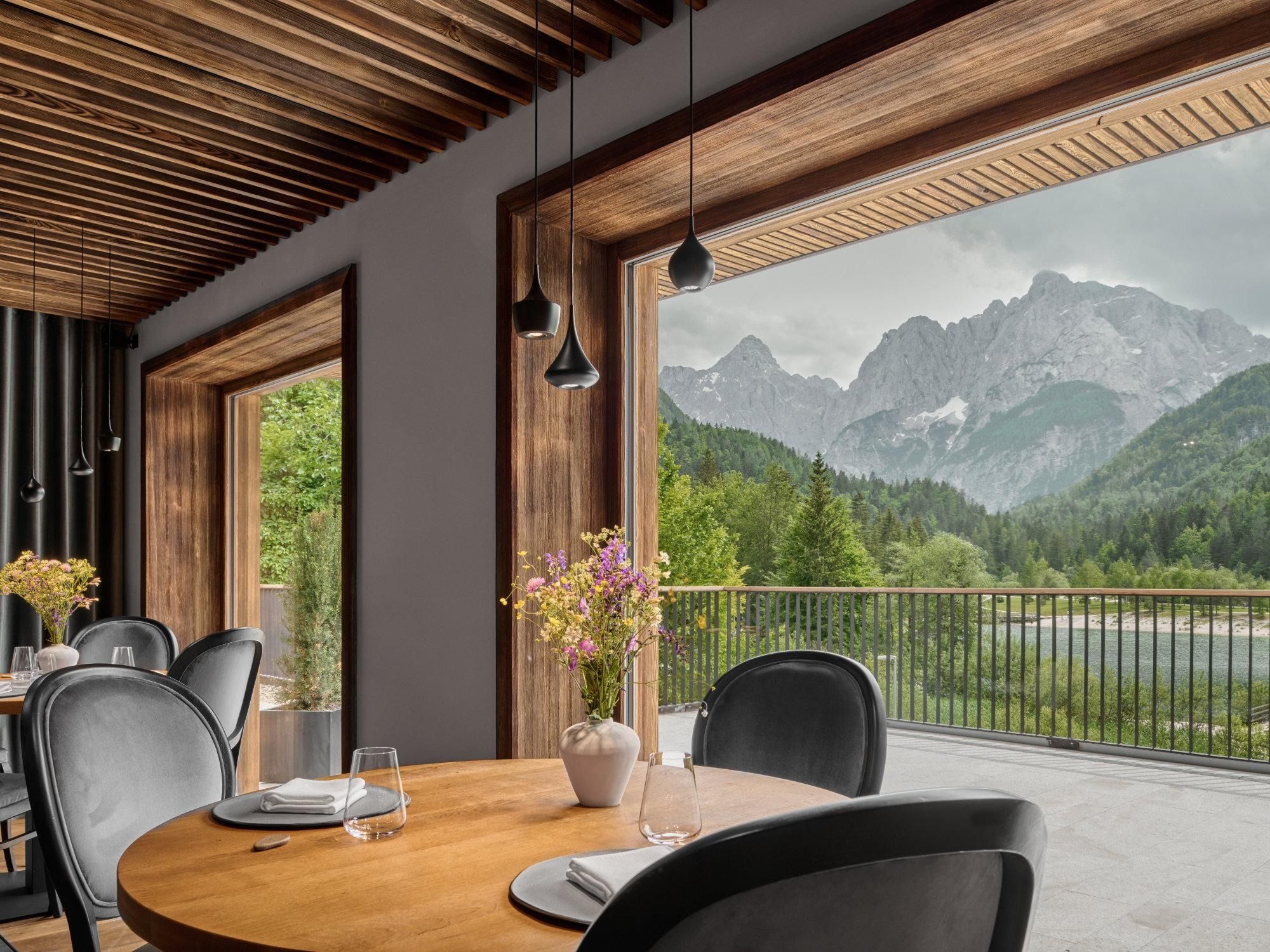
Restavracija Milka
Kranjska Gora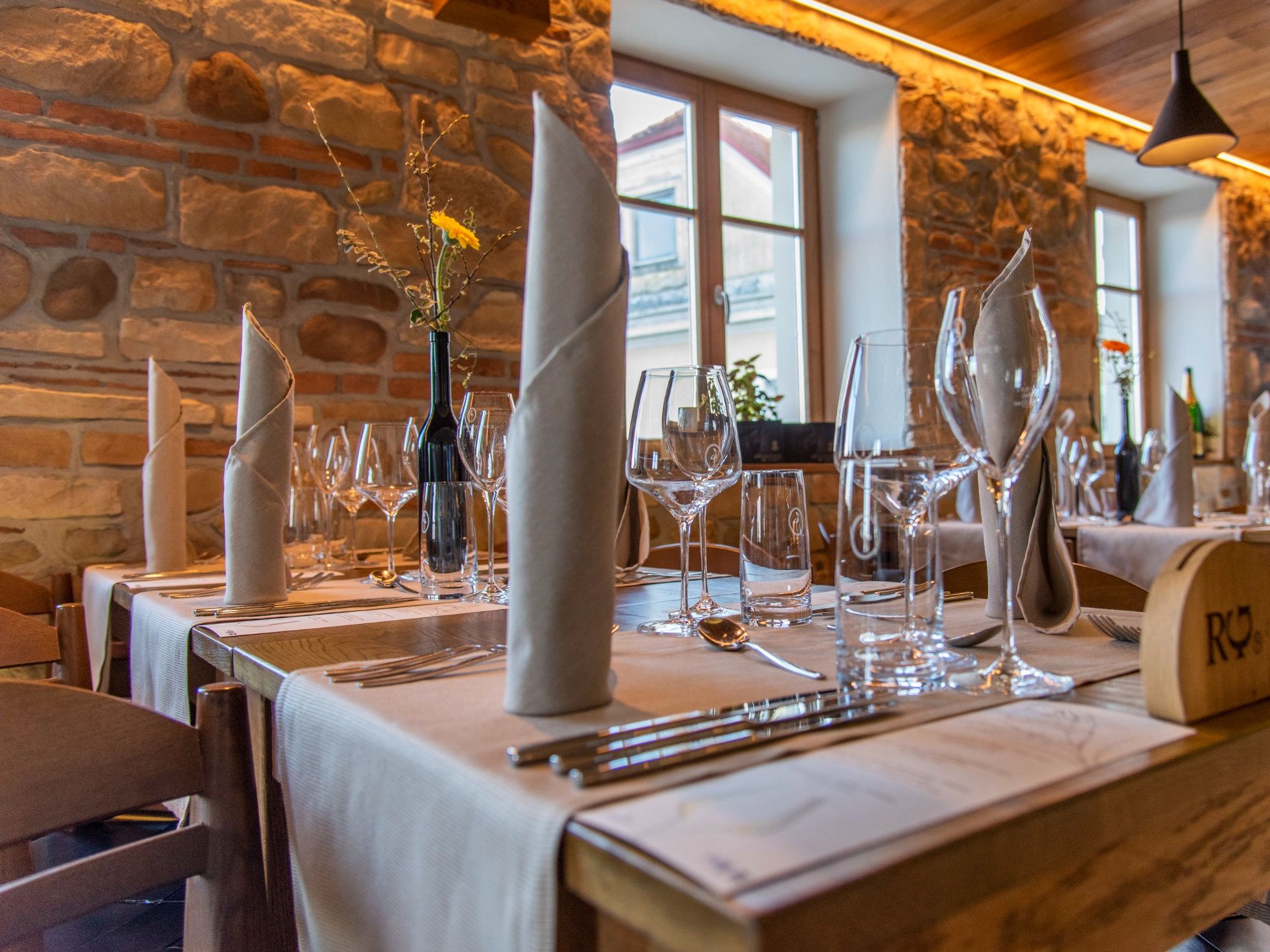
RG bistro
Gornja Radgona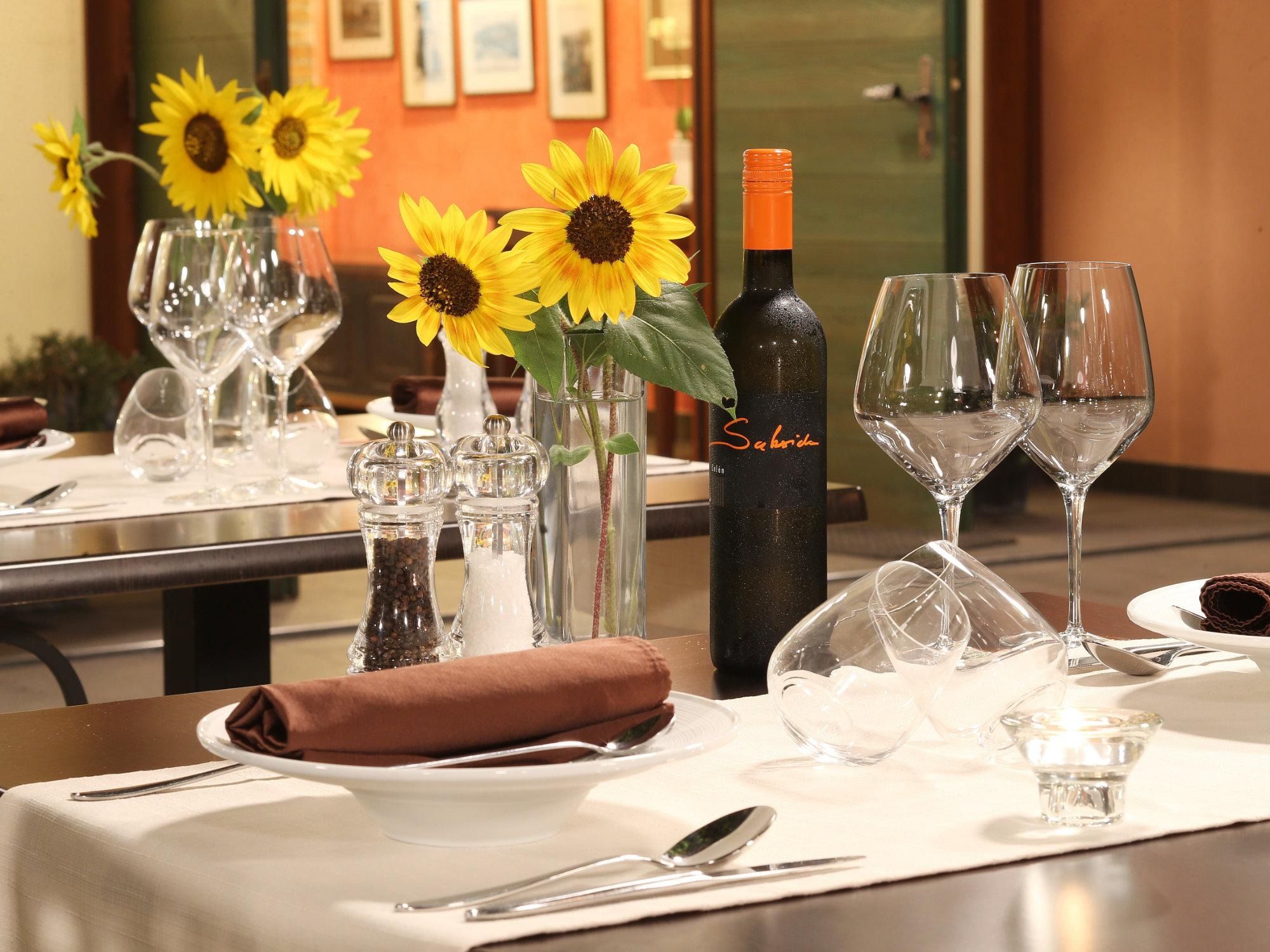
Saksida Estate
Dornberk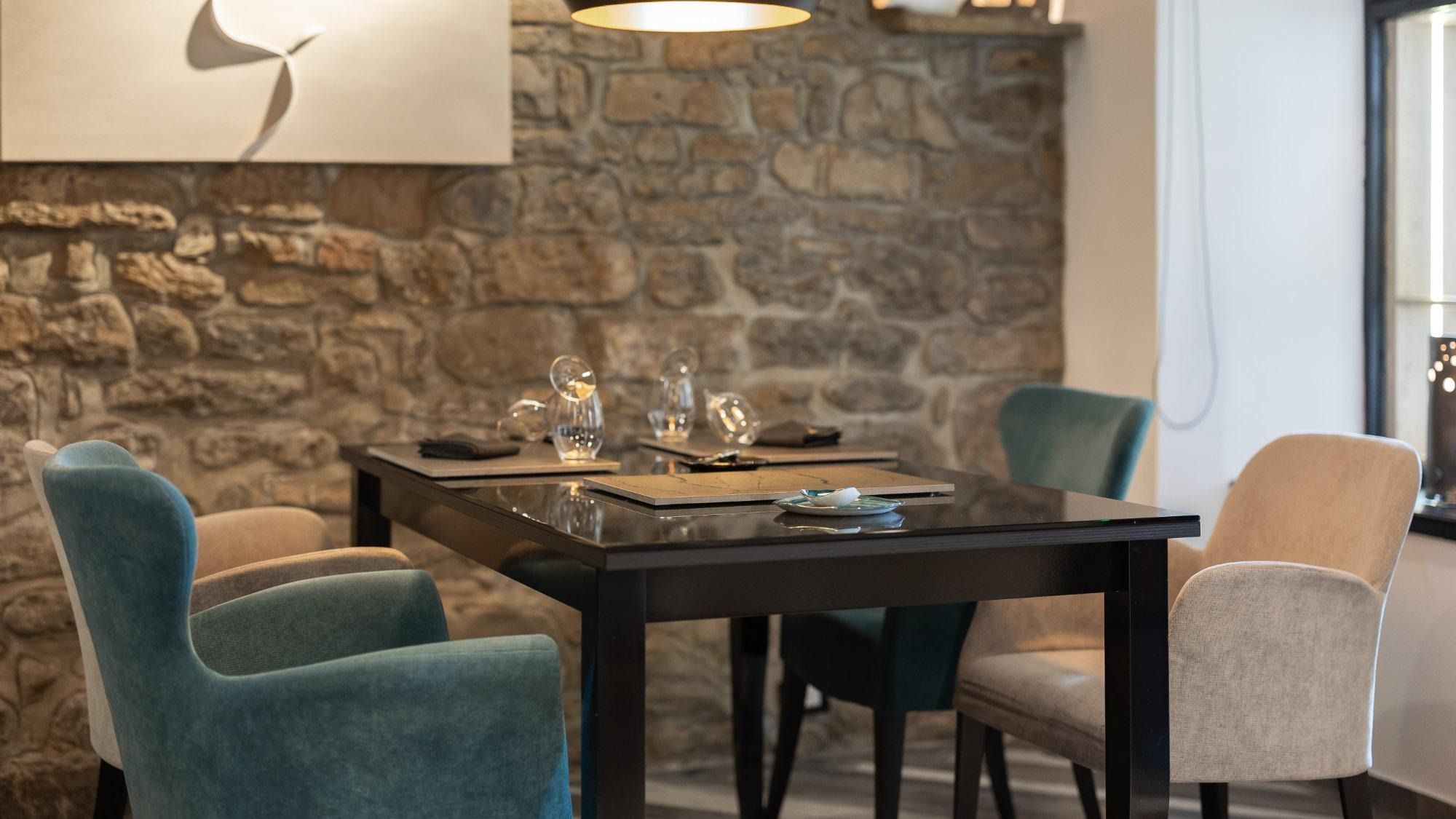
Stara gostilna
Piran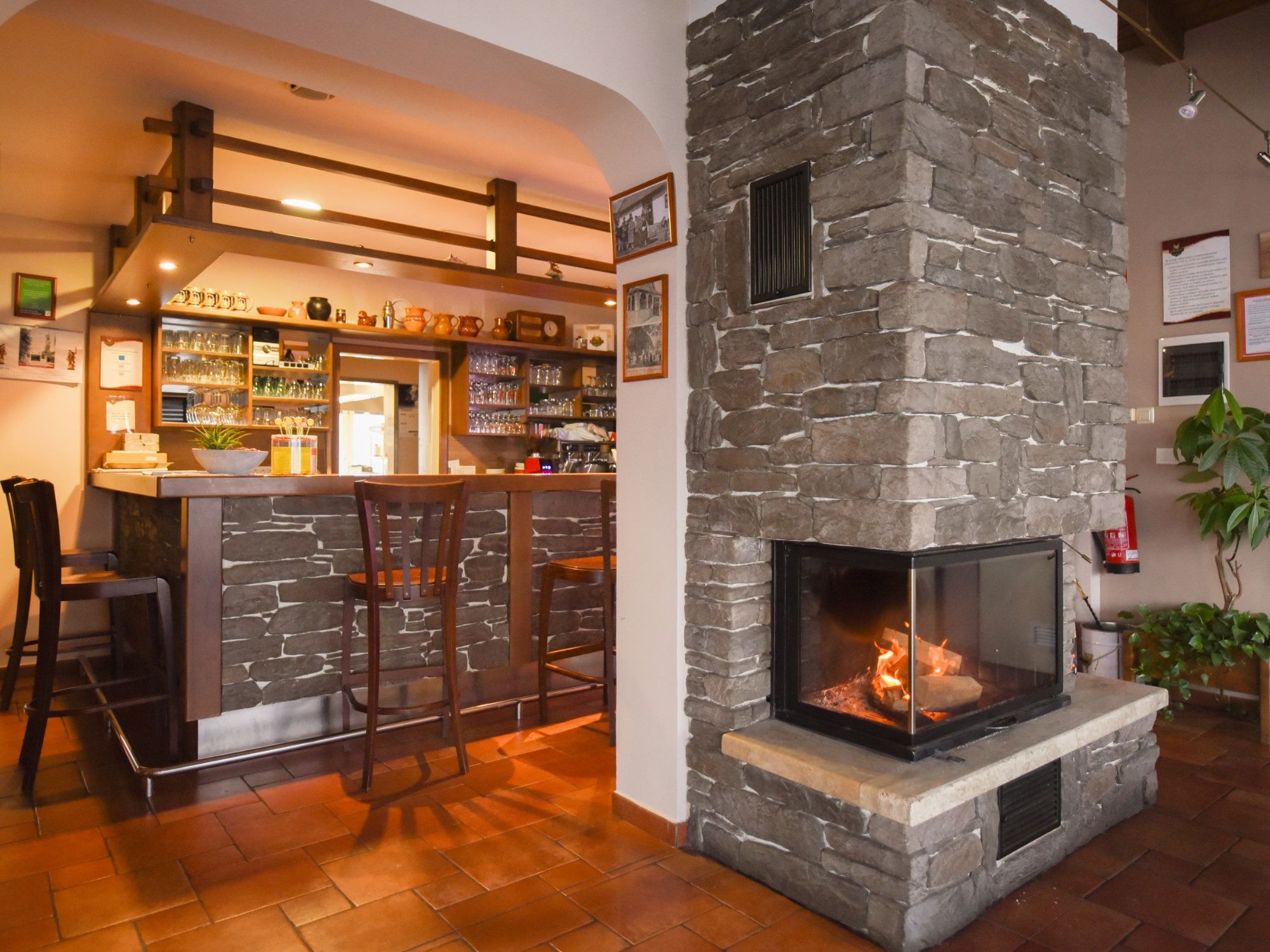
Stara gostilna Krulc
Dobova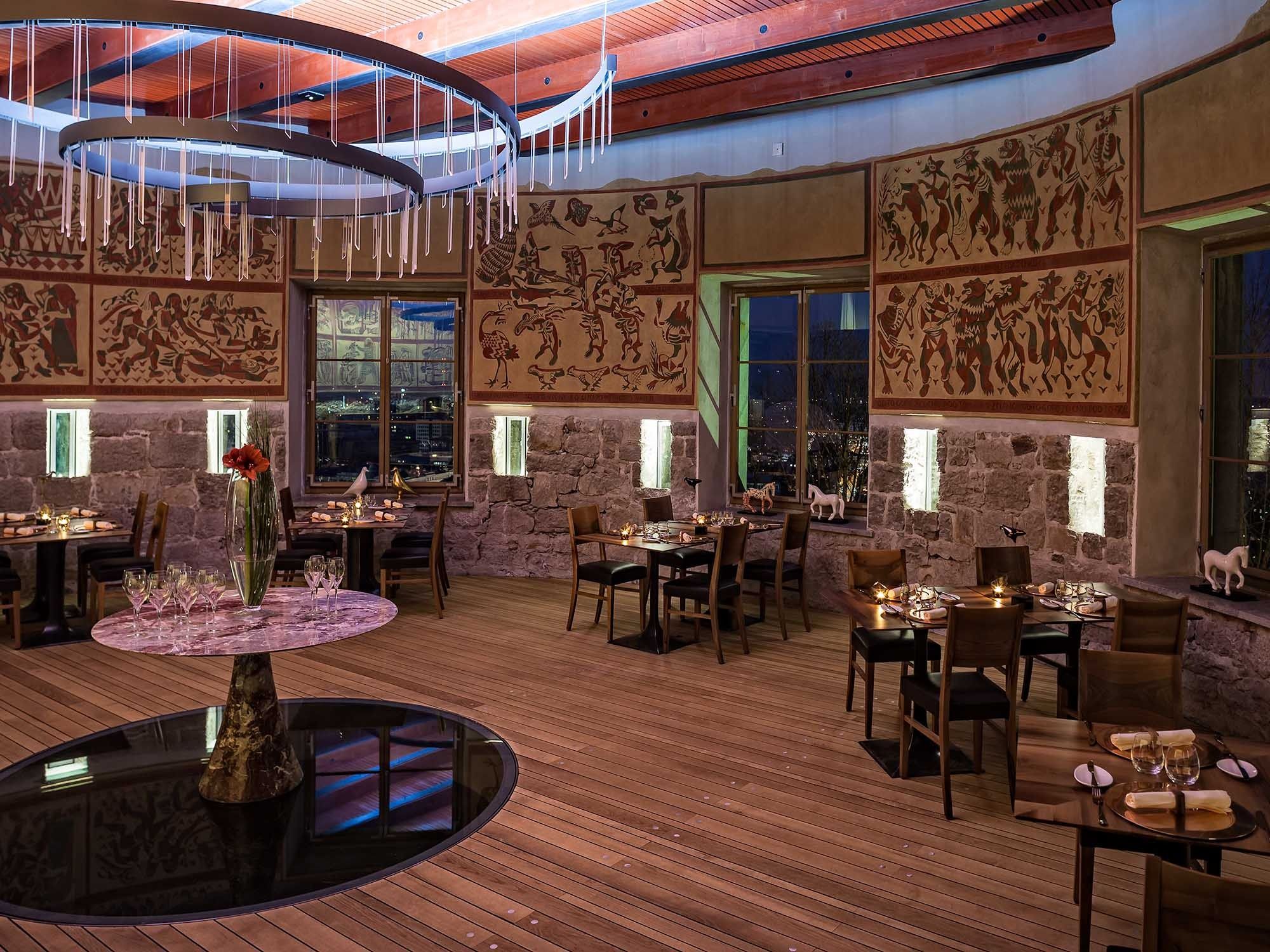
Strelec Restaurant
Ljubljana
Sunrose 7 Restaurant Bohinj
Bohinjska Bistrica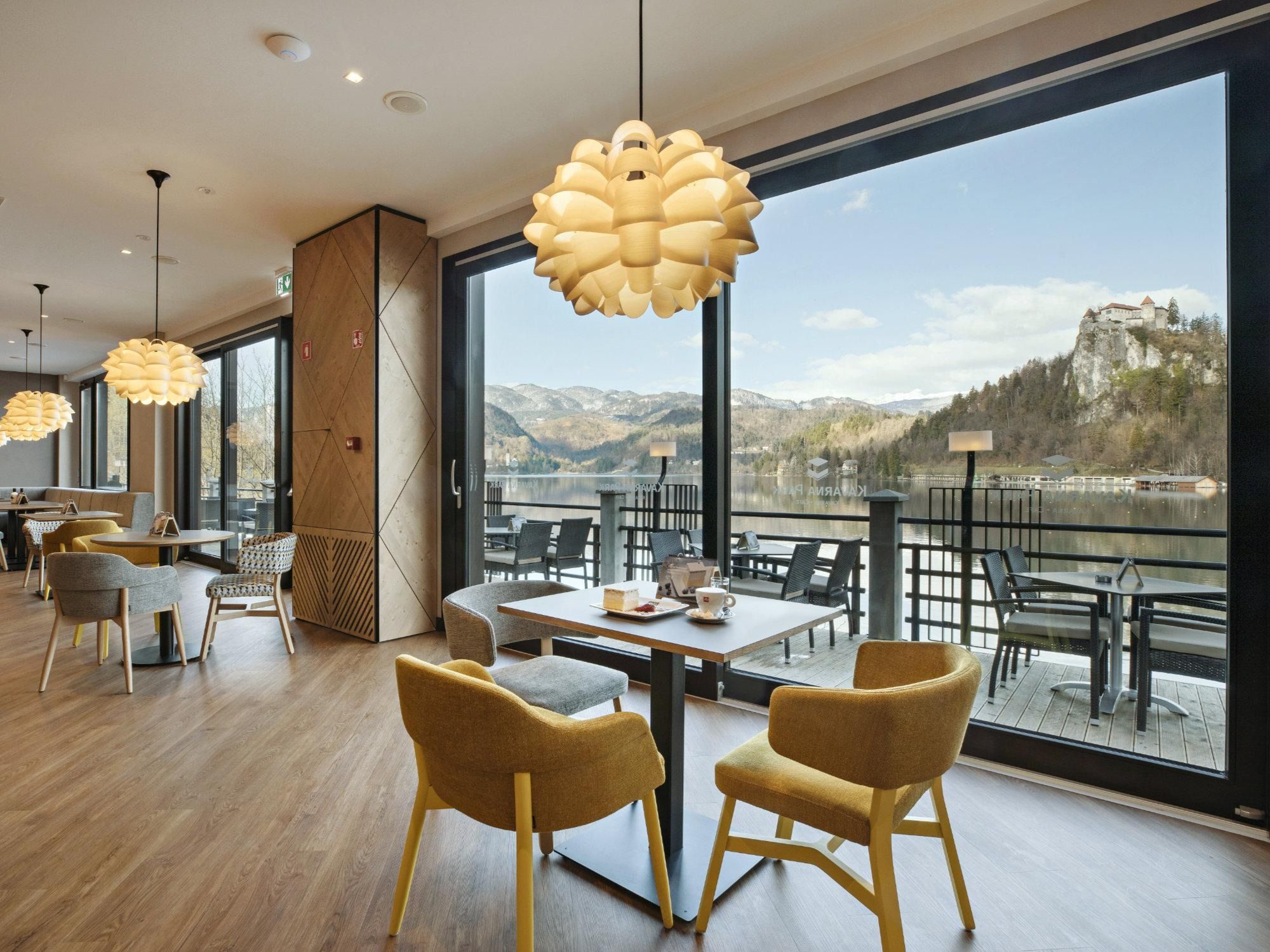
The Park Café
Bled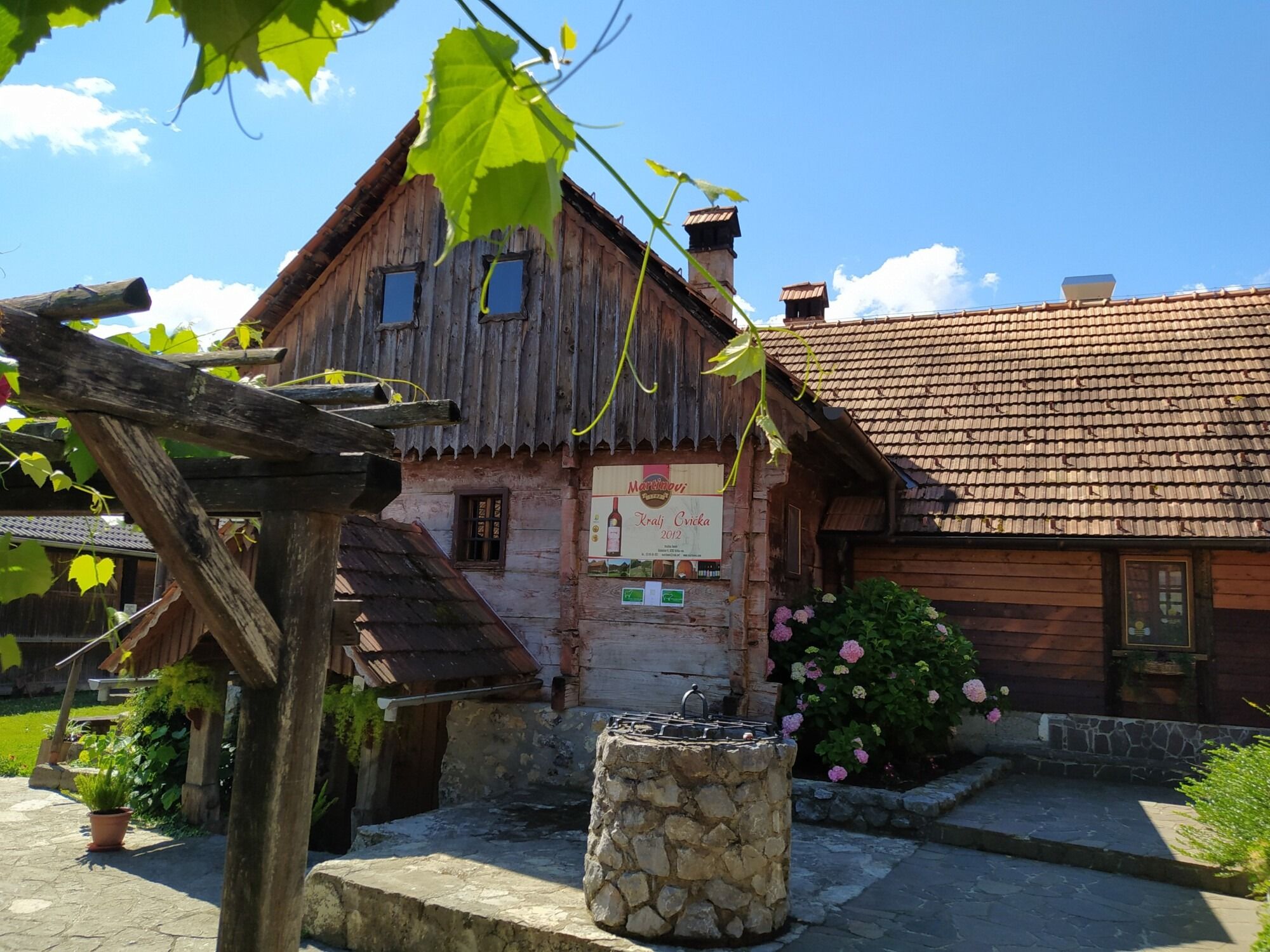
Tourist farm Pri Martinovih
Krška vas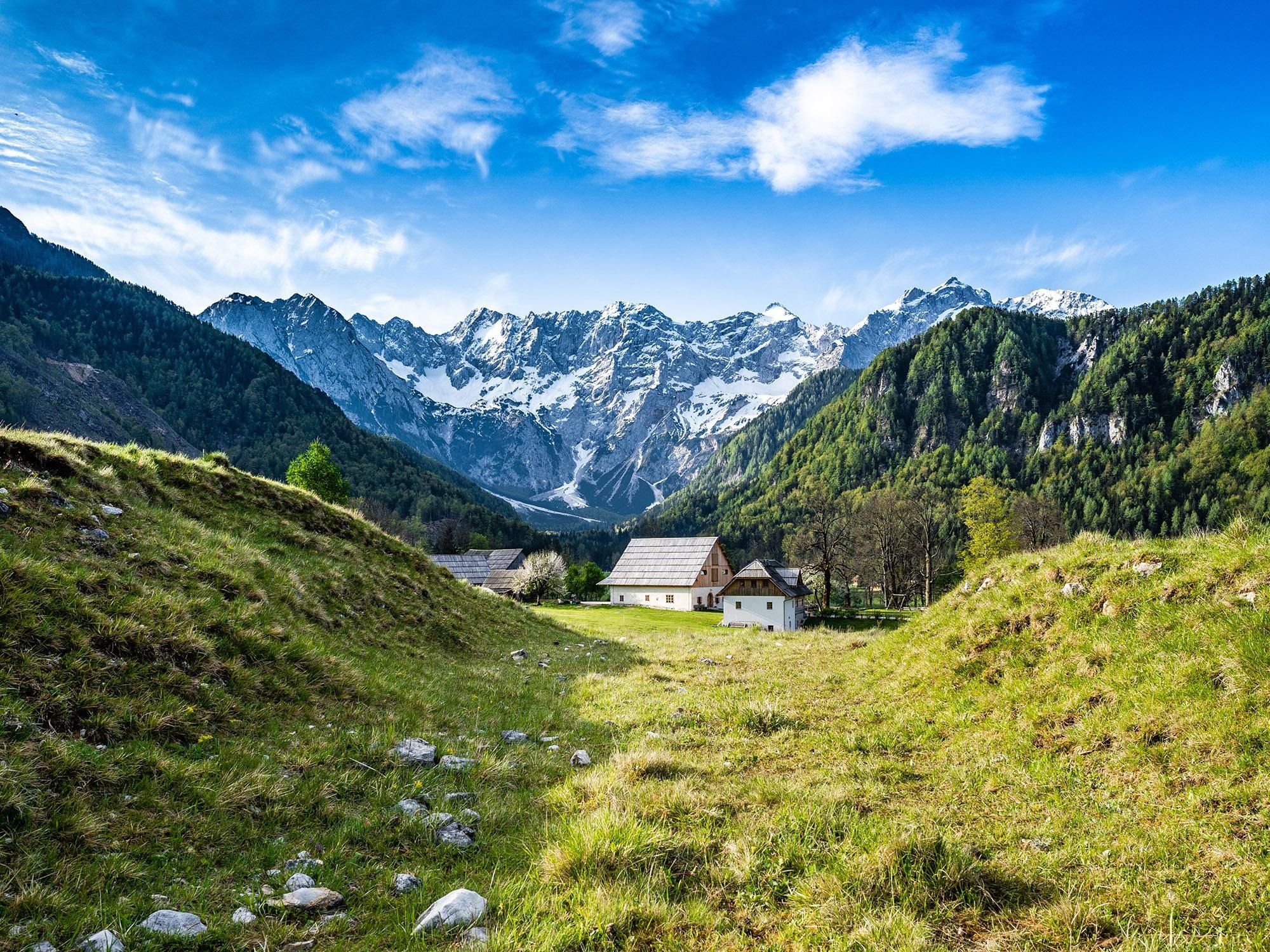
Tourist farm Šenk’s homestead
Zg. Jezersko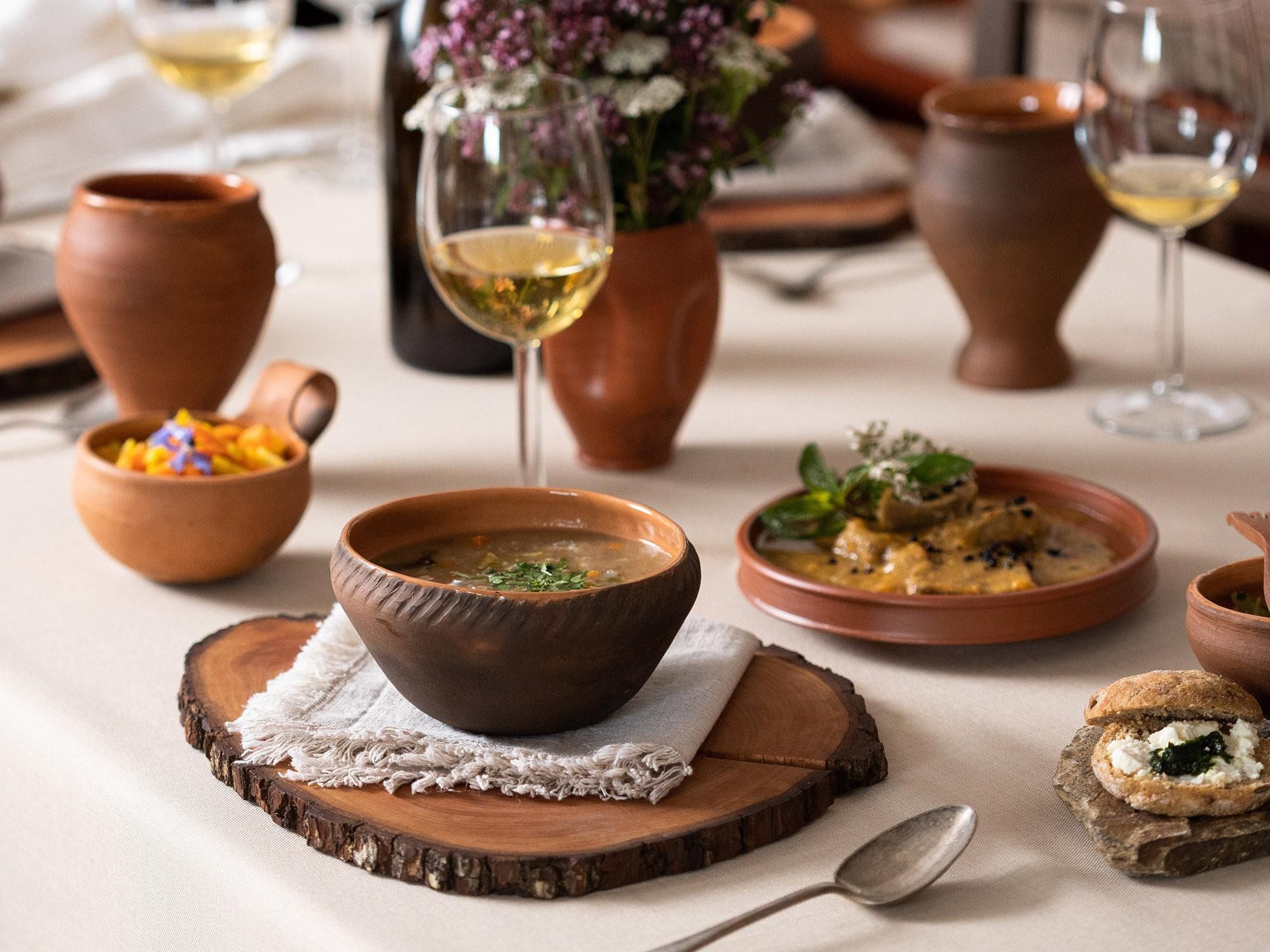
Tourist organic farm Pri Baronu
Fram
Triangel Restaurant
Gozd Martuljek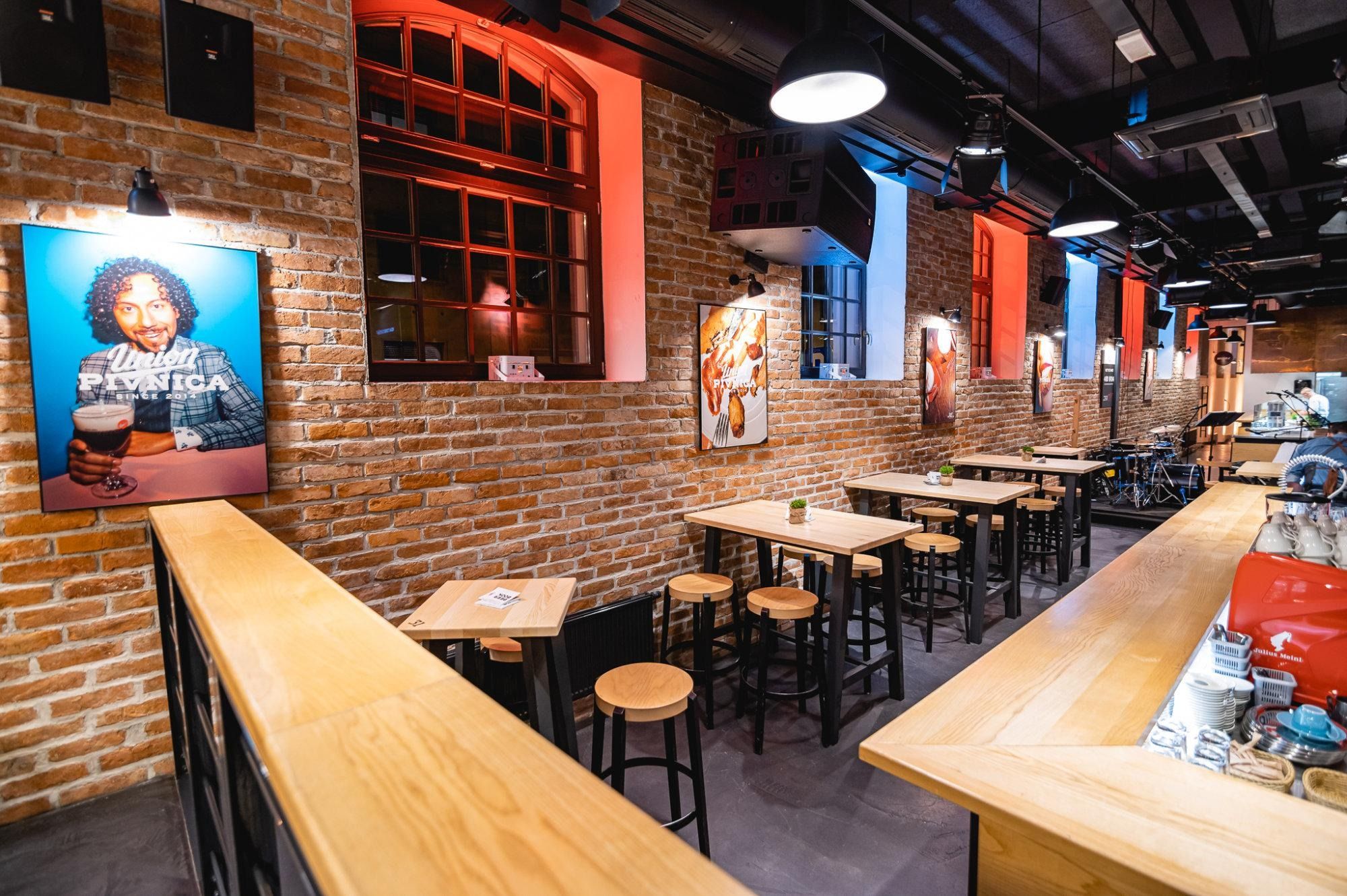
Union Pub
Ljubljana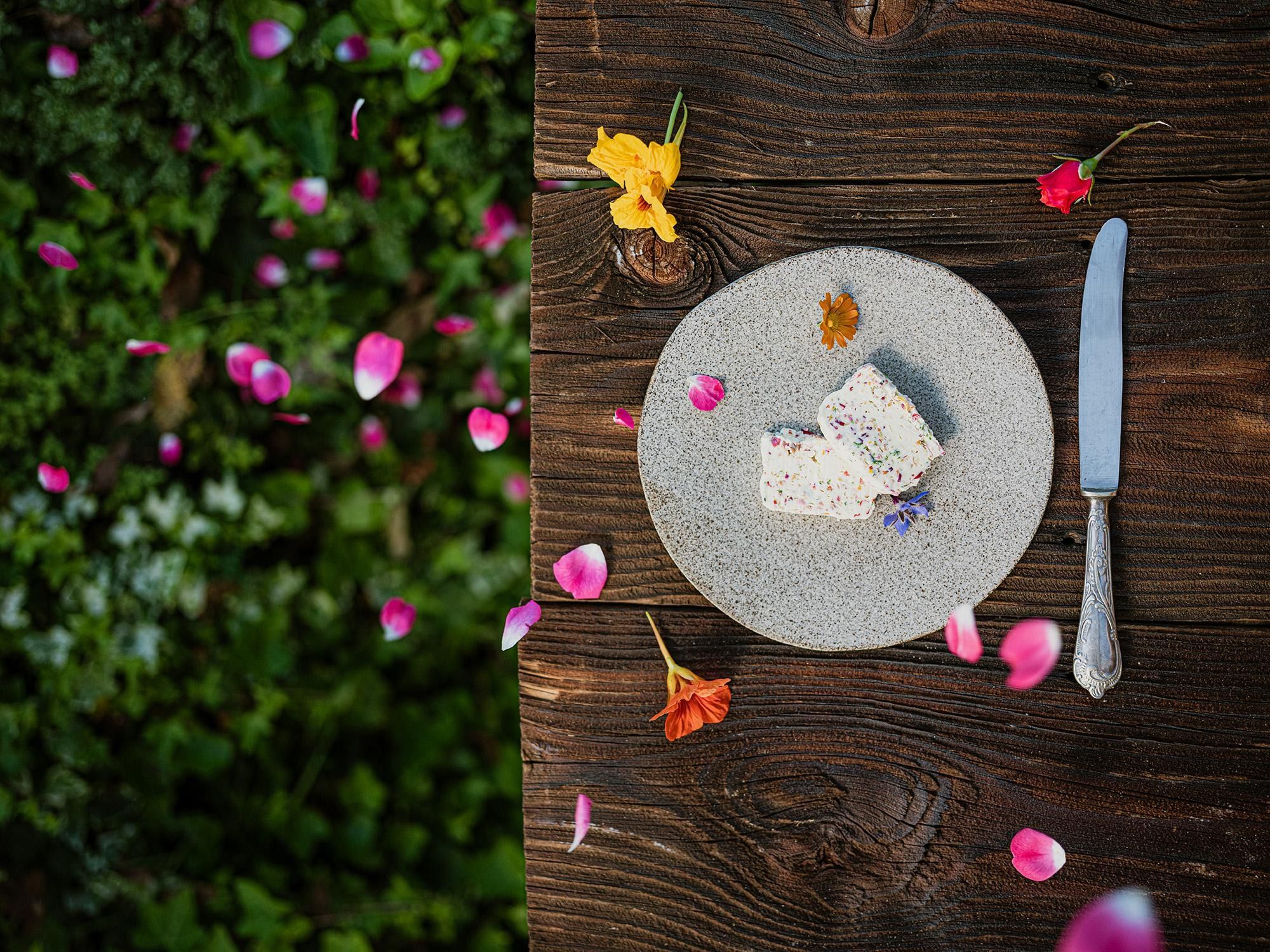
Urška Tourist Farm
Stranice
Vila Planinka
Zgornje Jezersko