Discover the flavours of Slovenia
Taste the dishes, foods, and drinks of Slovenia!
Where the variety of regions is reflected in the richness of flavour
Slovenian dishes taste very different by the seaside than below the Alpine peaks, and the Pannonian basin grows different products than the Karst plateau. Wherever you go, you can discover how the nature and culture have intertwined in a plate full of traditional, centuries-old regional dishes. In Slovenian kitchens, the abundance of nature is transformed into incredible and unforgettable dishes.
Our dishes are made from fresh products, and we know exactly how each ingredient came from its source to our table. The variety of natural environments has gifted us with a variety of products that even the best restaurant chefs love to incorporate into their dishes. They also love to spice things up with wild, foraged foods. Slovenian cuisine has developed from local traditions and local ingredients.
The typical Slovenian dishes, food items, and drinks, more than 400 of them, are divided into 24 Slovenian gastronomic regions, and presented in the form of a gastronomic pyramid. We have included all dishes from different times and eaten by different social groups. The most typical dish, food, and drink of each region are at the top of the pyramid.
Four different worlds, four tourist macro-destinations
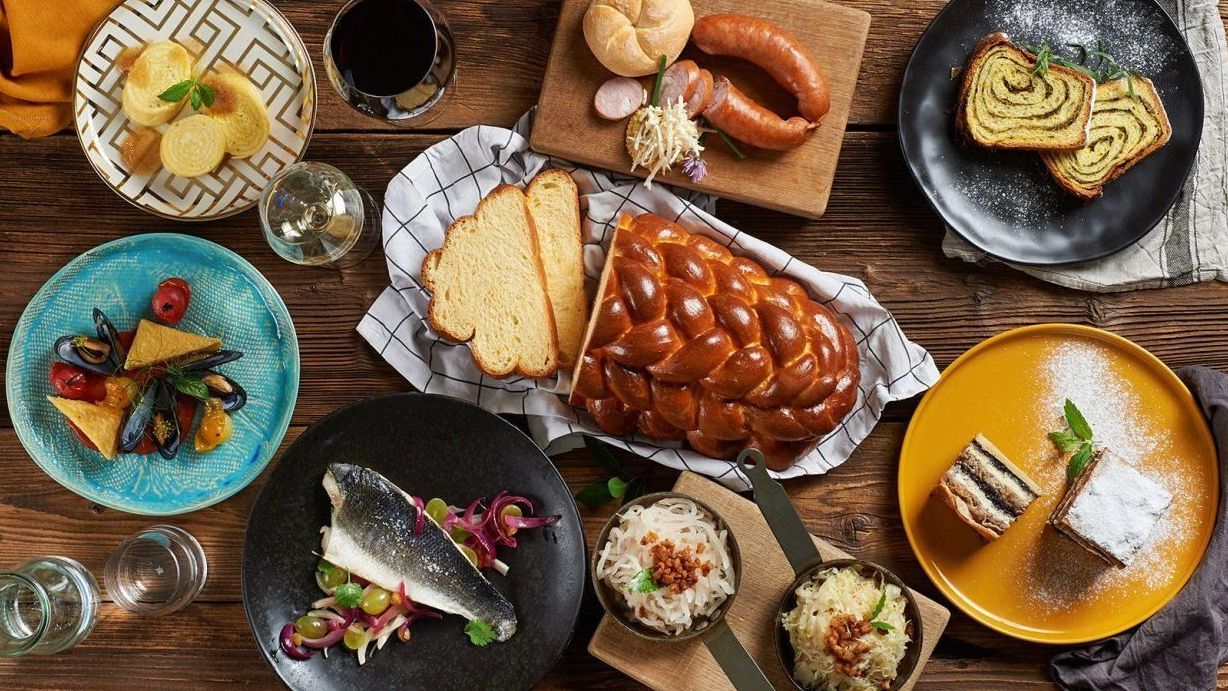
The Alpine part of Slovenia will surprise you with delicacies from the mountain pastures, the Mediterranean dishes showcase the products of the traditional salt marshes, and the Karst cured meats are matured in the strong Bora winds. The Thermal Pannonian Slovenia region is known for its healing thermal water, but also for its flour-based dishes and breads, while Ljubljana and the Central Slovenia region proudly presents the walnut potica and its unique dishes with international influence. We sorted through this bounty of culinary delicacies, and selected the most representative dishes, food items, and drinks from the entire country – the top of the Slovenian gastronomic pyramid – though, typically for Slovenia, all of them can be found in several variations.
One of the best-known dishes with several regional and seasonal varieties is the Slovenian potica, the most typical Slovenian dish, which is currently in the process of getting the “traditional specialities guaranteed” EU designation. The foods that best represent our green, healthy, and sustainable country are those that can be foraged or gathered in nature, such as honey, forest fruits and berries, and herbs growing in the meadows and forests. The most typically Slovenian drink is wine, as our three wine-growing areas produce a wide range of wines, including original wines, from 11 autochthonous wine grape varieties.
Where good dishes come from mountain pastures
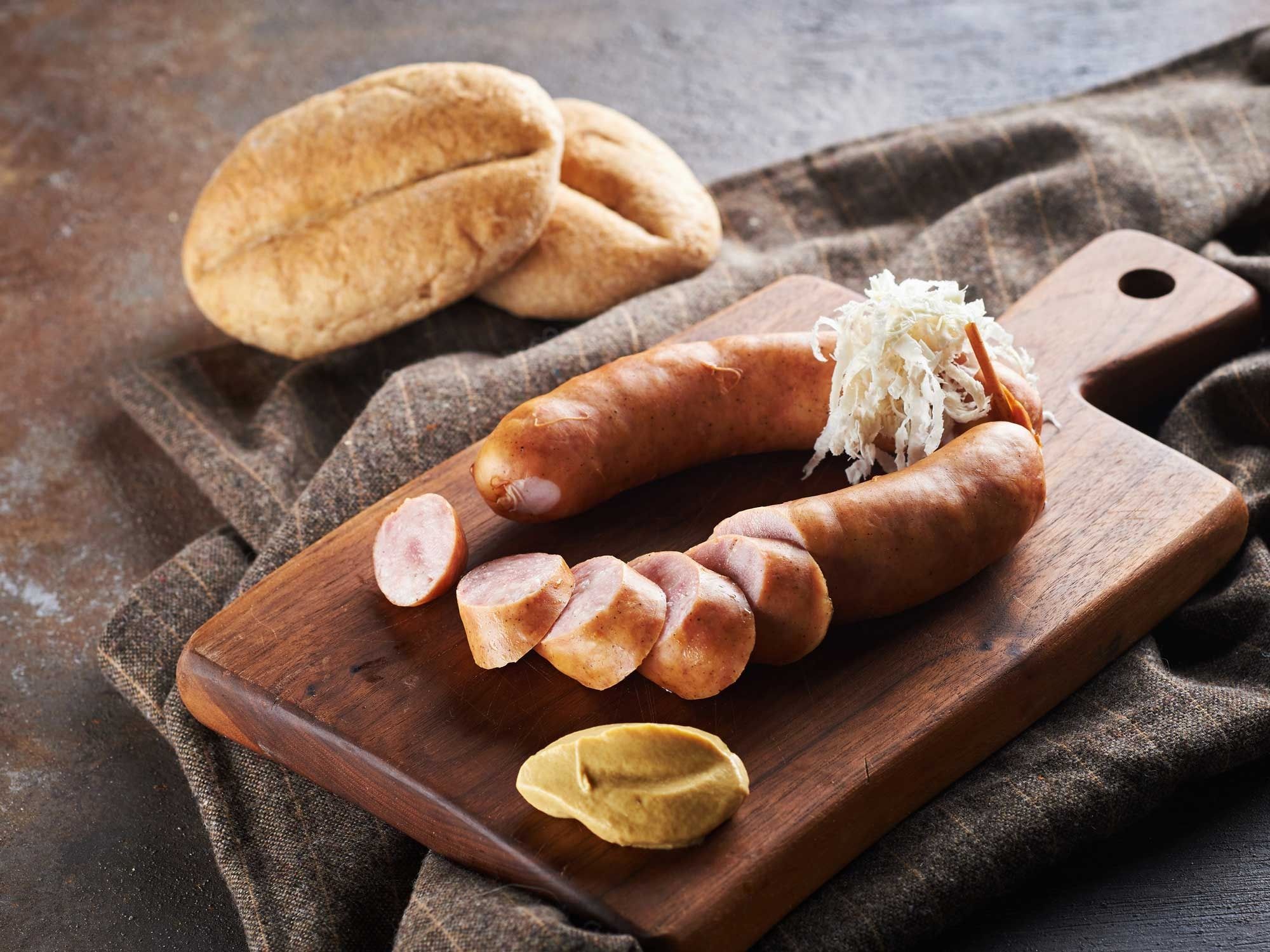
At the top of Alpine Slovenia cuisine are its most typical dishes: the Carniolan sausage, made according to a centuries-old recipe, žganci, and naturally fermented cabbage, also known as sauerkraut, and turnip. The last two are an important part of winter feasts and everyday meals. They are used as a side dish or an ingredient in the main dish. Žganci, made from buckwheat or corn flour, can also be made into a side dish or a main dish, and used to be a constant on the tables of locals. A quote from the 19th century even says that “žganci is the foundation of Carniola”.
A typical food from the Alpine region is trout. Marble or brown, caught in rivers or lakes, grilled or fried, trout is always a true culinary delicacy. The drink that made it to the top of the pyramid is the Gorenjski tepkovec, with protected geographical indication. Gorenjski tepkovec is a flavourful homemade brandy, a distillate made from heirloom tepka pears.
Where fish are the bounty of the sea and “pršut” ham is cured in the “burja” wind
In the Mediterranean region, the Piran salt and fleur-de-sel are harvested from the sea by hand. In the traditional salt marshes on the Slovenian coast, the salt workers steal the salt from the sea in exactly the same way as 700 years ago. The salt is not ground or refined, and in general it is richer in minerals than other types of salt.
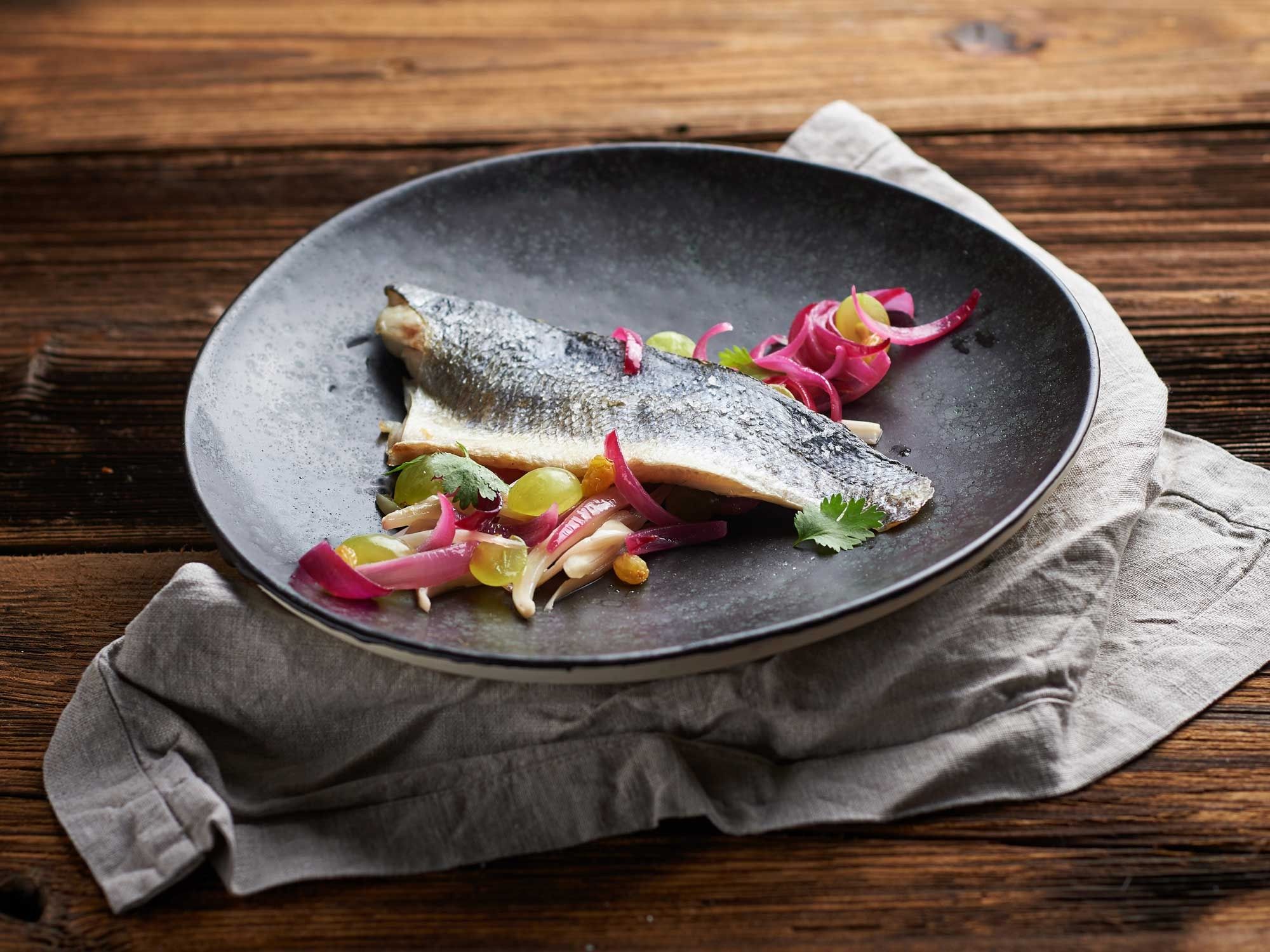
The typical regional dish is the Piran sea bass, paired with the typical drink, Rebula white wine. The sea bass are farmed in the Bay of Piran according to the highest dietary standards and using the best expert knowledge, and have been given a place of honour in several excellent restaurant kitchens, not just in Slovenia, but also abroad. The Rebula wine grape had almost been forgotten when the wine growers from Goriška Brda raised it up, and crowned it as the queen of their vineyards. Every year, they organise an international event, “Brda, Home of Rebula”, in its honour. The wines from the Rebula and Furmint grapes have won the highest number of Slovenian platinum and gold awards, as well as regional and international awards at that most important wine tasting event in the world, the Decanter World Wine Awards (DWWA).
Where north, south, east, and west meet to create something completely new
This is the area where all the regions of Slovenia meet, and where their tastes intertwine in completely new combinations and unique dishes. The typical representative of this region is the buckwheat porridge. Once considered as food of the farmers, it has now become one of the most sought-after foods. It has great nutritional value, and is perfect for people avoiding gluten, which is why it can often be found on the plates of those who want to eat good, healthy food.
The walnut potica, a symbol of Slovenian cuisine, has been selected as the typical dish of this region, and beer as its typical drink. The potica is a unique Slovenian dessert, currently in the process of getting the “traditional specialities guaranteed” EU designation, and the most popular and widespread is the walnut variety. This region has been home to beer and beer brewers for centuries, thanks to the abundance of fresh water and the hop plantations of Slovenian autochthonous hop varieties.
Where grains grow among the hot springs and their healthy waters
The star of the Thermal Pannonian region in the East of Slovenia is the Štajersko Prekmursko bučno olje (pumpkin seed oil), which has been registered in the EU register of agricultural products with protected geographical indication. This dark green oil of exceptional taste is a constant in the regional cuisine, and can even be found in desserts.
The typical drink for this region is natural mineral water, which springs abundantly from the depths of the earth, and the typical dish are the flat breads from North-eastern Slovenia. Several varieties of wheat growing in the large fields in this part of Slovenia are made into flour, and then transformed into flat breads, gibanice, yeast breads, postržjače, zljevanke, and other dough-based dishes. The best known is Prekmurska gibanica, a traditional dessert which hides a richness of flavours, and is made from ingredients grown in all seasons.